New issue of the magazine Vrhbosnensia 30, 1 (2026)
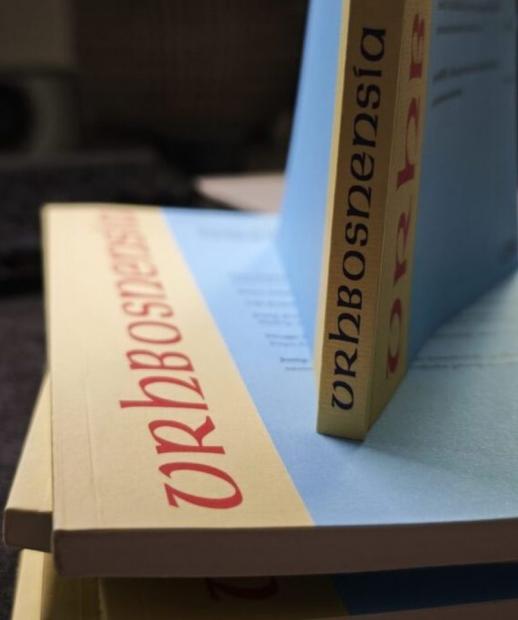


The first issue of the magazine Vrhbosnensia was published in 2026, a scientific magazine of the Catholic Theological Faculty of the University of Sarajevo dedicated to theological and interreligious issues. The new edition brings together authors and topics that, starting from the rich Christian tradition, directly touch on issues important to faith, the Church and the modern world.
The year in which the 1700th anniversary of the Council of Nicaea is celebrated gives this number a special emphasis. Several contributions return to that turning point in church history and examine why Nicaea still has something to say to believers and theologians today. Questions about the development of dogma, the language used to express faith and the responsibility of transmitting the Christian tradition in new cultural circumstances show that the parliamentary heritage is not only a precious memory of the past, but a living source of reflection for the present.
In the magazine, readers will also find works that connect biblical theology with ancient literature, pause before the drama of suffering and God's silence in the Book of Job, and consider the relationship between human knowledge, reason and faith. Such a variety of topics reveals the breadth of theological research and its ability to talk with other scientific areas, but also with questions that permanently accompany human life.
The new issue also includes reviews of recent books and church documents, as well as reviews of current affairs from the life of the local Church. The presentation of the document of the Archdiocesan Synod of Vrhbosna, Statements and Decisions, stands out. Its publication marks an important moment for the pastoral direction and legal life of the Archdiocese of Vrhbosna, and at the same time calls for serious reading and responsible implementation of the synod's directives.
Vrhbosnensia is therefore intended for students and teachers of theology, priests, religious men and women, but also for anyone who wants to think about faith, the Church and the challenges of the time in which we live with more understanding. The new edition calls for reading, dialogue and deepening of questions which, although formed in a long tradition, remain permanently relevant.
We wish everyone a pleasant, stimulating and fruitful reading.
Ilija Marković, editor-in-chief