Book Promotion Held for "Traces of Destruction: Destroyed and Damaged Mosques in the Bosanska Krajina Region 1992–1995 and Their Reconstruction"
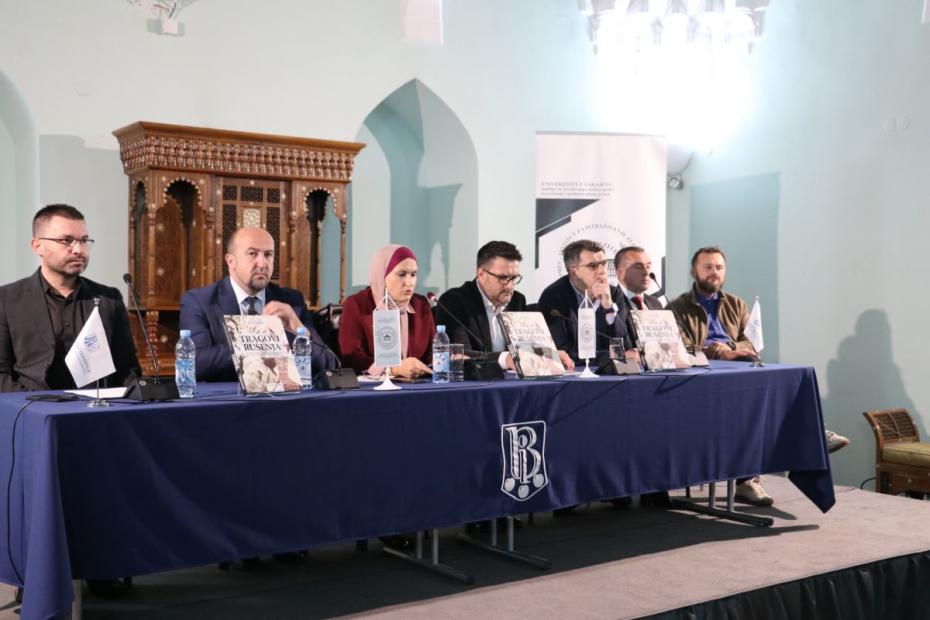


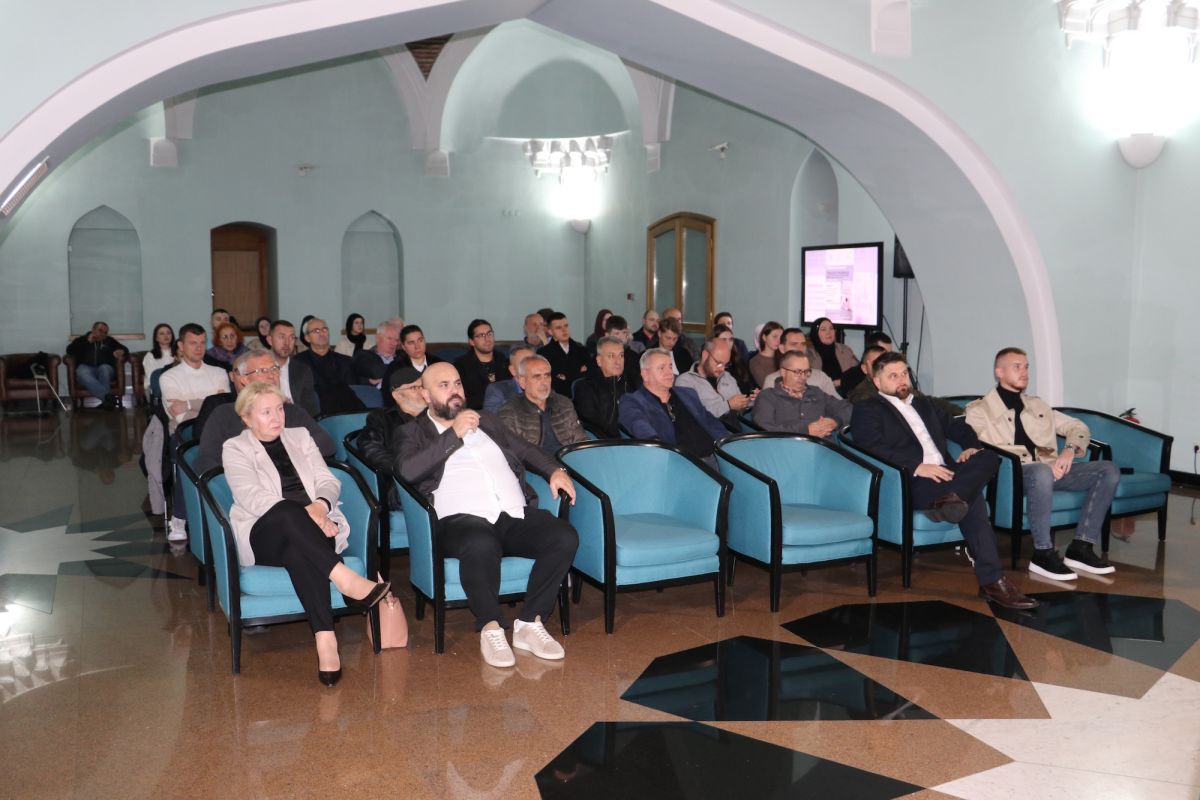
On Thursday, 22 October 2026, the promotion of the book "Traces of Destruction: Destroyed and Damaged Mosques in the Bosanska Krajina Region 1992–1995 and Their Reconstruction" was held at the Gazi Husrev-beg's Hamam – Bosniak Institute – Adil Zulfikarpašić Foundation in Sarajevo. The authors of the book are Prof. Dr. Mujo Begić and Davor Midžić, and it was published by the University of Sarajevo – Institute for Research of Crimes Against Humanity and International Law.
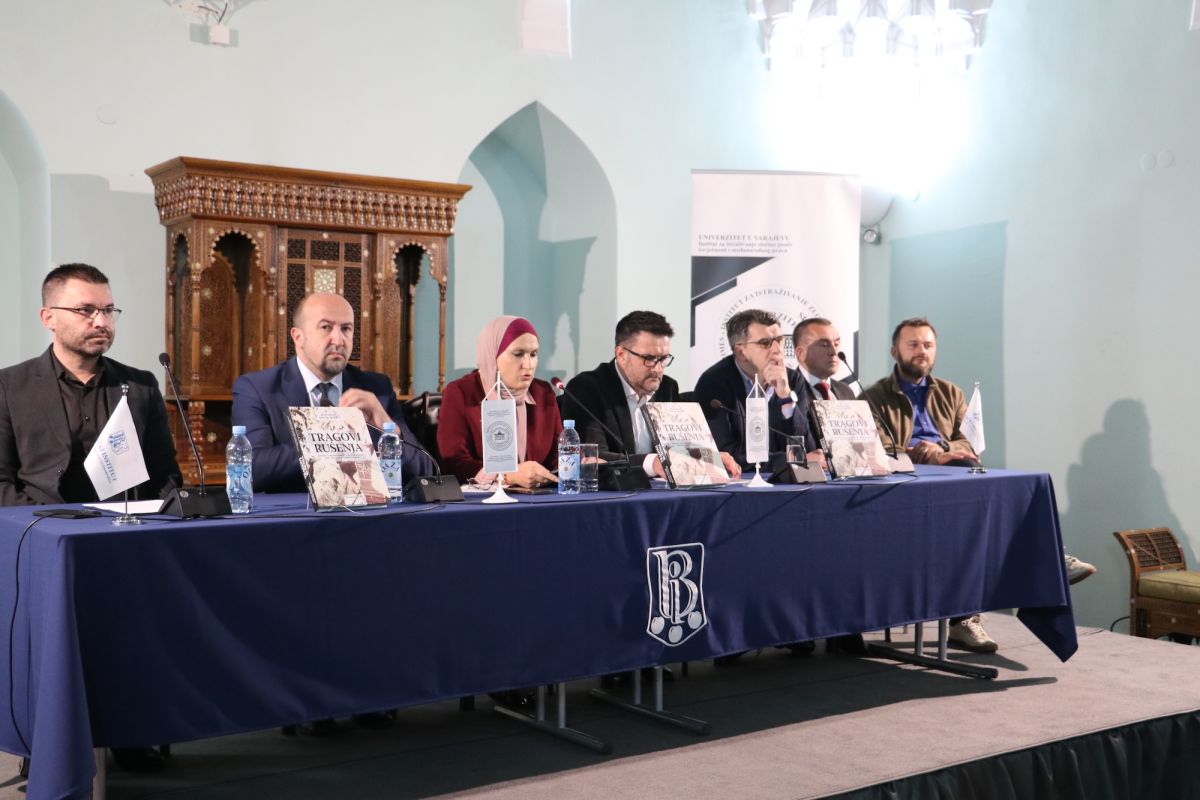
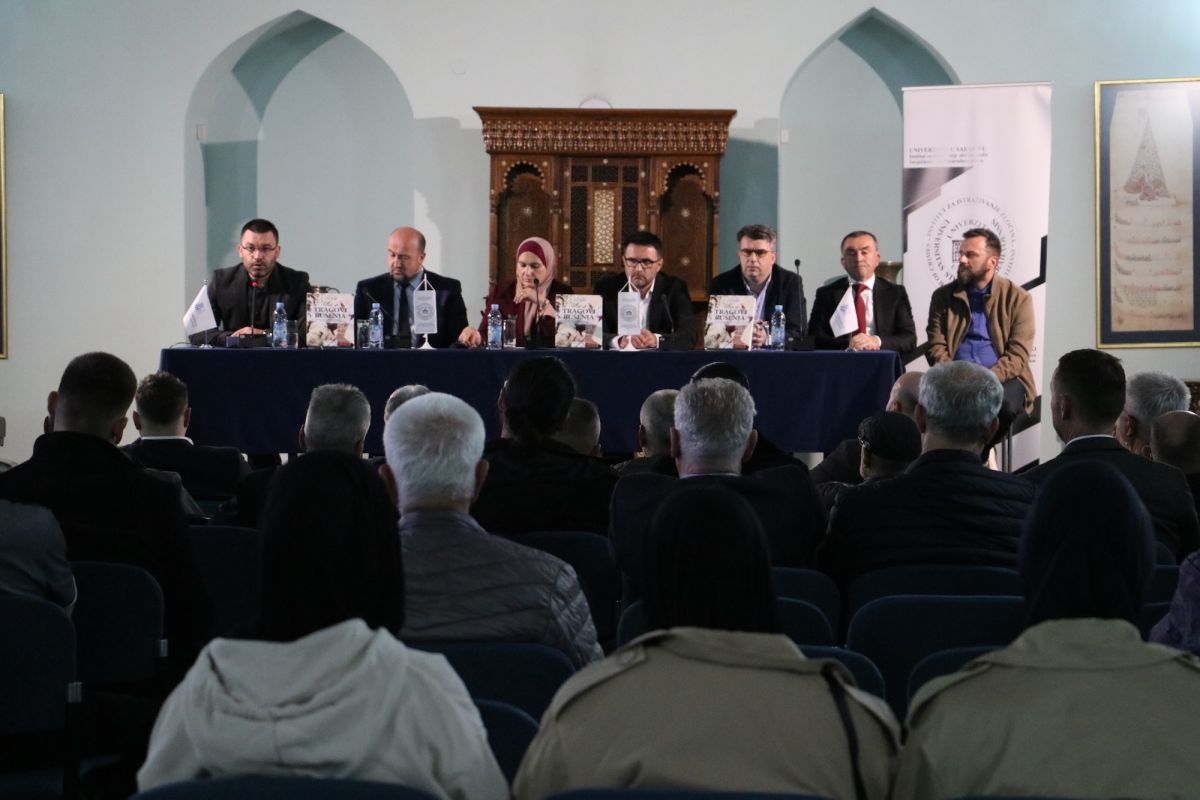
Speakers at the event included Dr. Muamer Džananović, Director of the Institute; Mr. Muhamed Jusić, Director of the Directorate for Foreign Affairs and Diaspora of the Rijaset of the Islamic Community in Bosnia and Herzegovina; Prof. Dr. Amir Duranović, Professor at the Faculty of Philosophy of the University of Sarajevo; and Dr. Jasmin Medić, Senior Research Associate at the University of Sarajevo – Institute of History. The promotion was moderated by Dr. Medina Mehmedović-Mulalić.
The promoters highlighted the significance of the book as a scientifically grounded and documentarily valuable work that systematically addresses the extent of the destruction of Islamic religious and cultural heritage in the Bosanska Krajina region. Special emphasis was placed on the authors' research methodology, based on linking archival materials, testimonies, court documentation, relevant literature, years of field research, and extensive photographic documentation. This approach made it possible to view the destruction of individual buildings not in isolation, but within the broader context of the persecution of the population, mass crimes, and efforts to remove traces of the centuries-long presence of Bosniaks in those areas.
The book "Traces of Destruction" is the result of years of systematic, empirically based research into the destruction and damage of mosques and other facilities of the Islamic Community in the Bosanska Krajina region during the aggression against the Republic of Bosnia and Herzegovina from 1992 to the end of 1995, as well as the process of their post-war reconstruction.
According to the research results presented in the book, of the total of 248 mosques located in the Bosanska Krajina region in 1992, 208, or 83.7 percent, were either completely destroyed or damaged to a greater or lesser extent. The destruction or damage of 38 prayer halls (mesdžids) was also recorded. These figures testify not only to the scale of material destruction but also to the systematic eradication of the cultural, historical, and religious heritage of Bosniaks.
During the promotion, special attention was drawn to the connection between violence against people and the destruction of the spaces in which they had lived for generations. The demolition of mosques, the removal of their remains, the alteration of site appearances, and, in some cases, the repurposing of spaces were examined within the context of broader processes of persecution and efforts to erase recognizable traces of the former life and presence of a community.
At the same time, it was emphasized that the reconstruction of religious buildings does not in itself mean the removal of the consequences of persecution and wartime destruction. Rebuilt mosques cannot bring back the people who were killed, the dispersed families, the lost social ties, or the former demographic structure of many towns in the Krajina region. Three decades after the end of the war, the consequences are still visible in the reduced population, the incomplete process of return, and the fact that in many areas significantly fewer people live today than before 1992. It is precisely the relationship between the restored physical space and the permanently changed community that represents one of the important topics this book opens up for future research.
On behalf of the authors, Prof. Dr. Mujo Begić addressed those present, speaking about the creation of the book, the years of research work, and the need to systematically document and preserve the facts about the destruction of mosques and other facilities of the Islamic Community. He pointed out the importance of field research and the collection of documentation, as well as the need to preserve materials that will enable further research into the crimes and their long-term consequences.
The promotion was organized by the University of Sarajevo – Institute for Research of Crimes Against Humanity and International Law, the Bosniak Institute – Adil Zulfikarpašić Foundation, and the Directorate for Foreign Affairs and Diaspora of the Rijaset of the Islamic Community in Bosnia and Herzegovina.