Research Recently Presented at the United Nations Headquarters Too | Repositioning Citizens at the Center of Peace and Political Progress
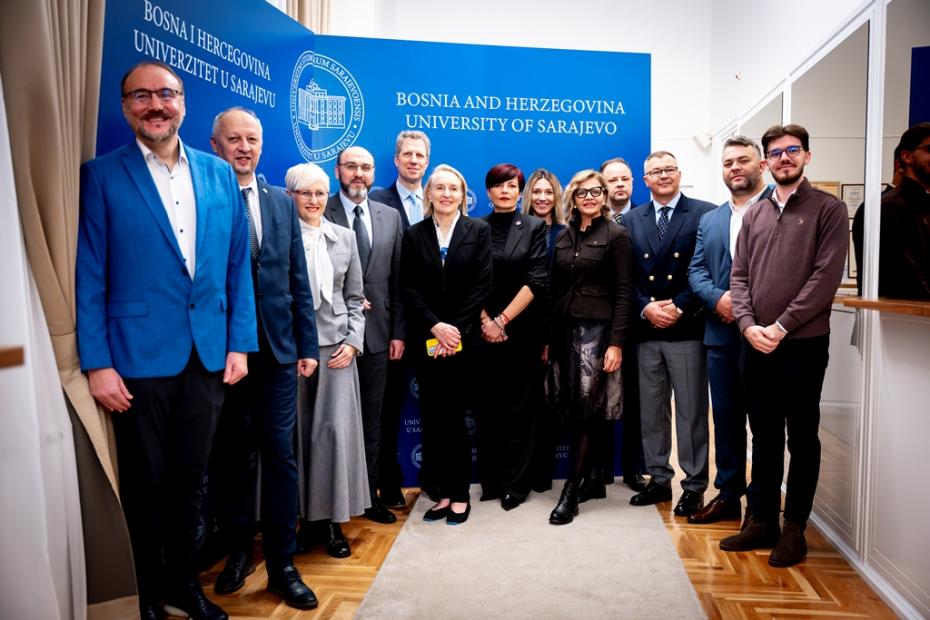


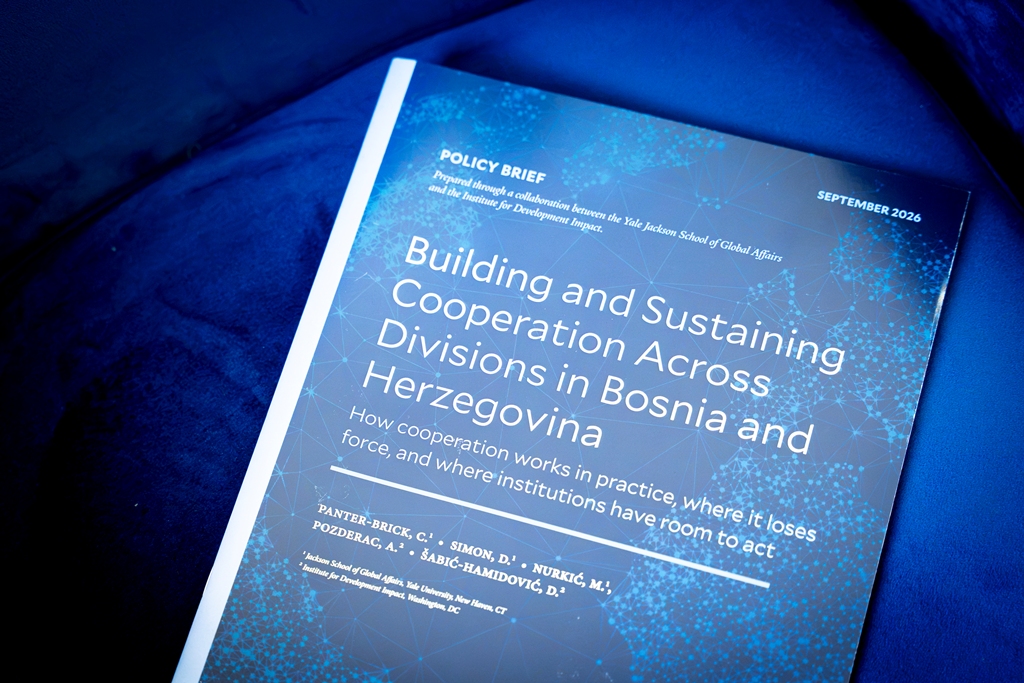
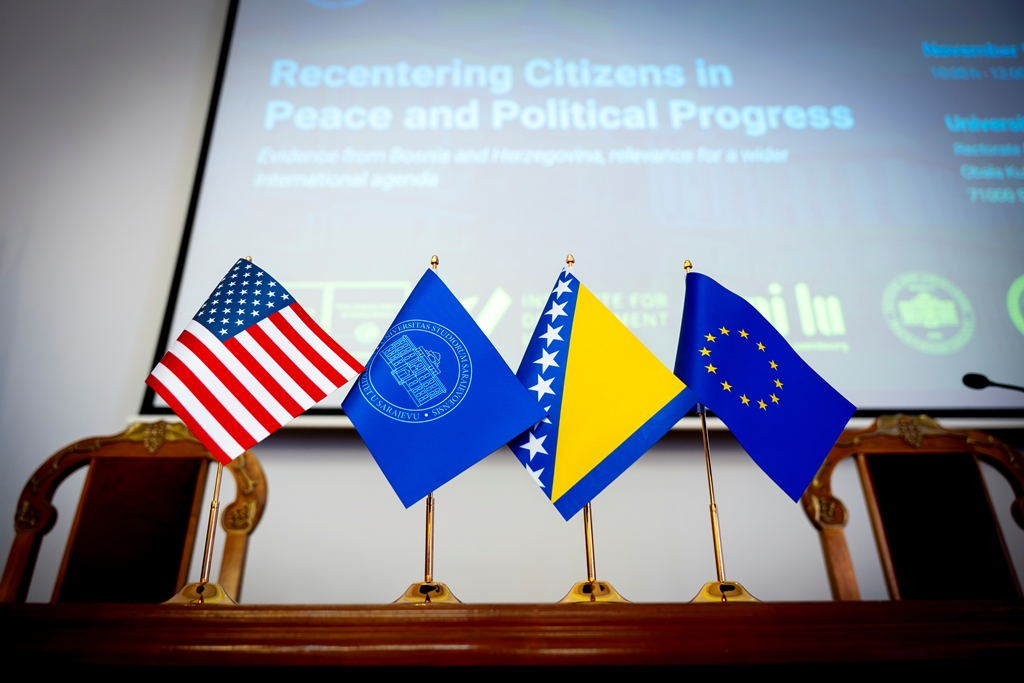
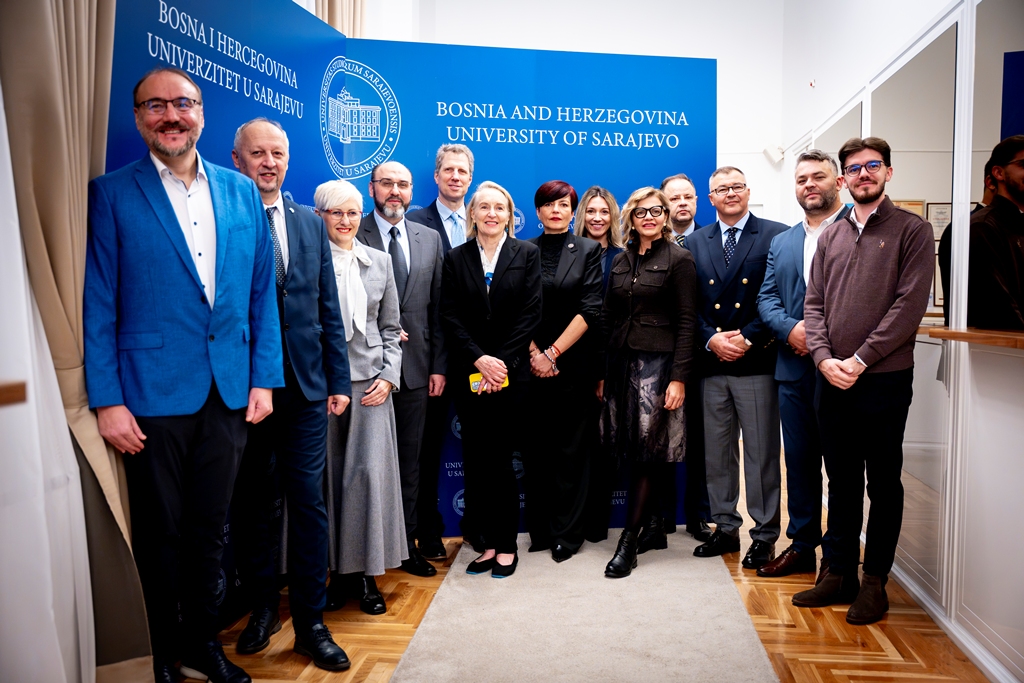
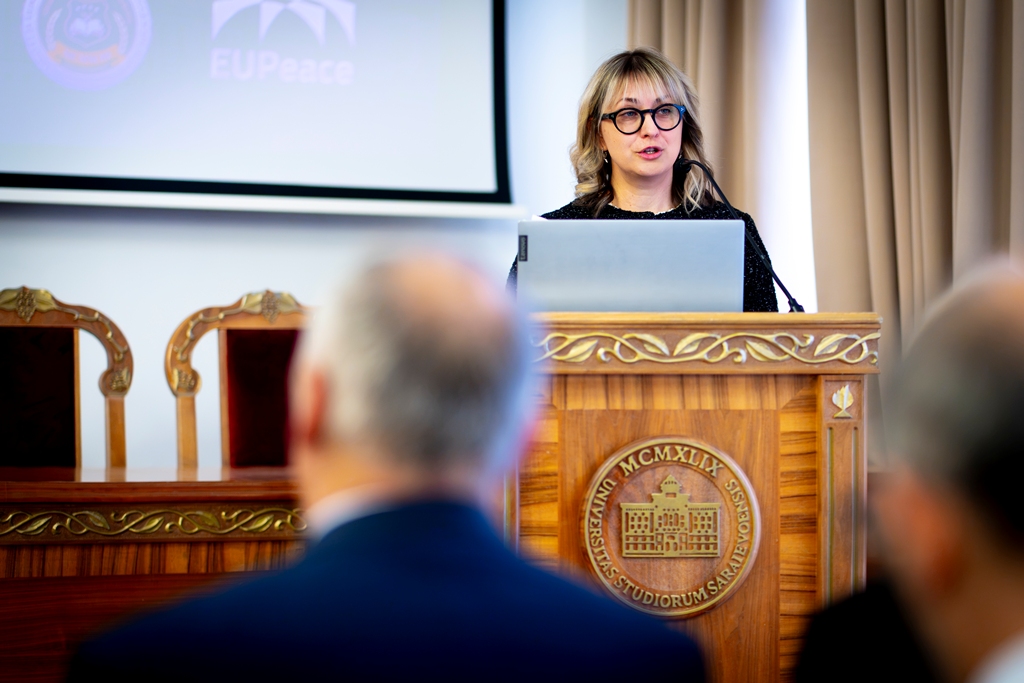
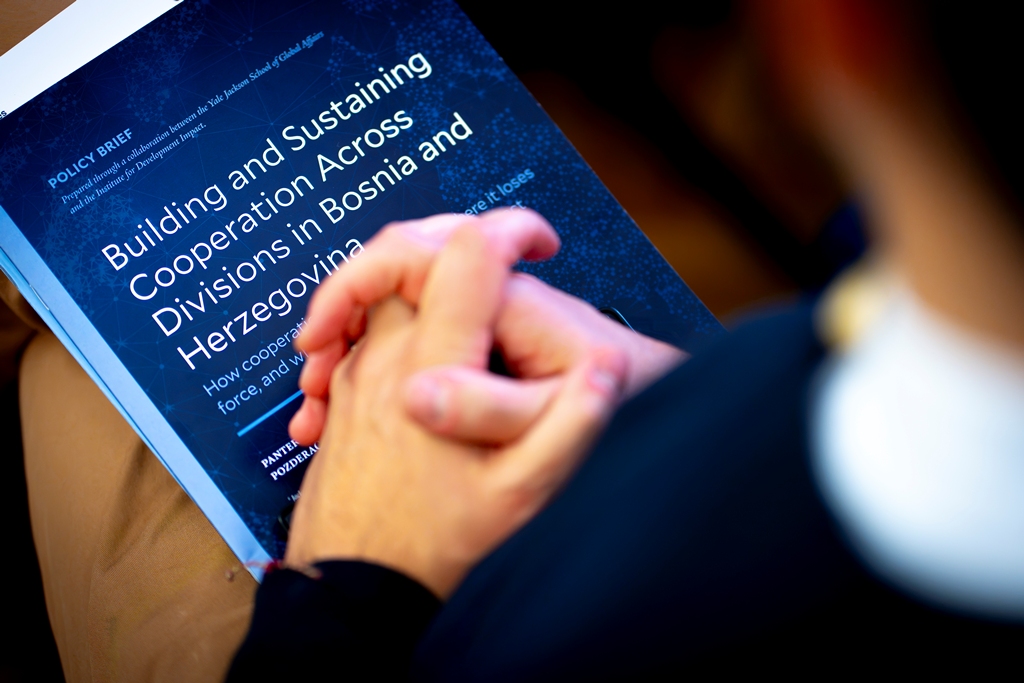
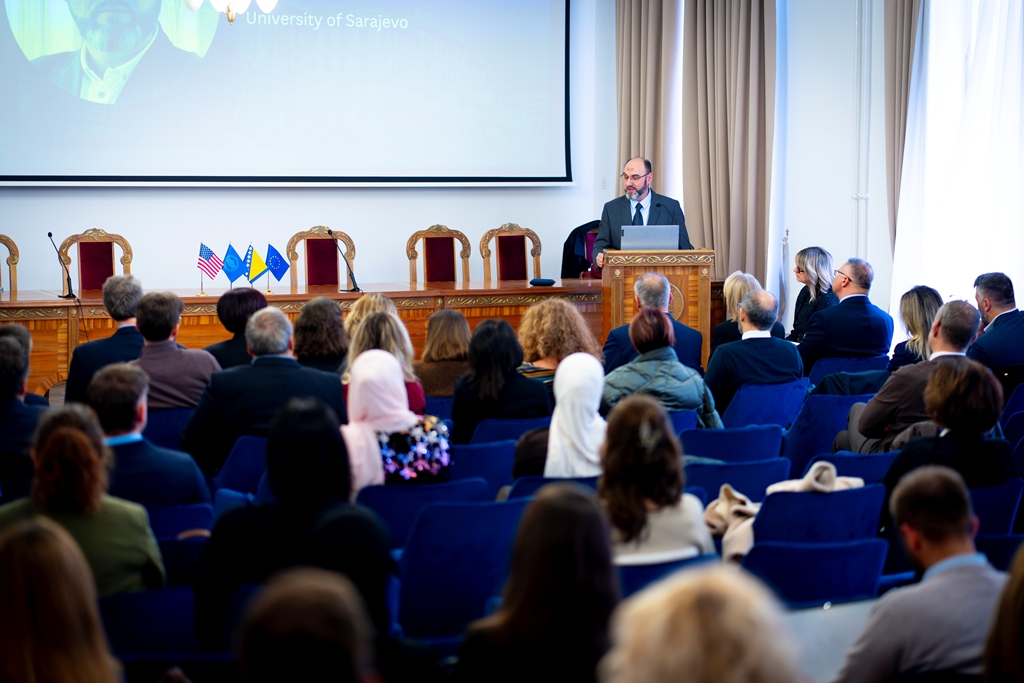
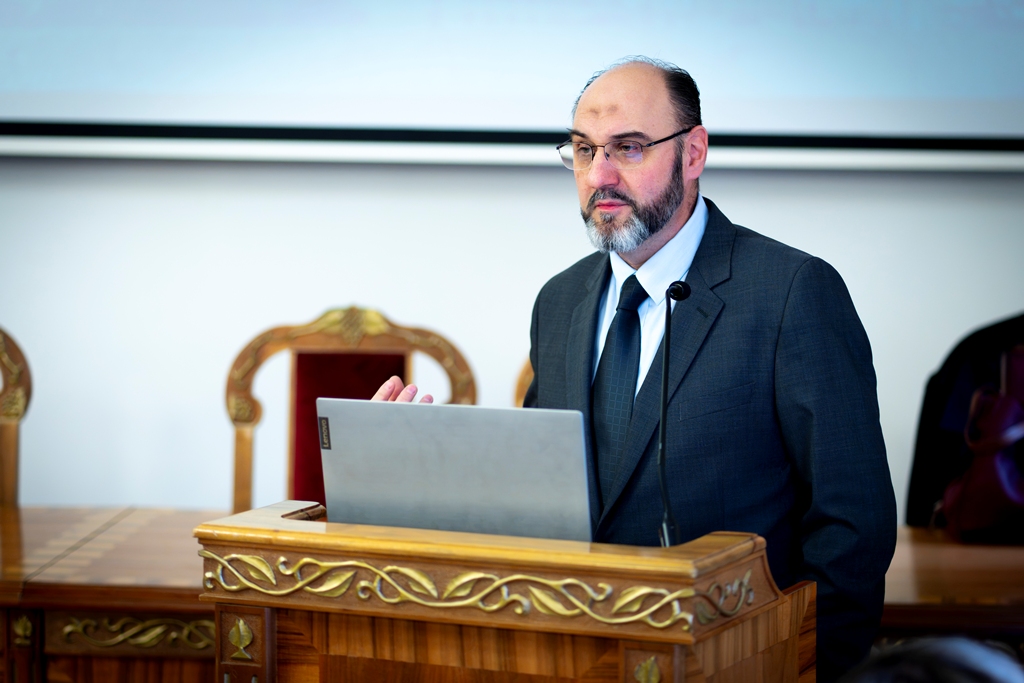
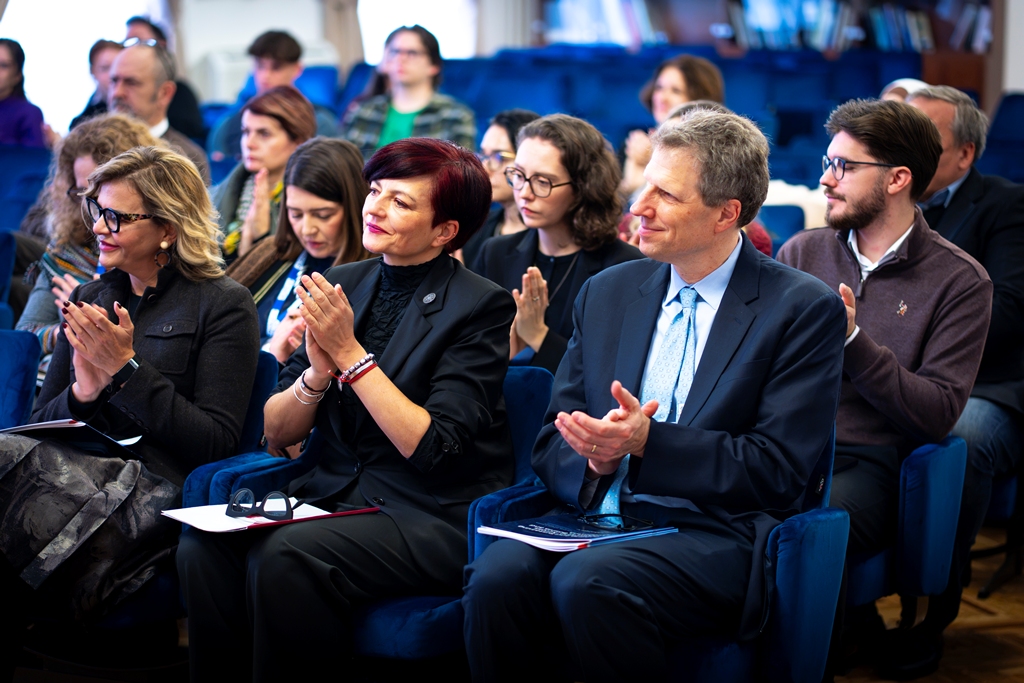
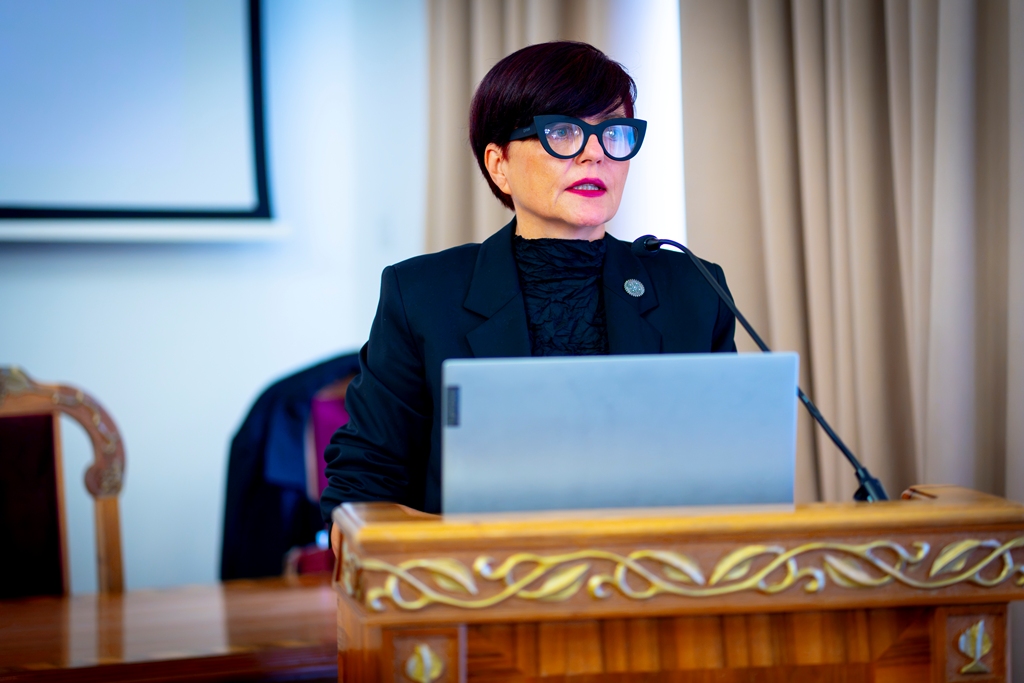
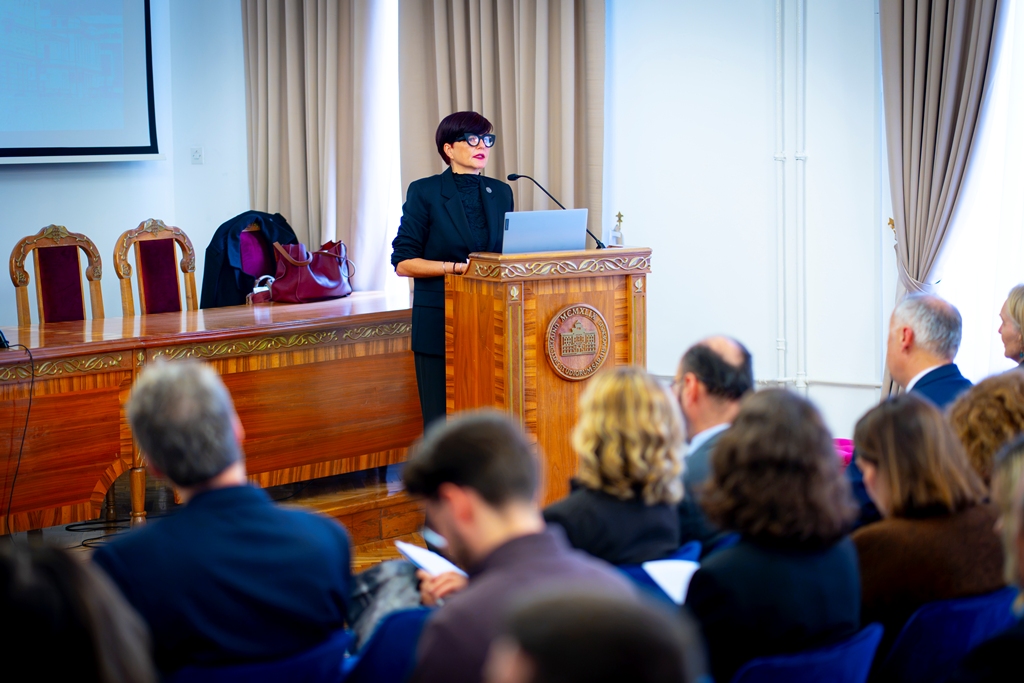
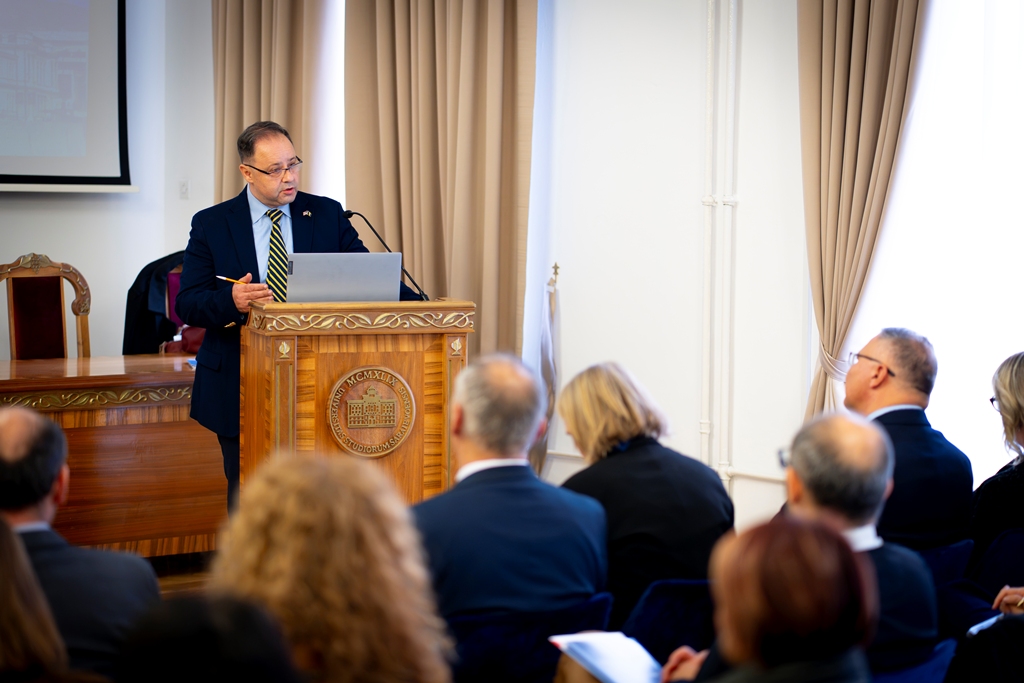
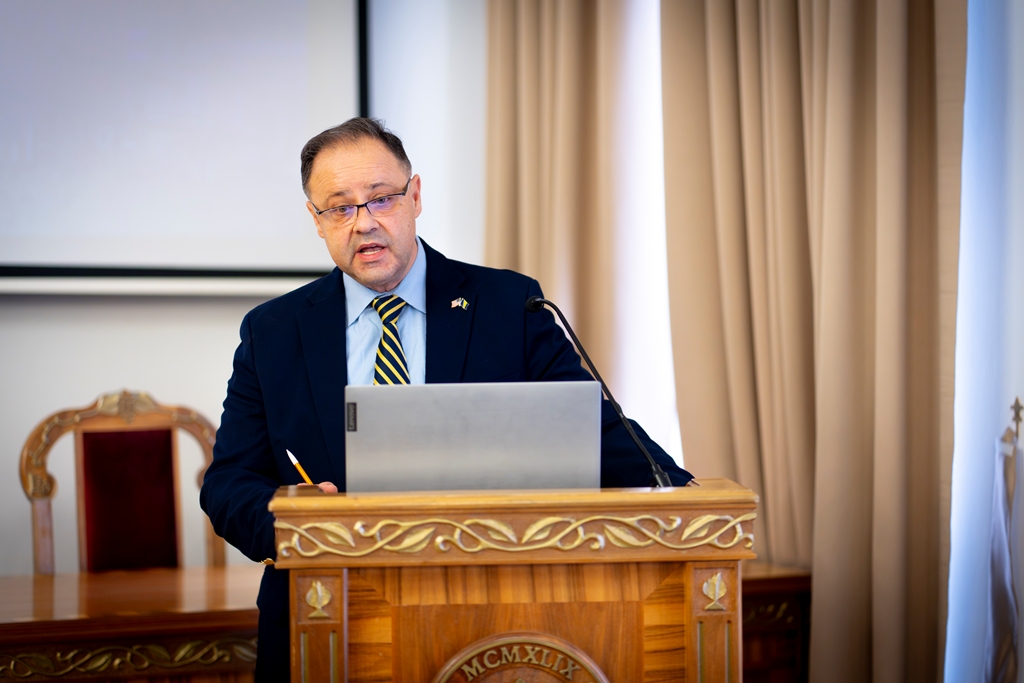
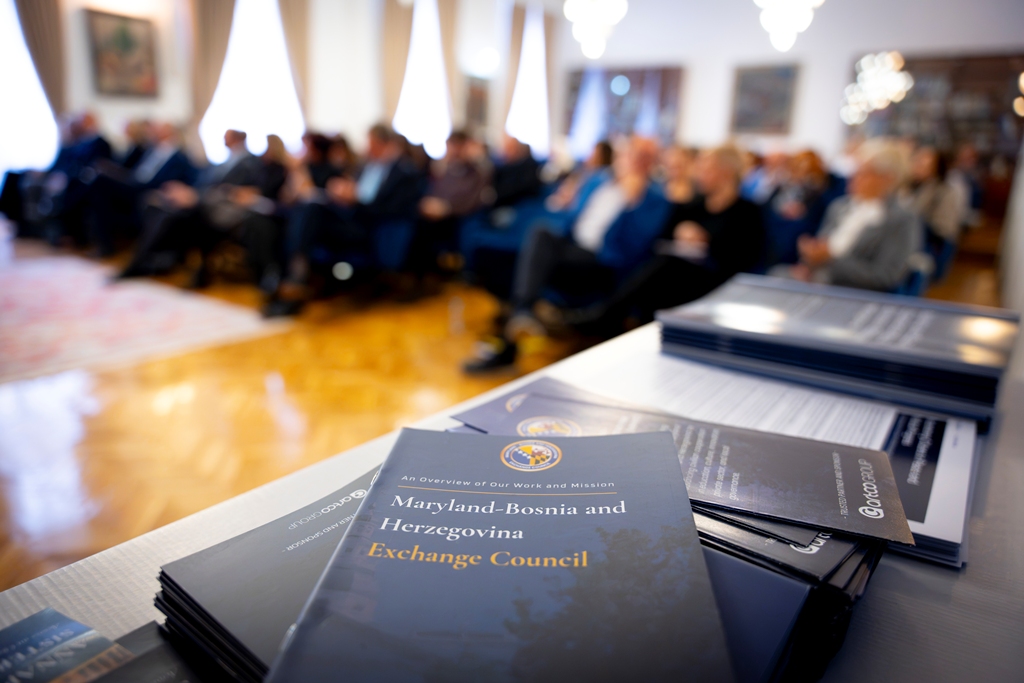
(Sarajevo, 09 November 2026) After the research "Repositioning Citizens at the Center of Peace and Political Progress" was presented at the UN in late October, the same publication was officially presented today at the Rectorate of the University of Sarajevo as well. Through panel discussions, the University of Sarajevo and the United States–Bosnia and Herzegovina Exchange Council, in cooperation with the Faculty of Law and the Faculty of Criminalistics, Criminology and Security Studies of the University of Sarajevo, presented research findings based on citizens' attitudes and cross-divide cooperation in Bosnia and Herzegovina, and their significance for inclusive, nationally owned peacebuilding in divided and post-conflict societies.
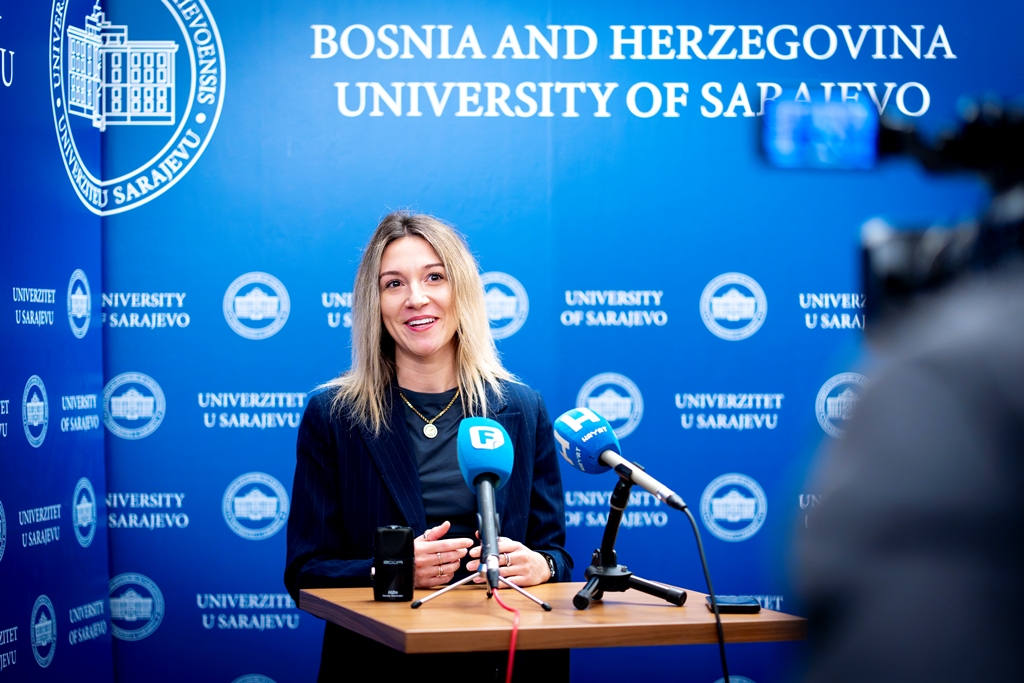
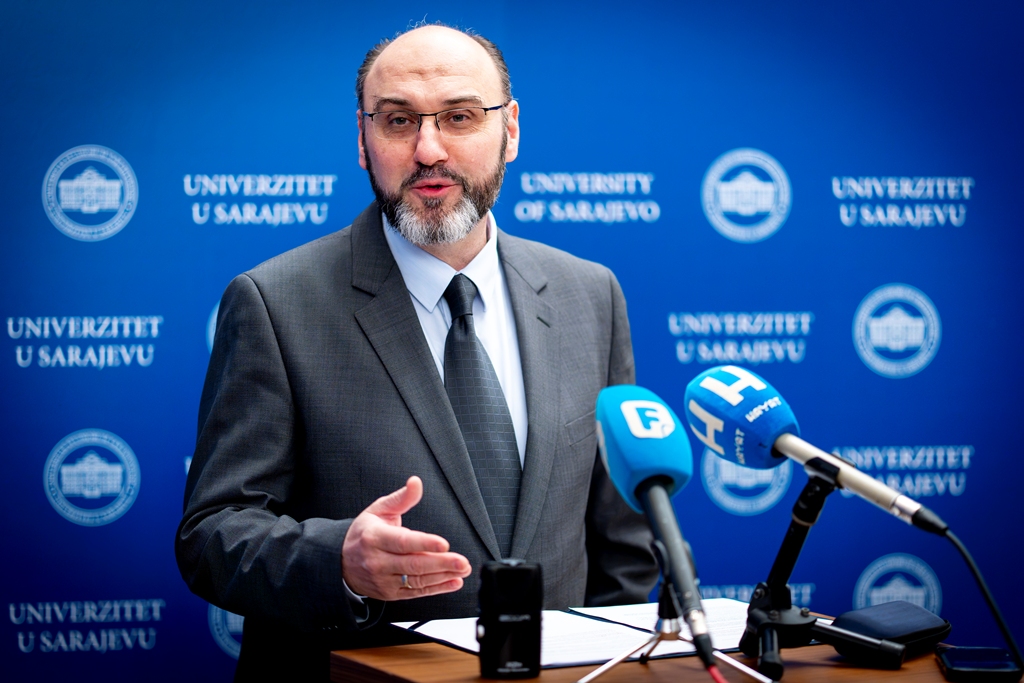
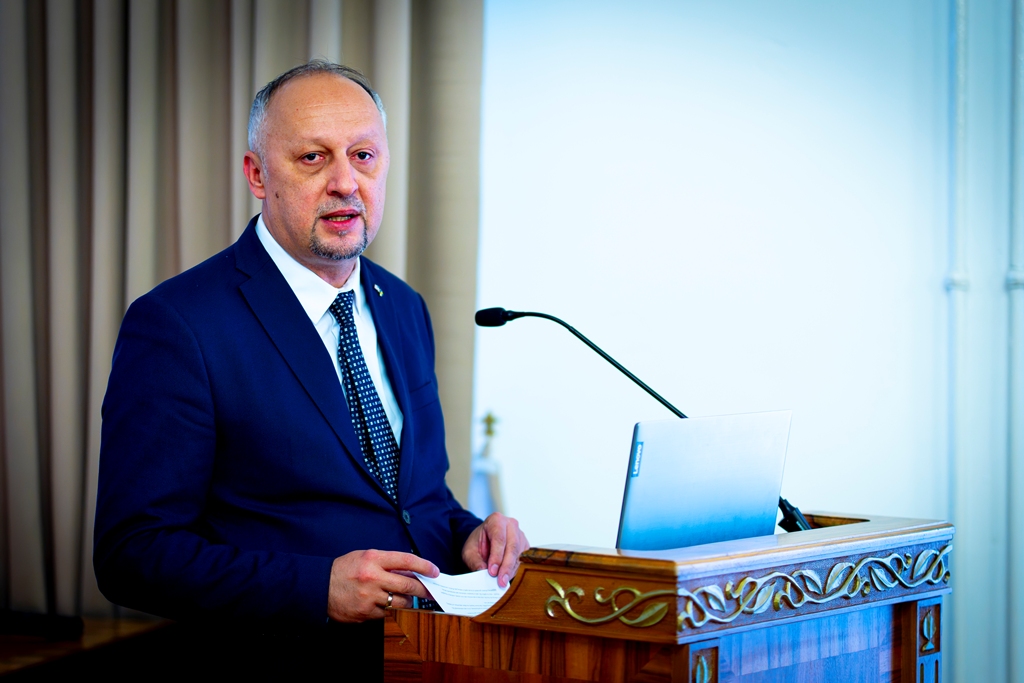
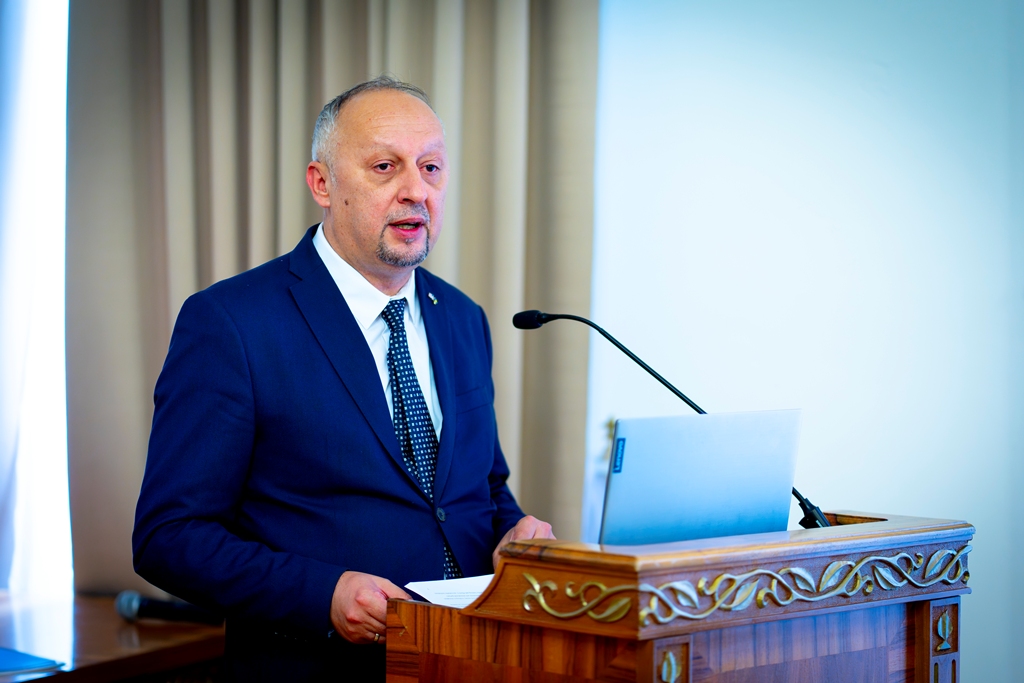
"The University of Sarajevo continues with particular pleasure the dialogue begun at the United Nations headquarters in New York, where significant research findings of Yale and Luxembourg universities were presented, together with the Student Declaration on Peace, an initiative of our students developed through the European university alliance EUPeace. These studies confirm that, despite existing political and social divisions, the citizens of Bosnia and Herzegovina share important values and expectations regarding peace, equal rights and accountable institutions. We are especially proud that the Student Declaration on Peace, launched at the University of Sarajevo, received broad international support and was presented at the United Nations as an example of young people's active contribution to peacebuilding. We believe that the responsibility of universities is not only to educate competent experts but also responsible citizens, and that it is precisely through their third mission that universities must actively contribute to building a just, peaceful and inclusive society. Our goal is to turn scholarly knowledge, international academic cooperation and student initiatives into concrete activities that strengthen mutual trust, connect communities and create the foundations of sustainable peace," emphasized Prof. Dr. Tarik Zaimović, Rector of the University of Sarajevo.
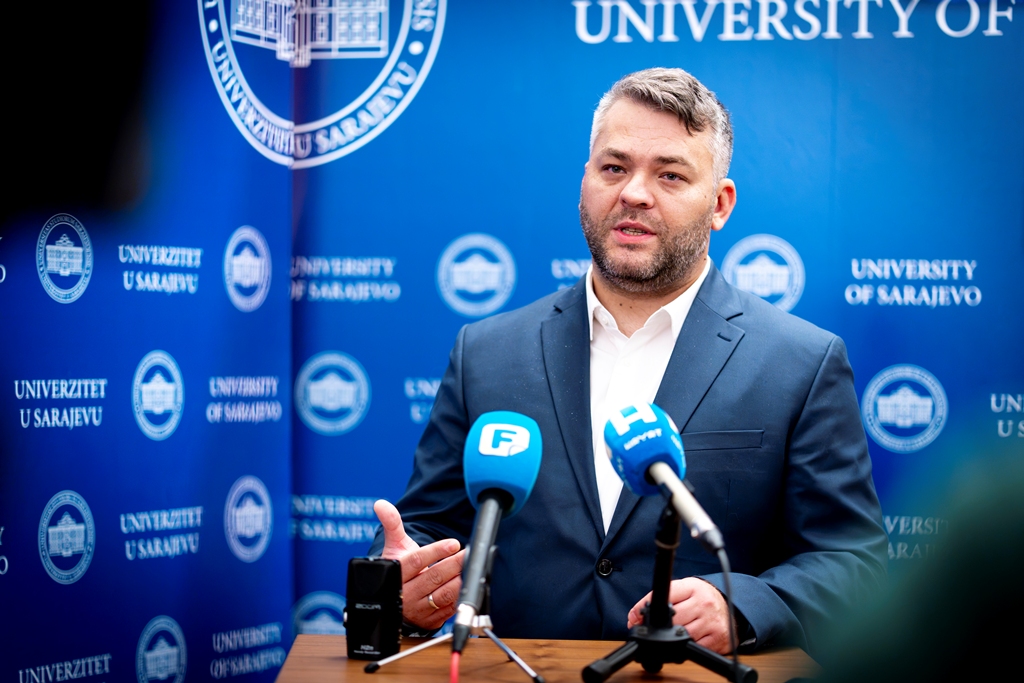
"These studies show that the citizens of Bosnia and Herzegovina have different views on the organization of political power, but many shared expectations of institutions. They want them to be accountable, impartial and to work in everyone's interest. The research also shows that cooperation across existing divisions already exists and that we can make it more lasting if we link it to institutions, clear accountability and citizens' needs," emphasized Azra Kačapor-Nurkić, general director of the Institute for Development Impact and co-founder and member of the supervisory board of the United States-Bosnia and Herzegovina Exchange Council.
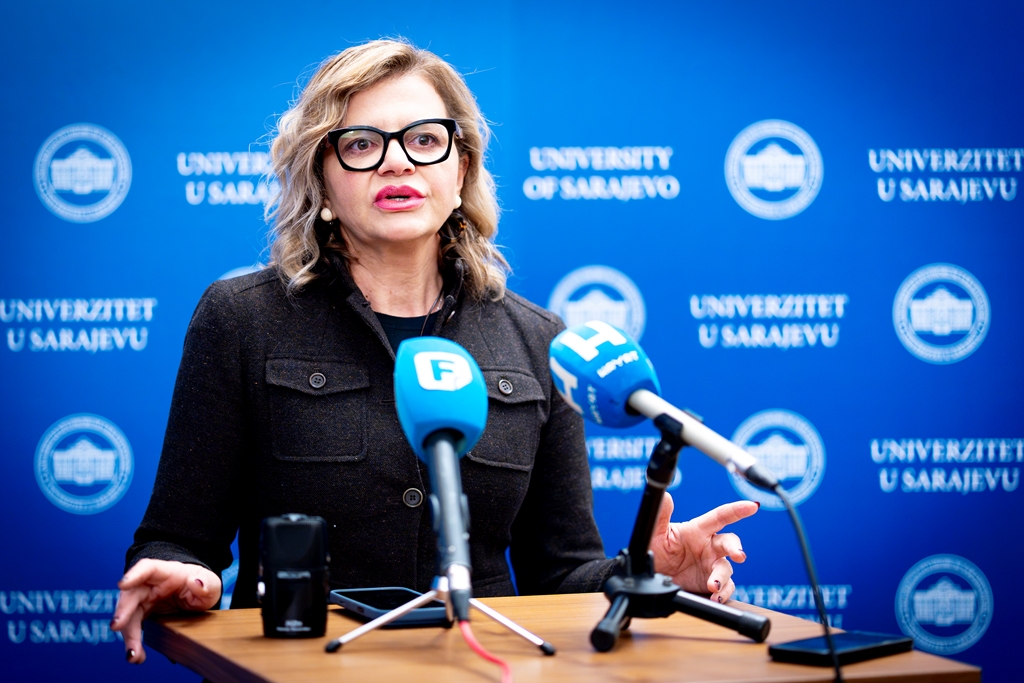
"Our work deals with the parameters of cooperation and institutional building in Bosnia and Herzegovina. I am interested in the paths by which the state and society can attempt to reconstitute themselves after conflict, regardless of how difficult but also necessary it is to take that step," emphasized David J. Simon, Director of the Genocide Studies Program at Yale University.
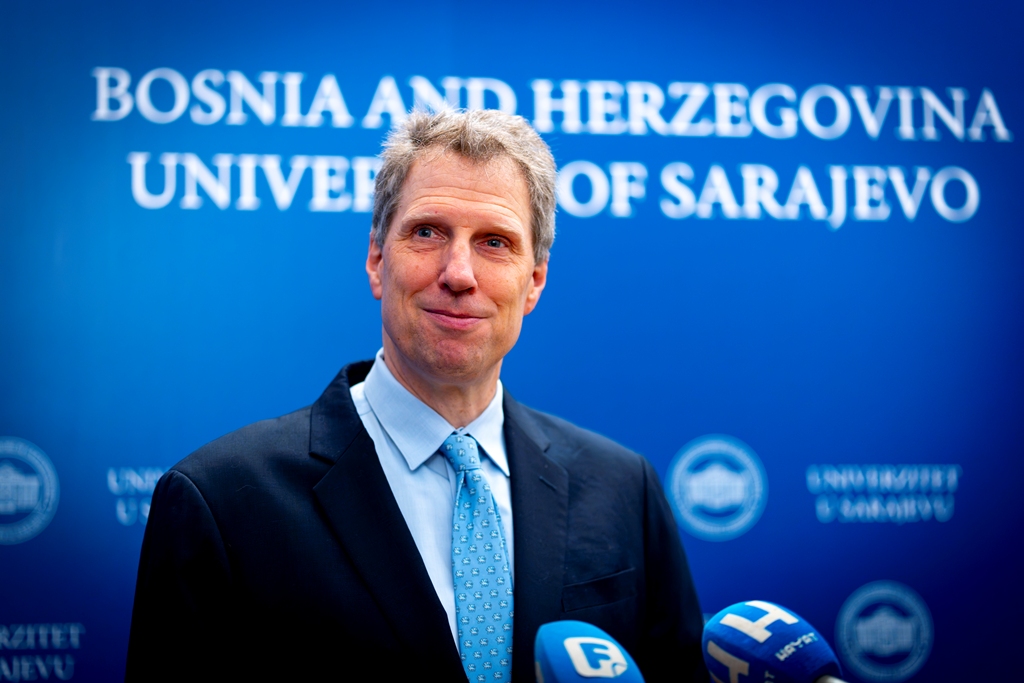
"The research conducted within the CONSENT BiH project of the University of Luxembourg shows that Bosniaks, Croats, Serbs and Others have surprisingly similar broader political attitudes and expectations of institutions, despite significant differences in views on the constitutional order and the distribution of political power. The results also call into question the assumption that ethnic communities hold uniform views on constitutional issues, revealing significant differences within the communities themselves and indicating that the possibilities for political compromise are more complex than is usually portrayed in political debates," emphasized Josip Glaurdić, full professor at the Faculty of Political Science, University of Luxembourg.
A survey conducted on more than 2,000 citizens across 18 constitutional questions showed that respondents across ethnic lines have remarkably similar attitudes on nationalism, populism, economic policy and even the war in Bosnia and Herzegovina. Peace and stability were their main constitutional priority, followed by equal rights, combating corruption, political accountability and economic development, all ahead of the rights of ethnic groups, and the independence of the judiciary ranks first among constitutional questions in every ethnic group.
The results show that more than thirty years after the Dayton Peace Agreement, citizens agree far more on how public institutions should function than on how political power should be organized, and that they more often cooperate across divides than political and public discourse suggests. Three out of four surveyed citizens want the judiciary and the prosecutor's office to be fully independent of political influence, an attitude shared by at least 72% of respondents in each ethnic group.
More on the activities of the Maryland-BiH Exchange Council at https://mdbih-council.org
Fotografije: Anes Asotić