The 35th Agriconference Held in Sarajevo: Knowledge and Cooperation for Sustainable Agri-Food Systems
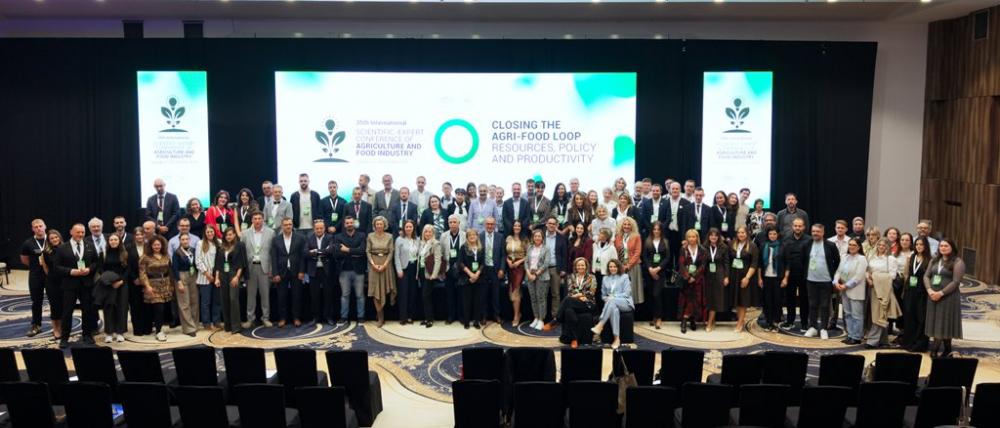


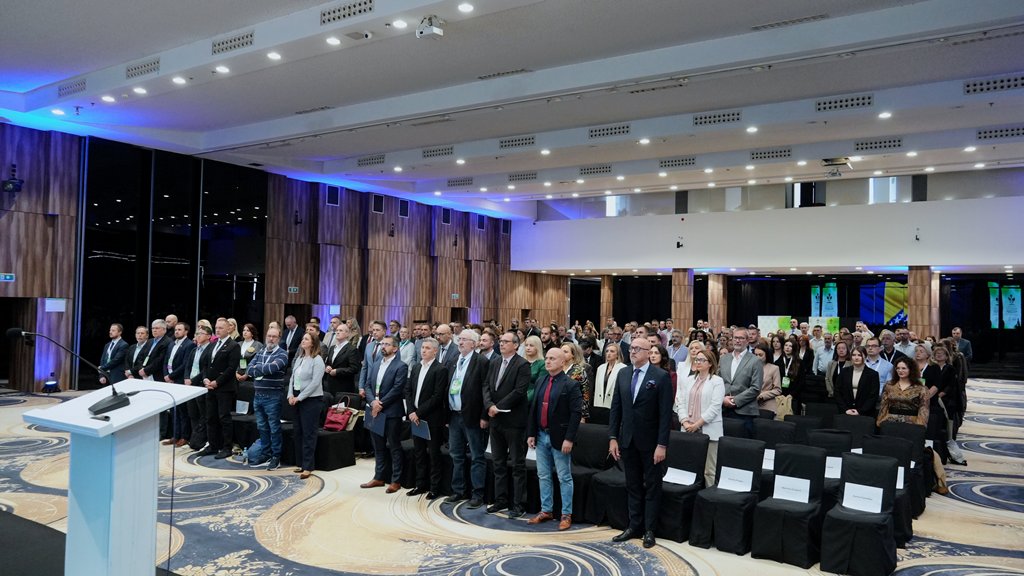
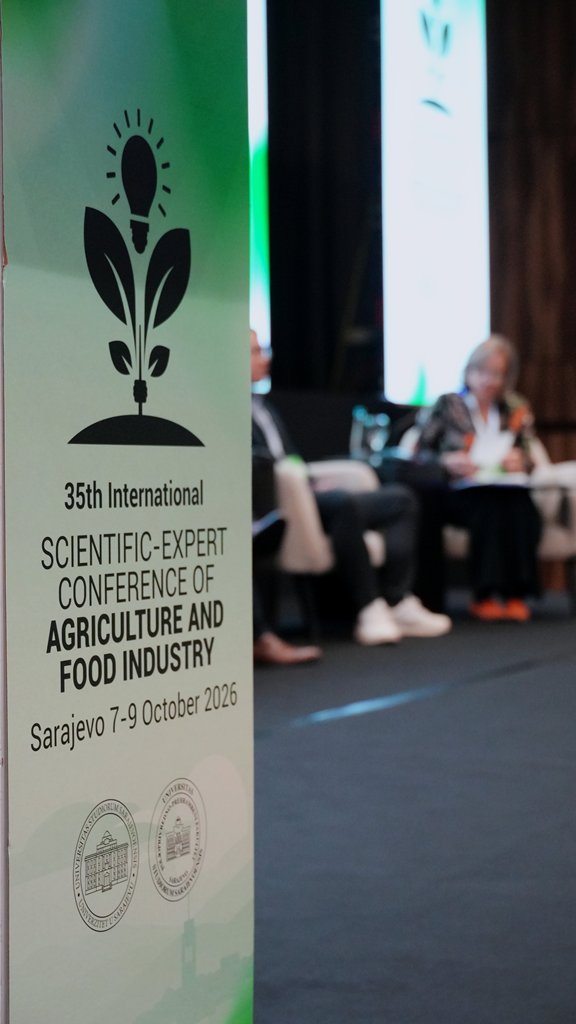
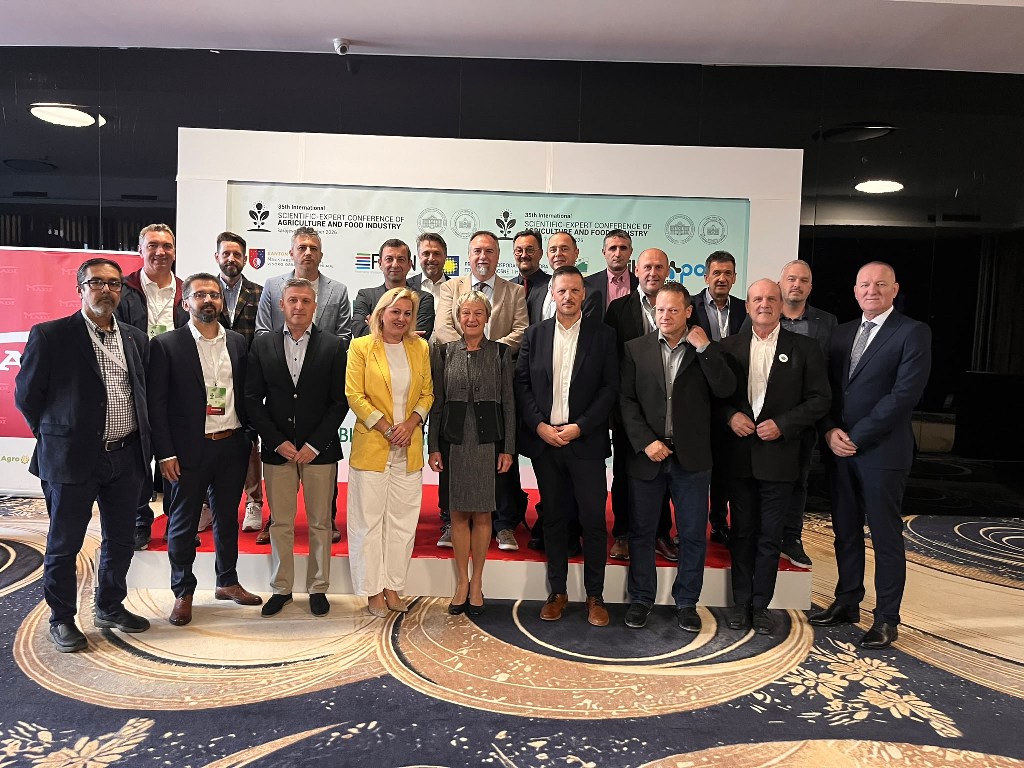
The 35th International Scientific and Professional Conference on Agriculture and the Food Industry – Agriconference 2026, was held from 7 to 9 October 2026 at the Hotel Hills in Ilidža, Sarajevo. Organized by the University of Sarajevo – Faculty of Agriculture and Food Sciences, this year's theme, "Closing the Agri-Food Loop: Resources, Policy and Productivity," connected issues of sustainable resource use, agricultural policies, and productivity, with an emphasis on applying scientific results in food production, processing, and consumption.
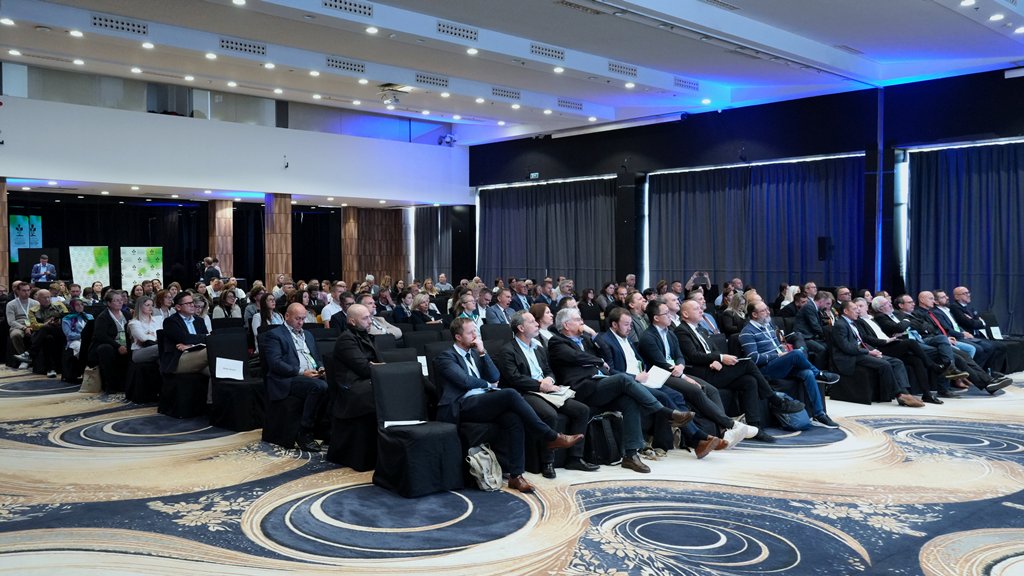
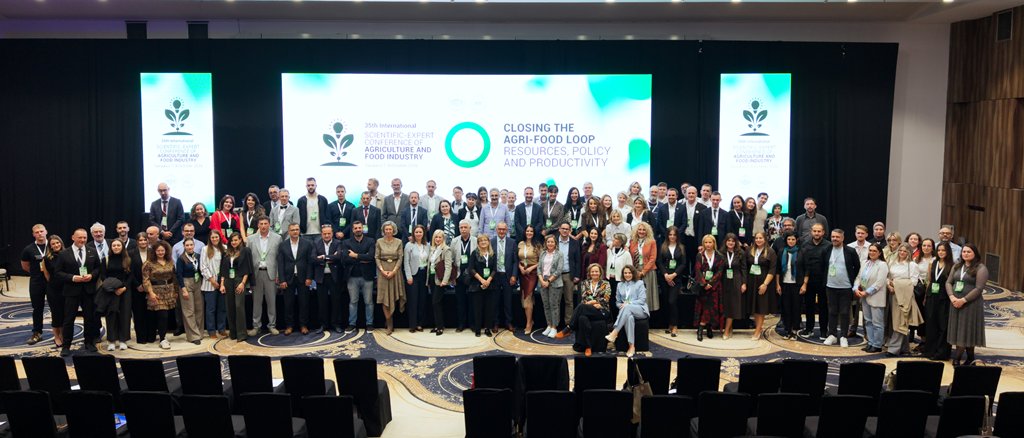
The conference gathered researchers, university professors, experts, and institutional representatives, providing a space for presenting research, exchanging experiences, and developing cooperation. A total of 132 registered participants from 29 institutions and eight countries were recorded: Bosnia and Herzegovina, Croatia, Serbia, North Macedonia, Poland, Slovenia, Spain, and Turkey. The international character of the event was further enriched by invited speakers, panelists, and guests from Brazil, Uruguay, Italy, Belgium, the United Kingdom, Germany, and Austria. Partners from the BAUHAUSBITES project from the United Kingdom, Portugal, Belgium, Italy, Norway, Slovenia, and Croatia also participated in the program.
At the conference, 109 papers were presented out of 123 submitted, through 42 oral presentations and 67 poster presentations. The scientific program covered four areas: crop production, livestock production, food technology and nutrition, and agricultural and food industry economics.
Lectures and Discussions Connecting Science, Policies, and Practice
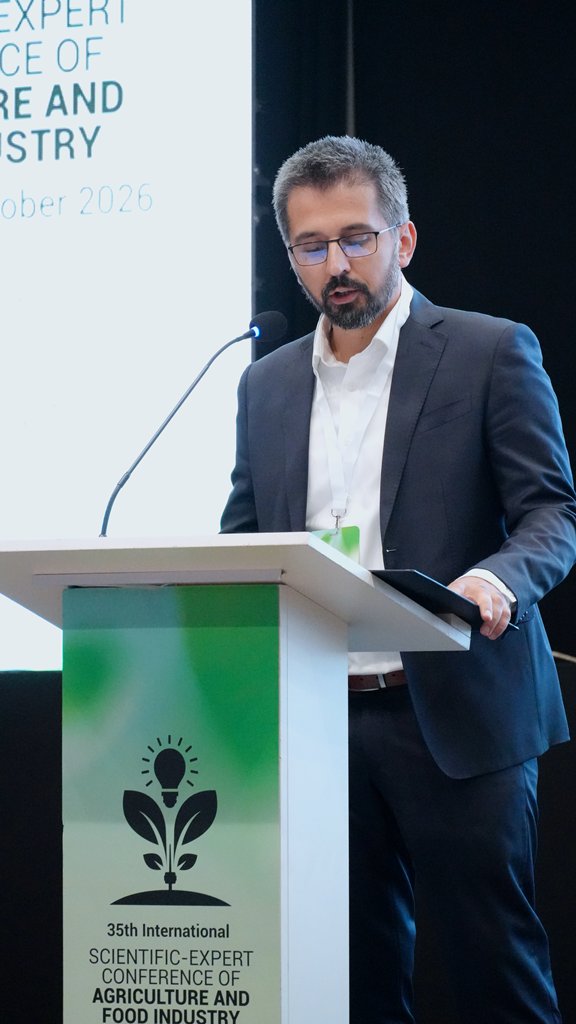
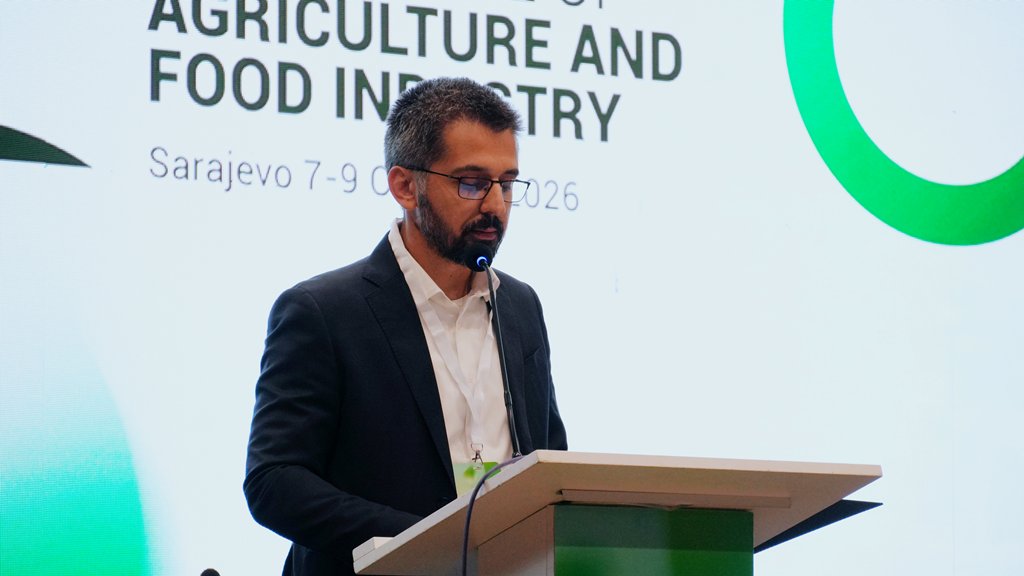
In the introductory part of the program, Prof. Dr. Zoran Popovski, Vice-President of the COST Association, presented the opportunities COST provides for international scientific networking and research cooperation.
The first day of the conference featured four keynote lectures: by Aleksandra Martinovska Stojcheska from North Macedonia, Paride D'Ottavio from Italy, Dragan Nikolić from Serbia, and Dražen Lušić from Croatia. Their presentations opened discussions on the development of agri-food systems, sustainable natural resource management, selection of species and varieties, and food safety and authenticity.
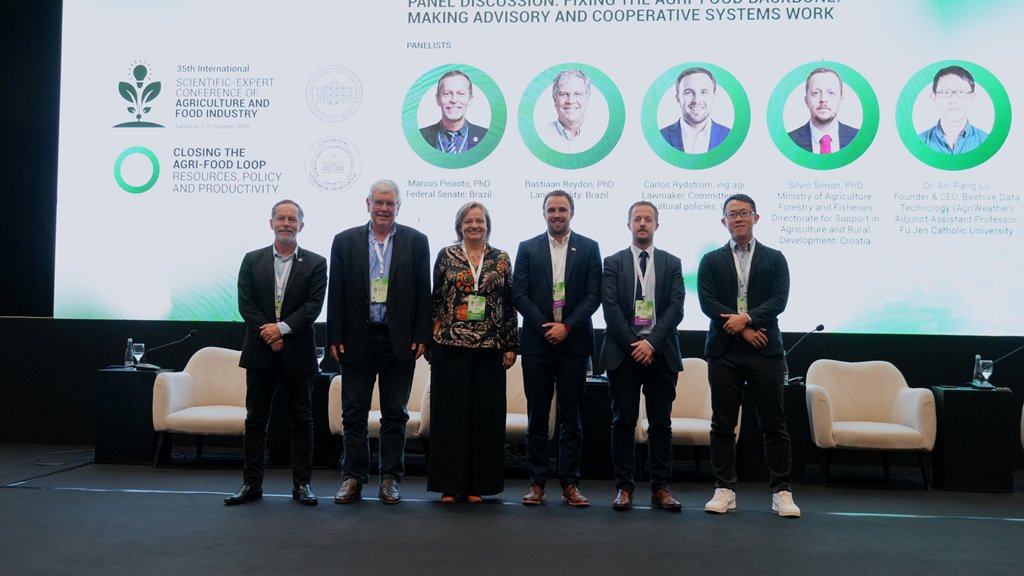
A panel discussion was dedicated to strengthening advisory and cooperative systems. Moderated by Prof. Dr. Aleksandra Nikolić, experiences were shared by Marcus Peixoto and Bastiaan Reydon from Brazil, Silvio Šimon from Croatia, Carlos Rydström Henderson from Uruguay, and An-Pang Lu from Taiwan. The meeting of different institutional and production experiences enabled consideration of how knowledge, public policies, and digital solutions can better respond to the needs of farmers.
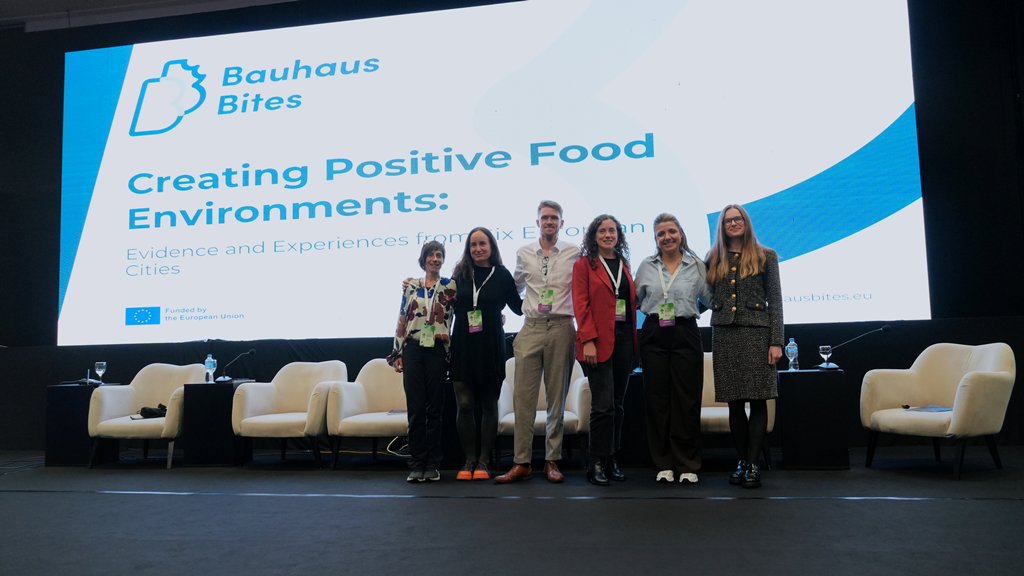
A round-table discussion was also held on shaping urban food systems through the New European Bauhaus approach, moderated by Nadira Berbić, with the participation of representatives from the BAUHAUSBITES project. The program was thus expanded to include the role of cities and local communities in transforming food systems. This meeting enabled the exchange of experiences between the academic community and European partners involved in developing sustainable urban food systems.
The second day was dedicated to scientific sessions and poster presentations. The presented papers covered a wide range of topics, from adapting agriculture to climate change and preserving genetic resources to innovations in food processing, digitalization, and rural development. Discussions enabled the comparison of results from different environments and the consideration of their practical application.
Regional Academic Cooperation and Exchange of Research Results
Within the framework of the conference, a meeting of the Association of Faculties of Agricultural Sciences in Southeast Europe (ASFASSE) was held. The conference was also attended by 28 guests connected with the work of the Association, including deans and representatives of faculties from Croatia, Slovenia, Bosnia and Herzegovina, Montenegro, and North Macedonia. This meeting provided additional space for connecting institutions and discussing common academic and research interests.
Conference Conclusions: Sustainability, Innovation, Resilience, and Cooperation.
At the closing ceremony, conclusions from the four scientific sections were presented, highlighting the common need for stronger connections between research, production, and public policies.
In the field of crop production, the need to adapt to climate change through sustainable soil, water, and nutrient management was emphasized. It was particularly stressed that drought must receive greater attention in research and agricultural planning. Priorities include improving soil's ability to retain water, more efficient use of available water resources, and the application of crops and varieties tolerant to drought and adapted to local conditions. Digital tools and innovative technologies should support these processes, with the active involvement of producers and local communities.
Conclusions from livestock production focused on preserving indigenous breeds, improving animal welfare and health, and adapting feeding and management practices to different lactation stages. Emphasis was placed on the possibilities of applying sensors and digital platforms, as well as connecting livestock farming with sustainable pasture management, vegetation restoration, and biodiversity conservation. Long-term breeding goals should be defined in cooperation with family farms, advisory services, and researchers.
In the field of food technology and nutrition, food safety, risk monitoring, and harmonized data collection were highlighted. Emphasis was placed on the development of functional and personalized food, the application of innovative technologies and traditional fermentation, better utilization of food industry by-products, and the development of sustainable packaging. Important topics included food literacy, balanced and affordable school meals, preservation of traditional food heritage, and strengthening systems for protecting food from intentional contamination.
Conclusions from the agricultural and food industry economics section emphasized that sustainability must be considered together with farm profitability, social inclusion, and rural development. Policies should be based on scientific evidence and adapted to the conditions of the Western Balkans, available resources, markets, and institutional capacities. Special emphasis was placed on the need for knowledge exchange between researchers, policymakers, producers, the economy, and consumers.
The conference's common message was that a sustainable agri-food system requires coordinated action throughout the entire food chain. Efficient resource use, biodiversity conservation, and waste reduction must be connected with innovations and feasible policies that improve productivity, food safety, and the quality of life in rural areas.
Meetings and Cooperation Outside the Conference Halls
The program was complemented by networking at the Faculty's experimental field in Butmir and a gala dinner. These meetings provided an opportunity to continue discussions in an informal environment, strengthen collegial ties, and establish new contacts.
Gratitude to All Who Contributed to the Conference
The University of Sarajevo – Faculty of Agriculture and Food Sciences expresses special gratitude to the keynote speakers Aleksandra Martinovska Stojcheska, Paride D'Ottavio, Dragan Nikolić, and Dražen Lušić, and to the panelists Marcus Peixoto, Bastiaan Reydon, Silvio Šimon, Carlos Rydström Henderson, and An-Pang Lu for sharing their knowledge, experiences, and contributing to international dialogue.
Special thanks are extended to Prof. Dr. Zoran Popovski for presenting COST opportunities for international scientific cooperation, and to the representatives of ASFASSE for their participation and contribution to connecting agricultural faculties in the region.
We thank the moderators and participants of the roundtable, partners and participants of the BAUHAUSBITES project, all authors and conference participants, session chairs, reviewers, and members of the scientific and organizational committees. Gratitude is also expressed to colleagues, students, and staff involved in the preparation and implementation of the event.
We especially thank all sponsors, patrons, and partners who supported the implementation of the conference:
- Federal Ministry of Education and Science
- Ministry of Science, Higher Education and Youth of Sarajevo Canton
- Chamber of Commerce of the Federation of Bosnia and Herzegovina
- JU Secondary Music School Sarajevo
- Municipality of Vukosavlje
- ProBio BiH
- Cener 21
- Plant d.o.o.
- Fruit Prom d.o.o.
- Meat Industry MADI Tešanj d.o.o.
- METOS by Pessl Instruments
- PBP d.o.o. Konjic
- Mikro+Polo d.o.o.
- Edin Babić BH Delikatese d.o.o.
- Biona & Beyond d.o.o.
- Dermalab d.o.o.
- Noaland-Noazemlja d.o.o.
- Maksuz
- BH Milch
- Mcanon
- Yesari Group d.o.o. Sarajevo
- NewCold Metal Construction d.o.o. Usora
We thank them for their support in holding the 35th Agriconference and for contributing to the connection of science, education, and practice.
Thank you to all participants whose work, questions, and ideas contributed to this year's conference. We look forward to continuing our cooperation and to new meetings!