Fourth International ATCT Conference Successfully Completed
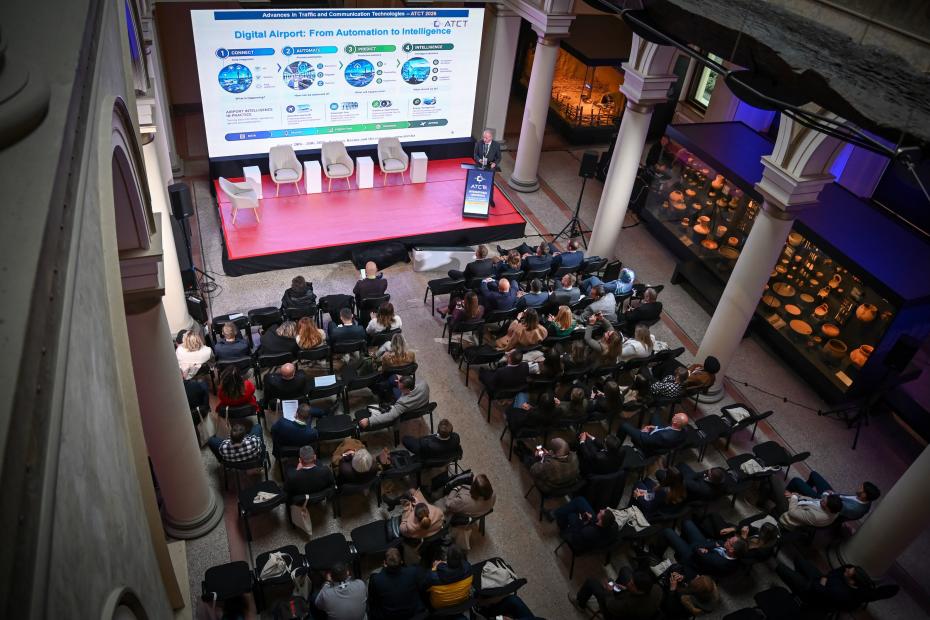


The two-day international conference "Advances in Traffic and Communication Technologies – ATCT 2026," held on 29 and 30 October in Sarajevo, was successfully concluded, bringing together representatives of the academic community, competent institutions, the aviation industry, and experts from Bosnia and Herzegovina and the region.
Organized by the University of Sarajevo – Faculty of Traffic and Communications, this year's conference was dedicated to the challenges and prospects of air traffic development, with particular emphasis on regional connectivity, airport infrastructure, safety, and the application of modern technologies.
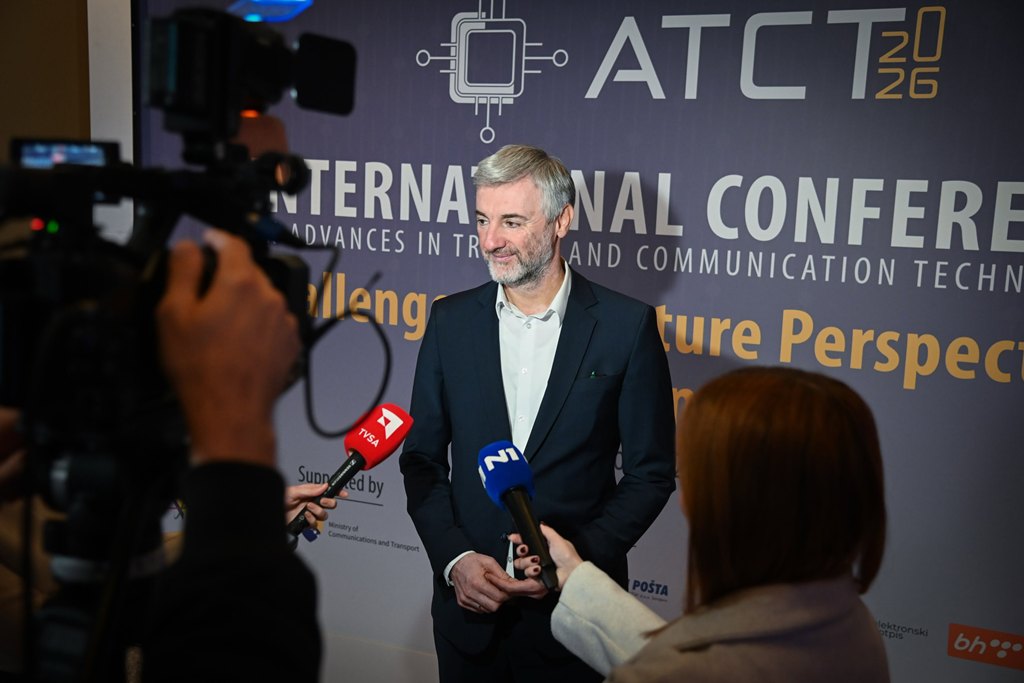
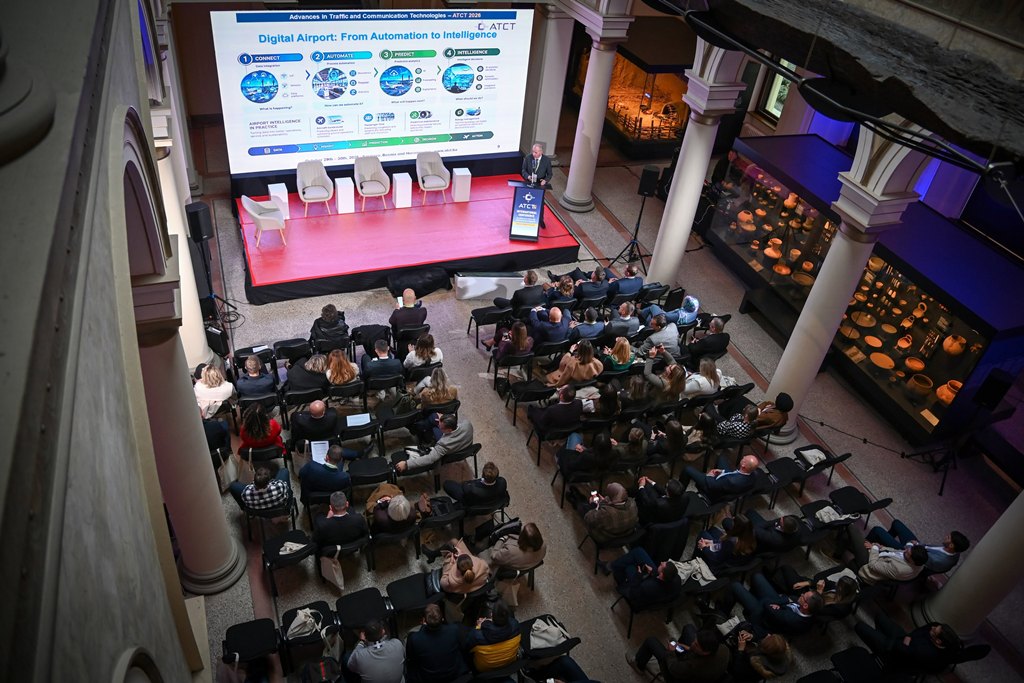
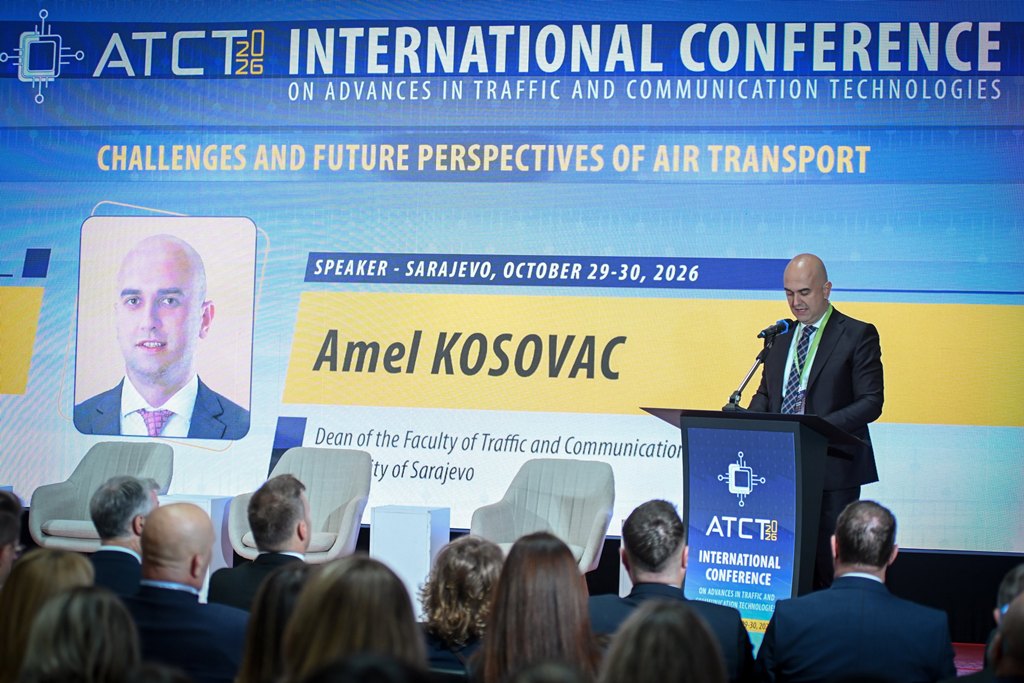
The first day of the conference was held at the National Museum of Bosnia and Herzegovina, where the participants were addressed at the ceremonial opening by the Dean of the Faculty of Traffic and Communications, Prof. Dr. Amel Kosovac, Rector of the University of Sarajevo, Prof. Dr. Tarik Zaimović, and the Minister of Communications and Transport of Bosnia and Herzegovina, Edin Forto.
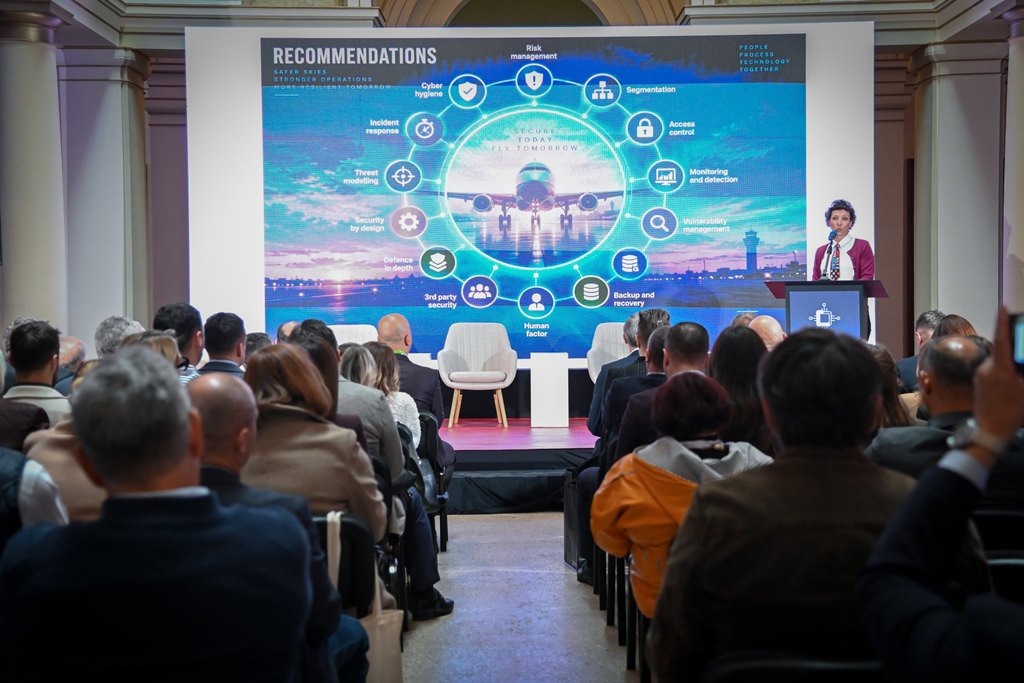
Following the opening addresses, the first keynote lecture was delivered by Prof. Dr. Sabina Baraković, full professor at the Faculty of Traffic and Communications, speaking about cybersecurity, the convergence of information and operational technologies, and the role of artificial intelligence in contemporary aviation. The lecture pointed to the growing importance of protecting digital systems and critical infrastructure in the air traffic sector.
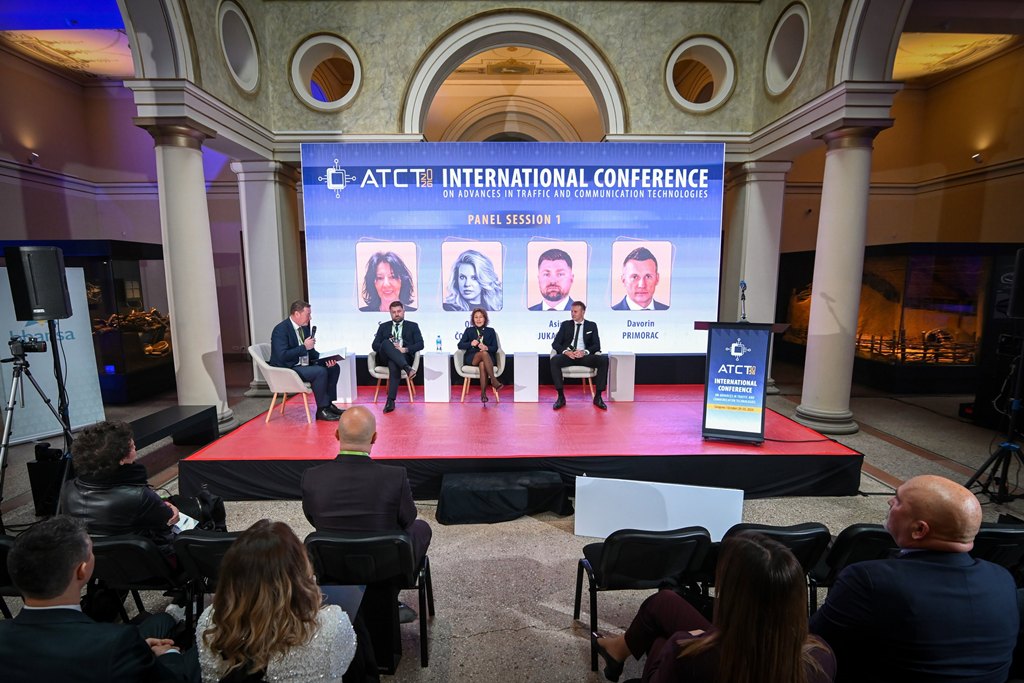
This was followed by the first panel discussion, entitled "Strategic Development of Air Traffic in the Countries of the Region – From the Present to the Future," in which Prof. Dr. Sanja Steiner, of the Institute of Traffic and Communications of Croatia, Asim Jukanović, Deputy Director General for Flight Safety and Aviation Security of the Bosnia and Herzegovina Directorate of Civil Aviation (BHDCA), and Davorin Primorac, Director of Bosnia and Herzegovina Air Navigation Services Agency (BHANSA), participated.
Through a discussion of the current situation and future directions of air traffic development, the panelists considered issues of regional connectivity, airspace management, safety, and harmonization with European standards. Special attention was devoted to the challenges in the development of the aviation sector and the need for stronger cooperation among institutions, the academic community, and industry. The discussion was moderated by Ibrica Berberović, MSc, Executive Director of Mostar International Airport.
After the first panel discussion, the second keynote lecture was delivered by Prof. Dr. Muharem Šabić, full professor at the Faculty of Traffic and Communications, on the future of airport development in the era of sustainable, digital, and resilient mobility. Through his lecture, he presented the key challenges facing contemporary airports, as well as the need for their continuous technological and infrastructural development.
The first day of the conference continued with the second panel discussion, "Airports in Bosnia and Herzegovina – Challenges, Opportunities, and Development Prospects," which brought together representatives of domestic airports: Dino Selimović, Director of Sarajevo International Airport; Marko Đuzel, Director of Mostar International Airport; Mirnes Vejzović, Executive Manager for Marketing and Development of Tuzla International Airport; and Edvin Šimić, representative of Visoko "Kenan Jusufbašić" Airport.
The focus of the discussion was on the existing capacities and development plans of the airports, the possibilities of establishing new air routes, and the strengthening of Bosnia and Herzegovina's international connectivity. The panelists also spoke about the challenges the airports face on a daily basis, from infrastructure investment and operational requirements to the need for long-term strategic planning. The discussion was moderated by Asst. Prof. Dr. Zvonimir Rezo, of the Faculty of Transport and Traffic Sciences of the University of Zagreb.
On the second day of the conference, 30 October, the program continued at the Faculty of Traffic and Communications of the University of Sarajevo, where papers by researchers and experts in the field of traffic and communication technologies were presented through scientific sessions.
This part of the conference provided an opportunity to present the results of scientific research work, exchange professional opinions, and discuss the possibilities of applying contemporary research approaches in practice. Of particular value were the direct conversations among authors, teachers, and researchers, as well as the opportunities for establishing new forms of cooperation.
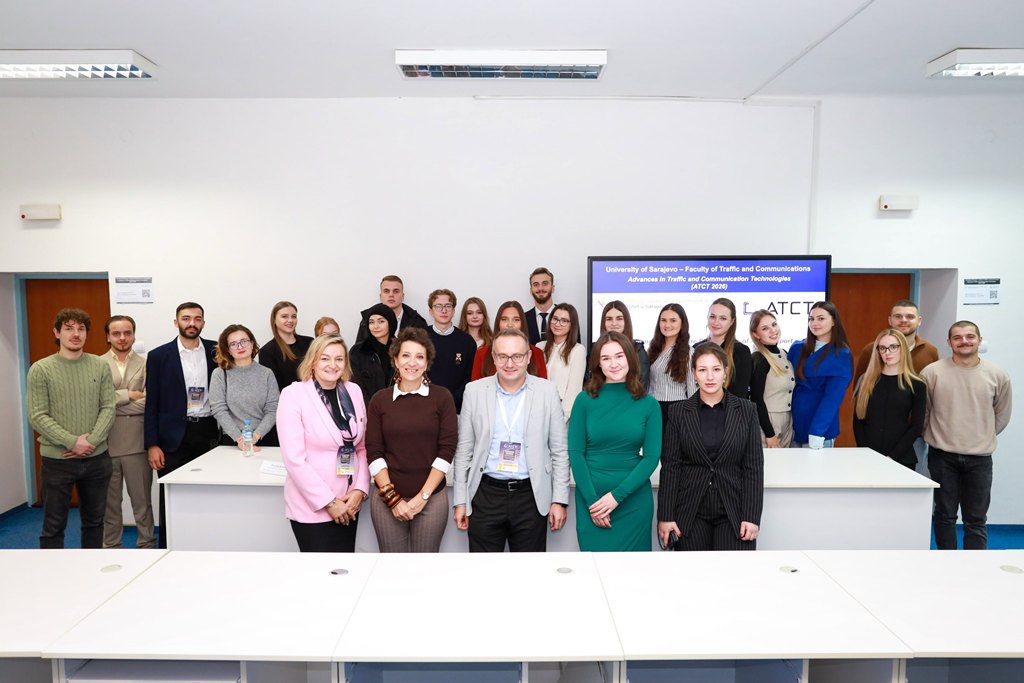
A special part of the second day of the conference was devoted to a student session, during which students presented their research papers in the fields of artificial intelligence, machine learning, intelligent transport systems, communication technologies, and sustainable development. This session gave young researchers an opportunity to present the results of their work, exchange experiences, and actively contribute to the conference's scientific program.
By holding the ATCT 2026 conference, the Faculty of Traffic and Communications continued the tradition of bringing the academic and professional community together around topics important for the development of traffic and communications. This year's program once again showed how important it is to link scientific knowledge, practical experience, and strategic planning for the development of the transport sector.
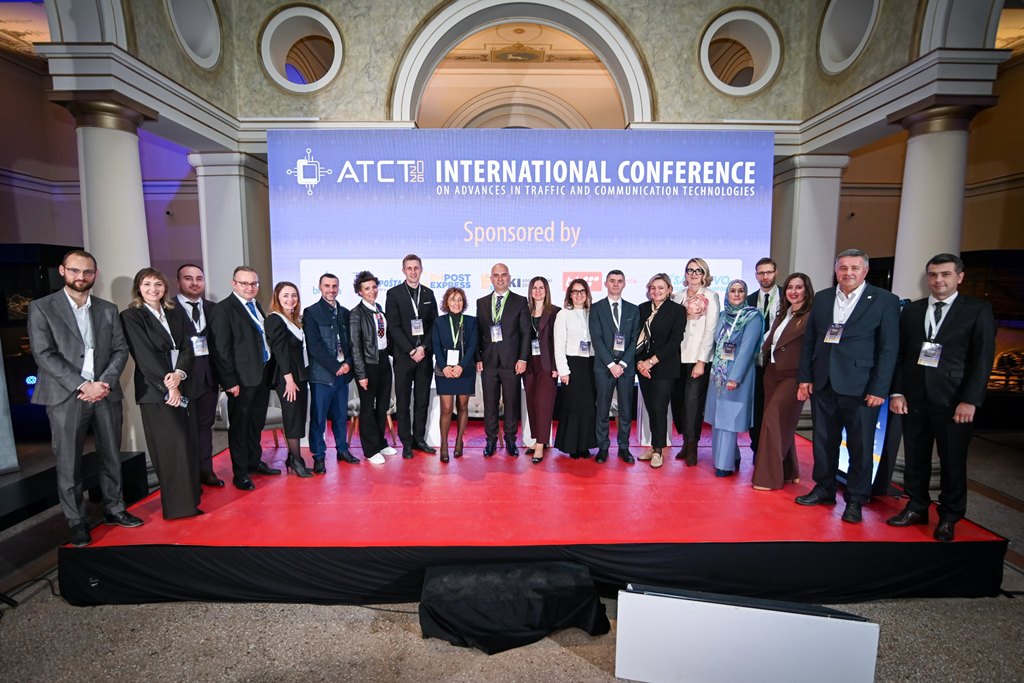
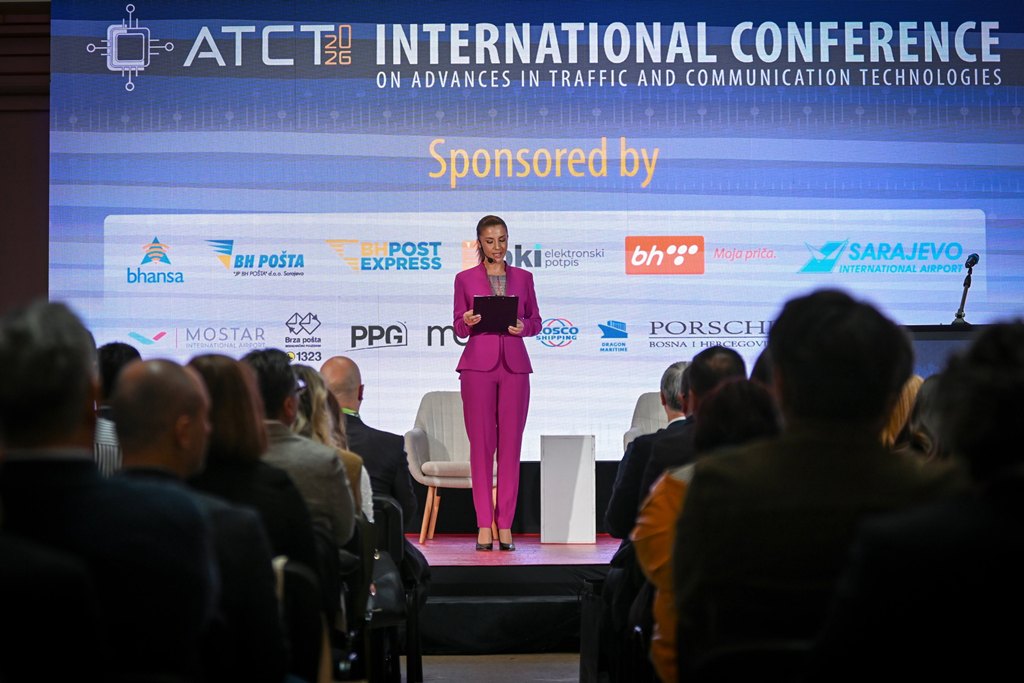
The Faculty of Traffic and Communications of the University of Sarajevo thanks all lecturers, panelists, moderators, authors of scientific papers, and conference participants, as well as the institutions, partners, and sponsors that supported its realization. Special gratitude is extended to the members of the organizing and scientific committees for the effort and engagement invested during the preparation and realization of the conference.
ATCT 2026 concluded with the exchange of valuable experiences, new contacts, and open possibilities for future scientific and professional cooperation.