Seminar “Social Issues in Times of Genocide” Held at the UNSA Faculty of Political Science
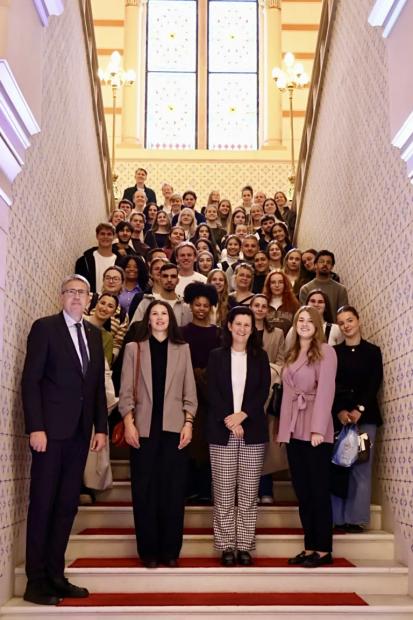


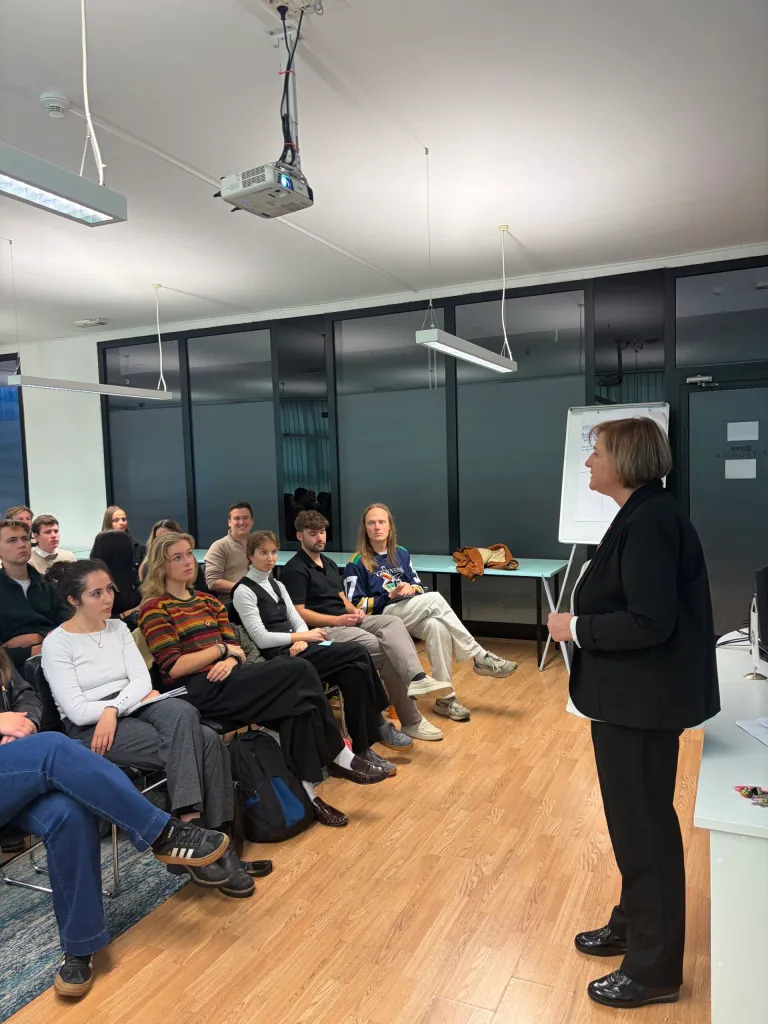
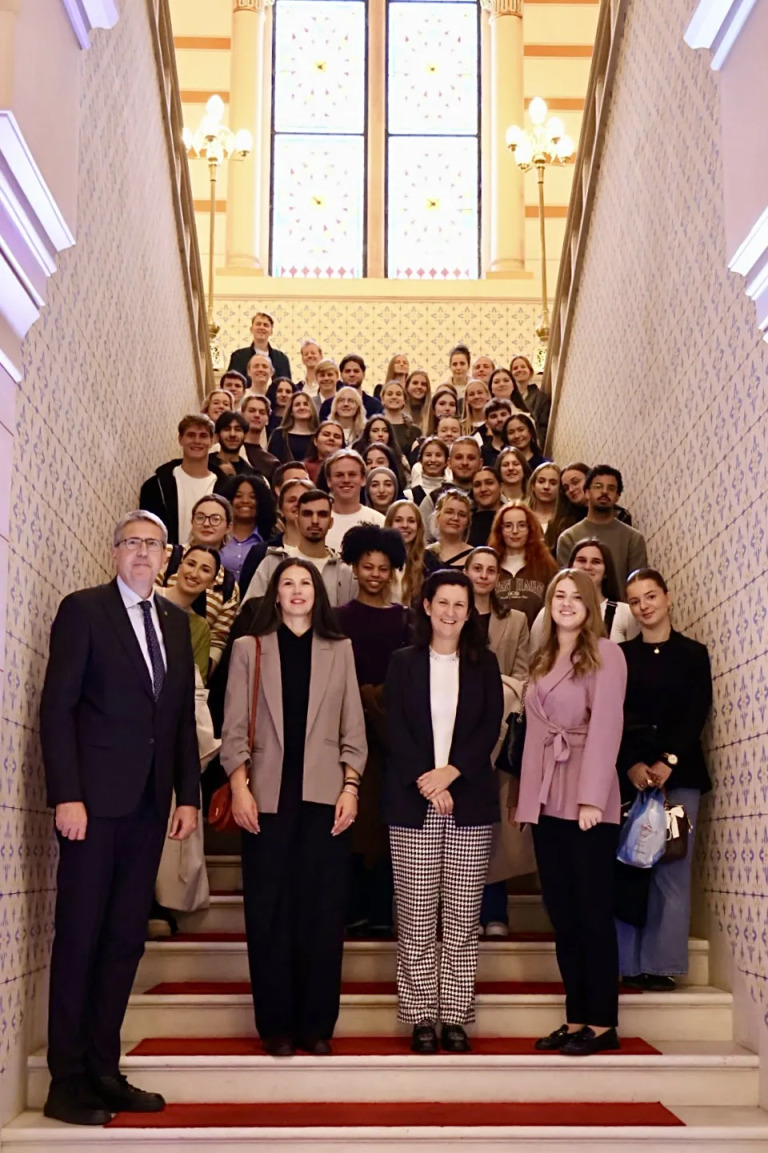
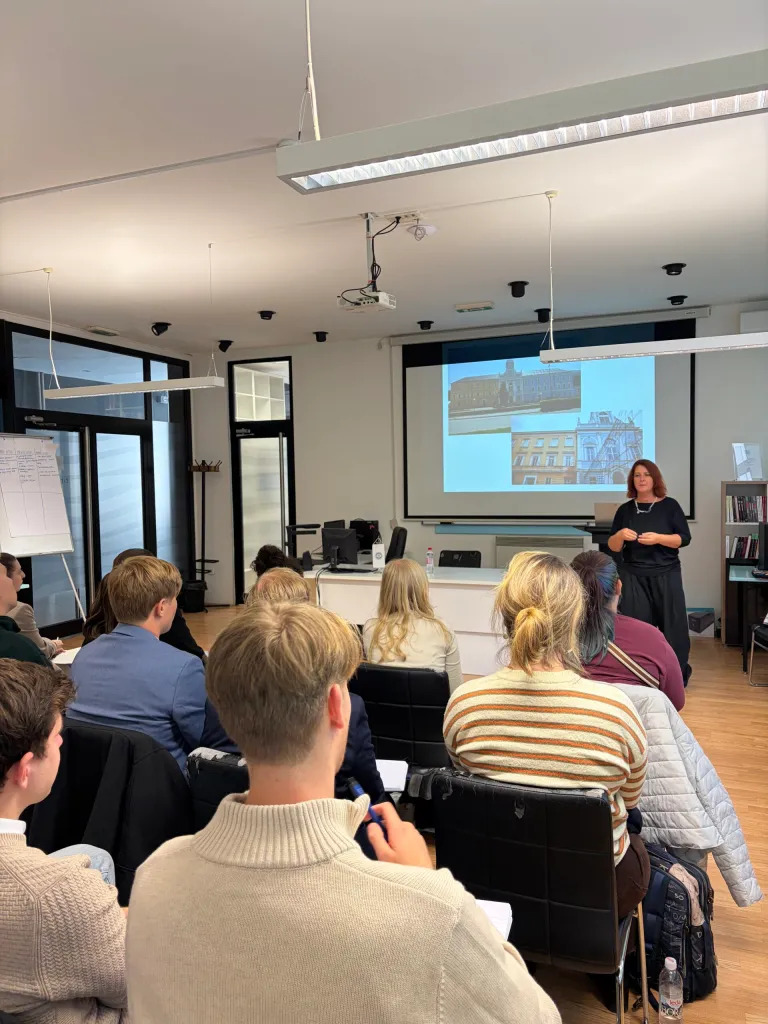
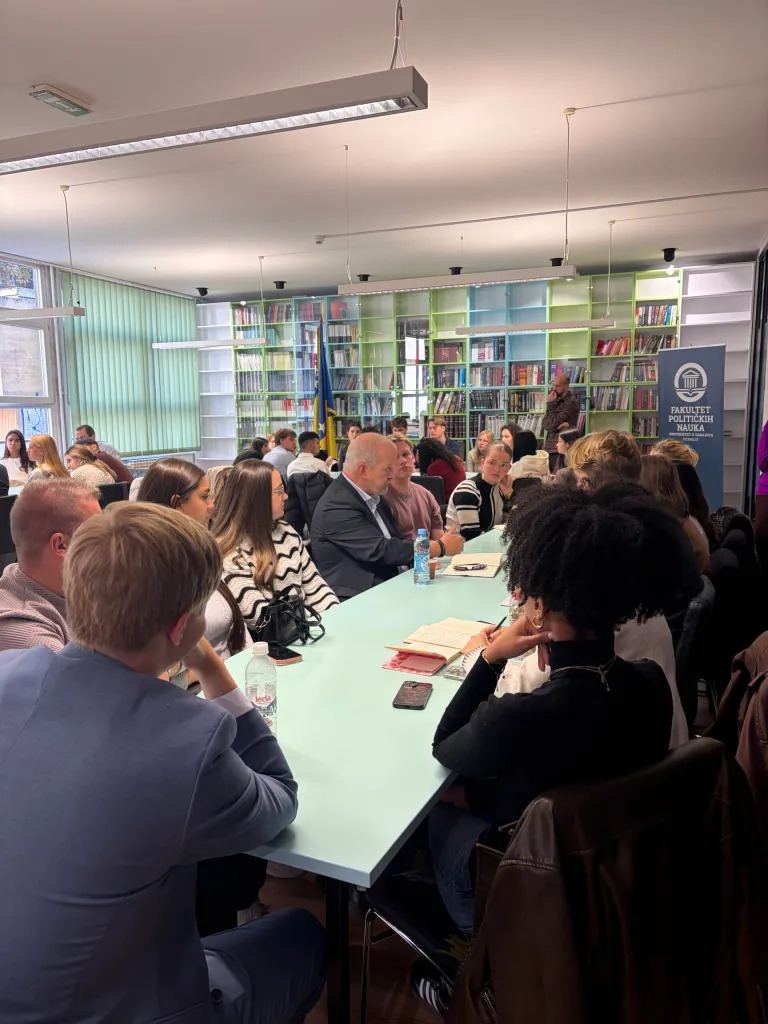
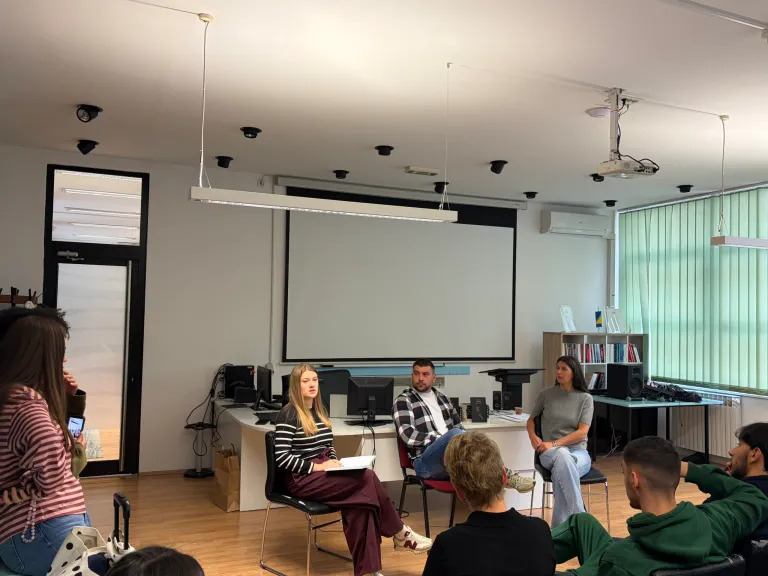
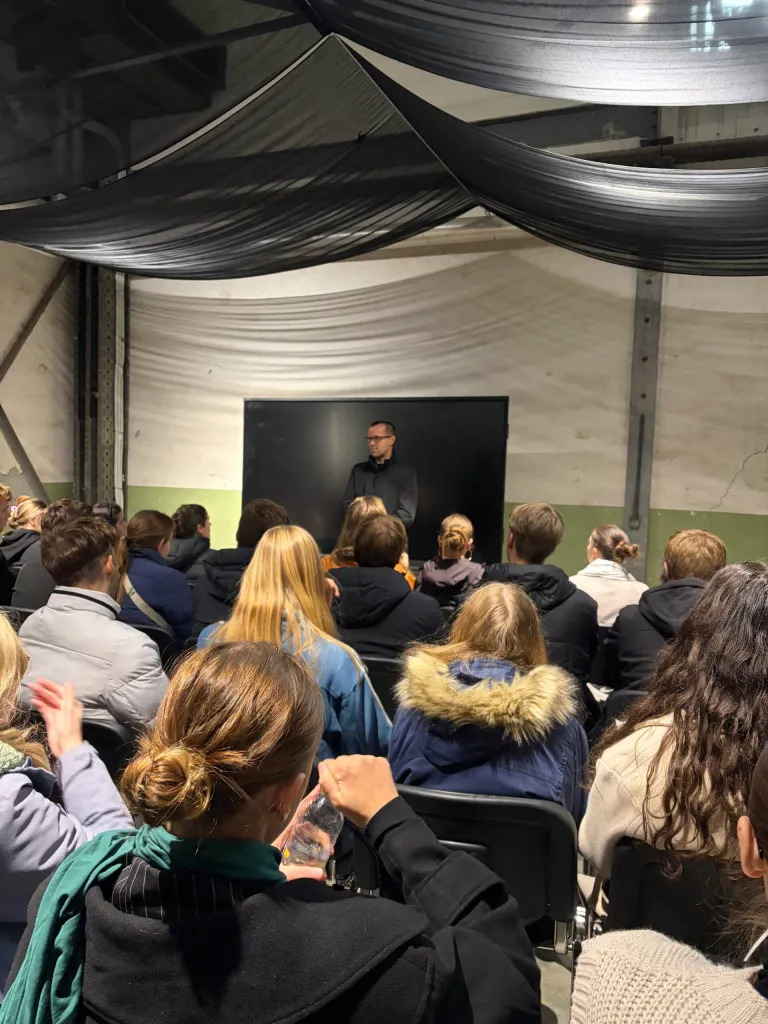
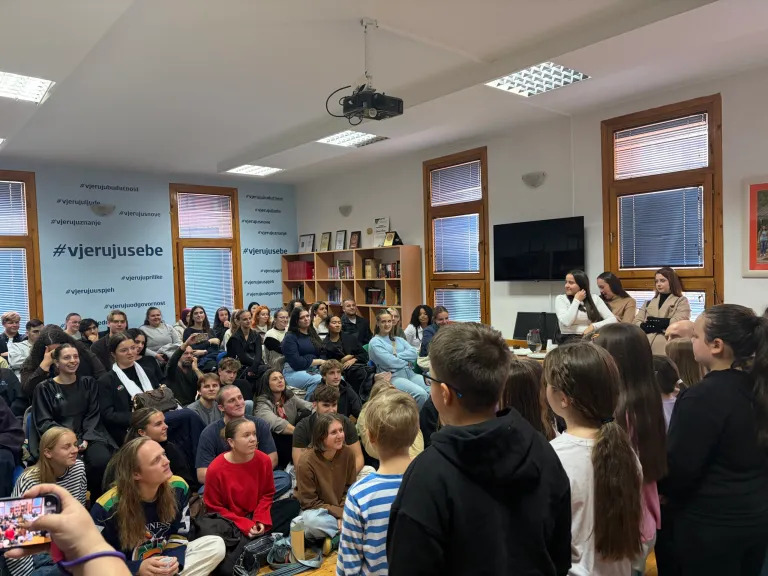
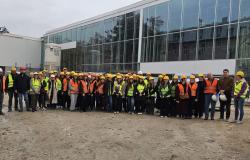
An international seminar, “Social Issues in Times of Genocide,” was held at the Faculty of Political Science of the University of Sarajevo from 26 to 29 October 2026, realized in cooperation with the University of Applied Sciences Utrecht. The seminar was attended by first-year master's students of the Department of Social Work, together with 45 students from Utrecht. The coordinators of the seminar, which comprised lectures, interactive workshops and field visits, were Prof. Dr. Sanela Bašić and Prof. Dr. Alma Mustafić.
At the beginning of the seminar, the participants were welcomed by the Vice-Dean for International Cooperation, Prof. Dr. Sanela Šadić, and the program continued with a visit to the City Hall, where the participants were addressed by the Mayor of Sarajevo, Mr. Samir Avdić. On that occasion, through an interactive session, the expert adviser of the Information Center on the International Criminal Tribunal for the former Yugoslavia, Ismena Čaušević, introduced them to the work of the Center and the history of the City Hall building.
Within the academic part of the program, Prof. Dr. Melisa Forić Plasto gave a lecture on “Challenges in Teaching about the 1992–1995 War in Bosnia and Herzegovina: The Use of Contested and Personal Narratives,” opening space for reflection on the challenges of teaching about the war in Bosnia and Herzegovina, as well as on the importance of personal and contested narratives in the educational process.
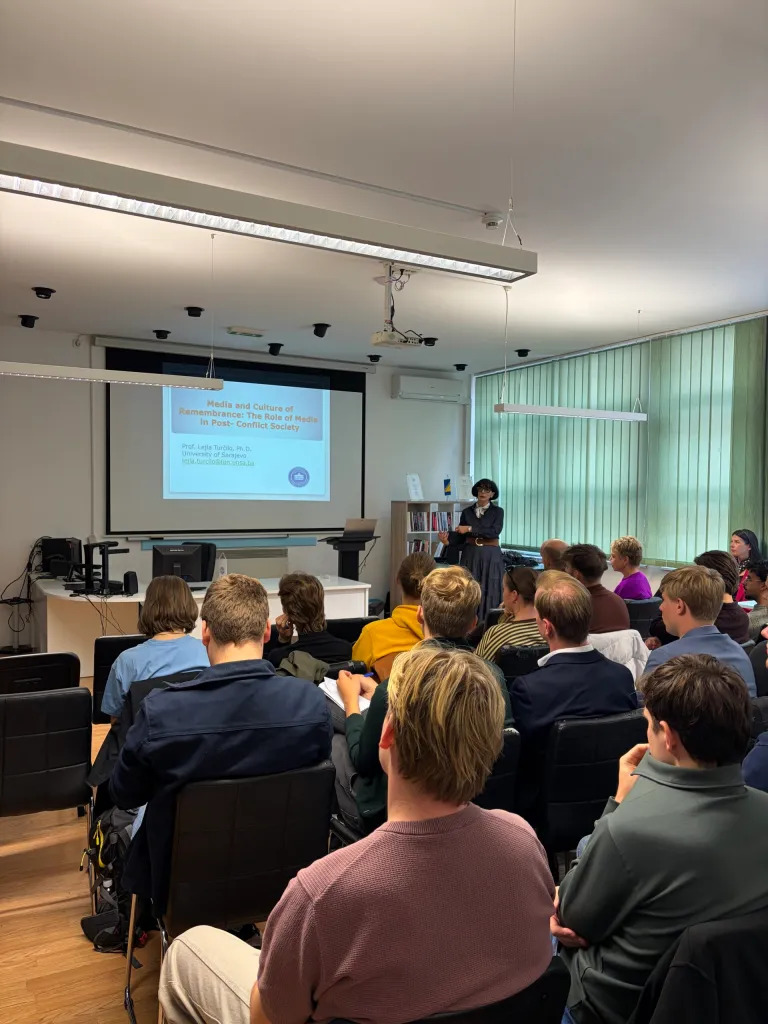
The students had the opportunity to talk with the Ambassador of the Kingdom of the Netherlands to Bosnia and Herzegovina, His Excellency Henk van den Dool, and representatives of the Embassy about the role of diplomacy in the postwar period. Prof. Dr. Lejla Turčilo gave a lecture on the media and the culture of remembrance.
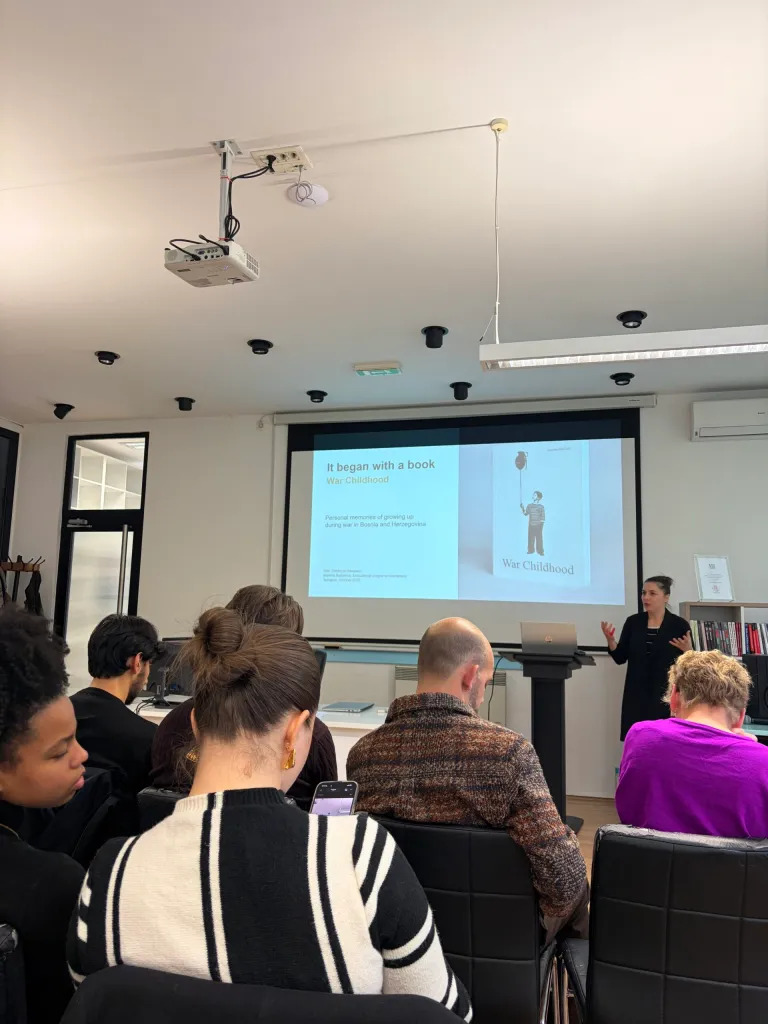
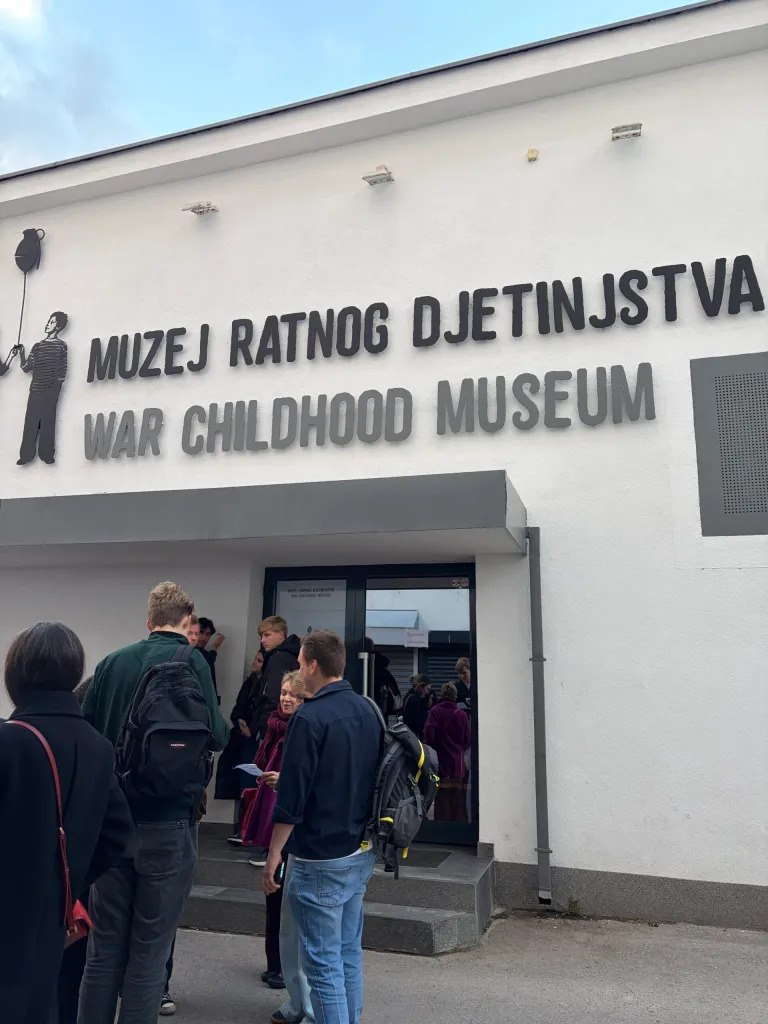
The program also included a visit to the War Childhood Museum, before which Merima Ražanica, coordinator of educational programs, presented the work of the Museum. The participants also met with Alen Muhić, who introduced them to the work of the association “Forgotten Children of War” and his advocacy for the rights and visibility of children born because of the war.
The final part of the seminar was devoted to a visit to the Srebrenica Memorial Center. Through the tour, the students became acquainted with the history of the genocide in Srebrenica and the work of the Memorial Center. After the tour, a conversation was held with the Center's staff about their work, the challenges they face, and the position and experiences of survivors who have returned to Srebrenica. The study trip concluded with a visit to the House of Good Tones, where the participants had the opportunity to learn about the work of this organization and its contribution to the community.
We thank all the participants, coordinators, lecturers, as well as the institutions, organizations and individuals whose contribution made the realization of this seminar possible.