Participation of the University of Sarajevo in Erasmus+ WE-MIND Workshops at the Medical University of Vienna
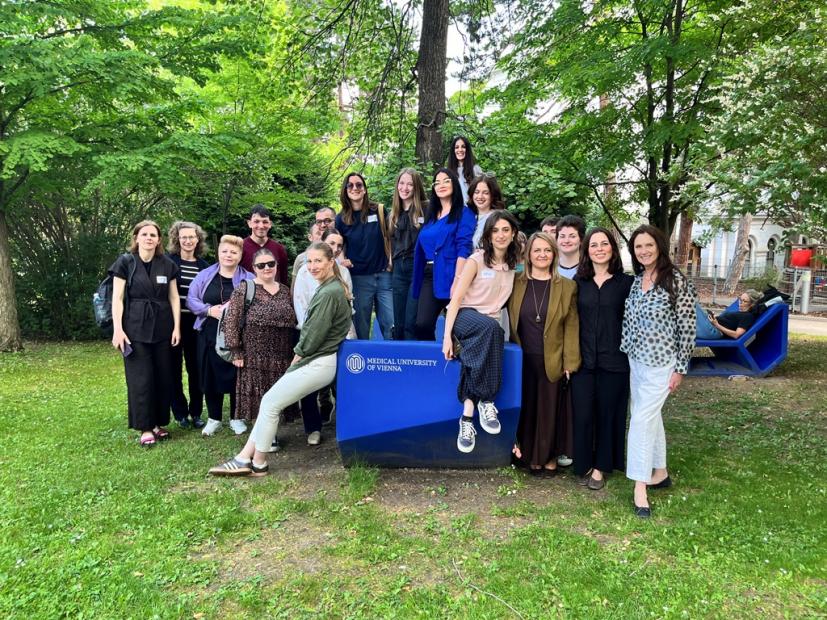


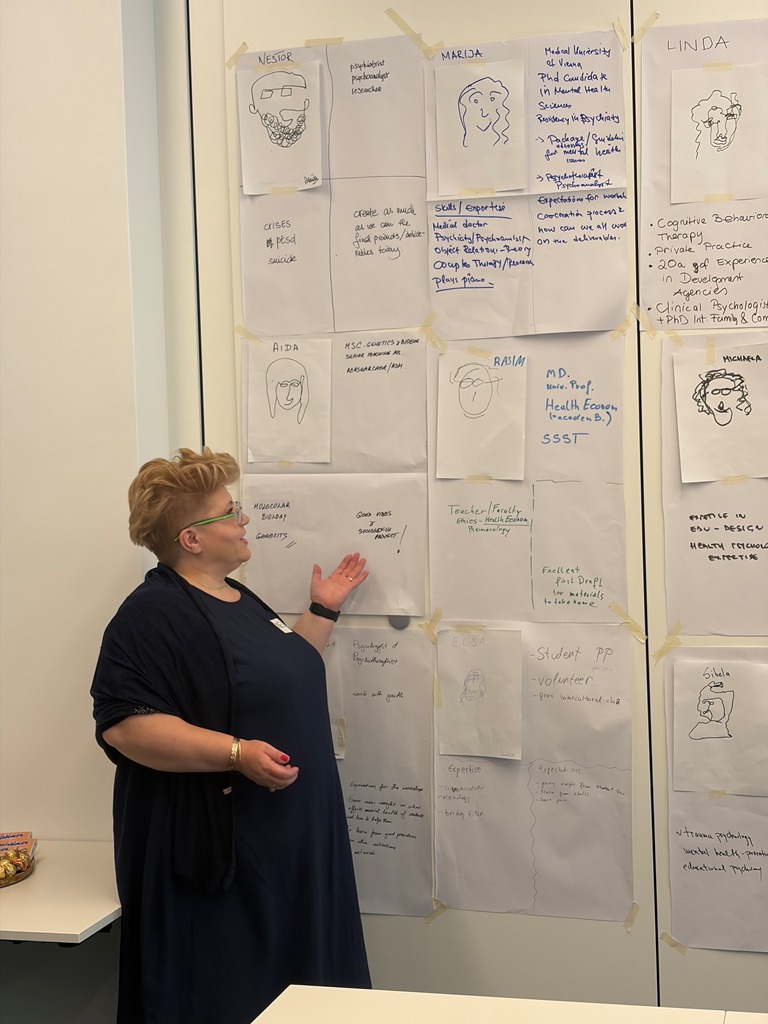
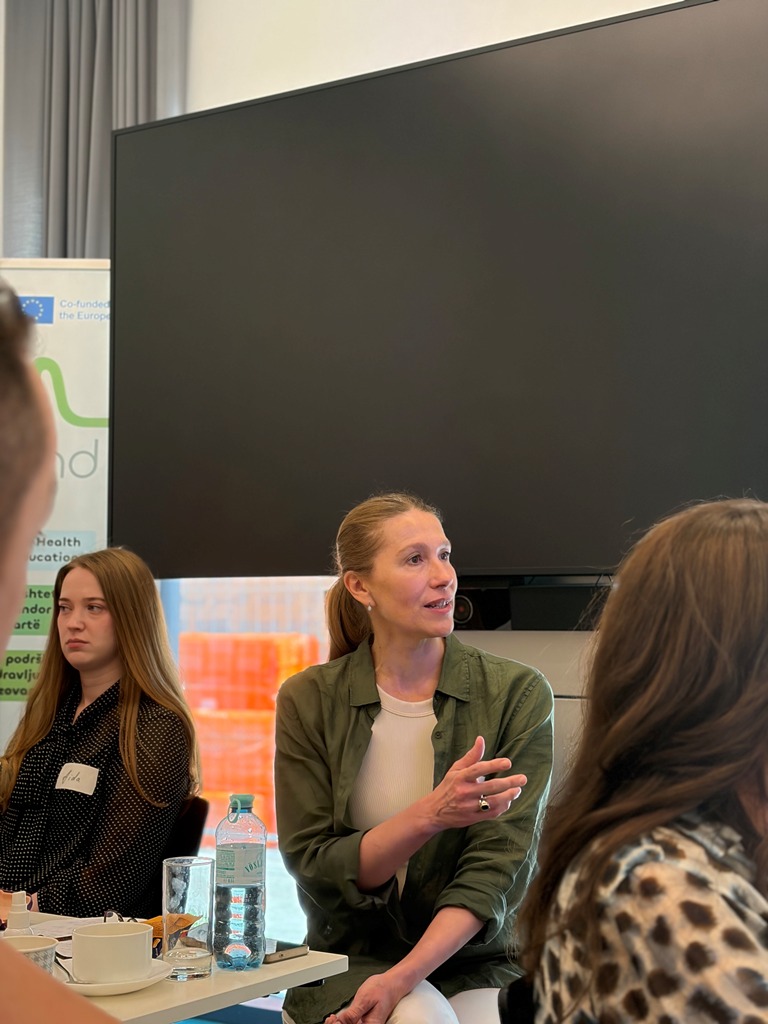
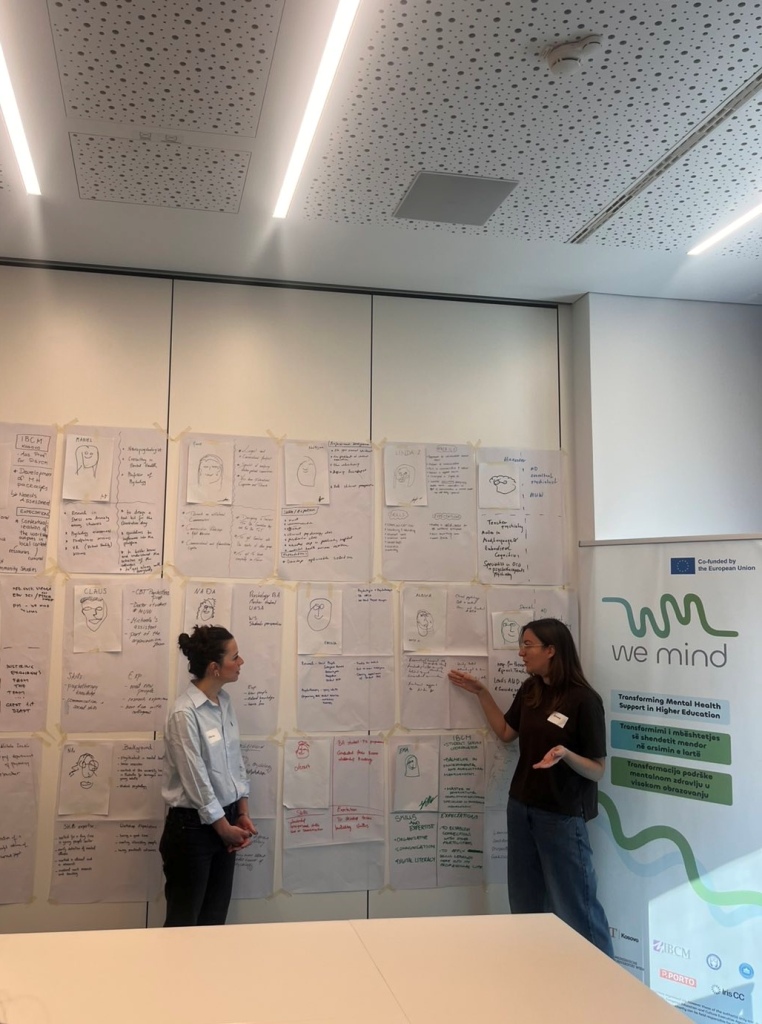
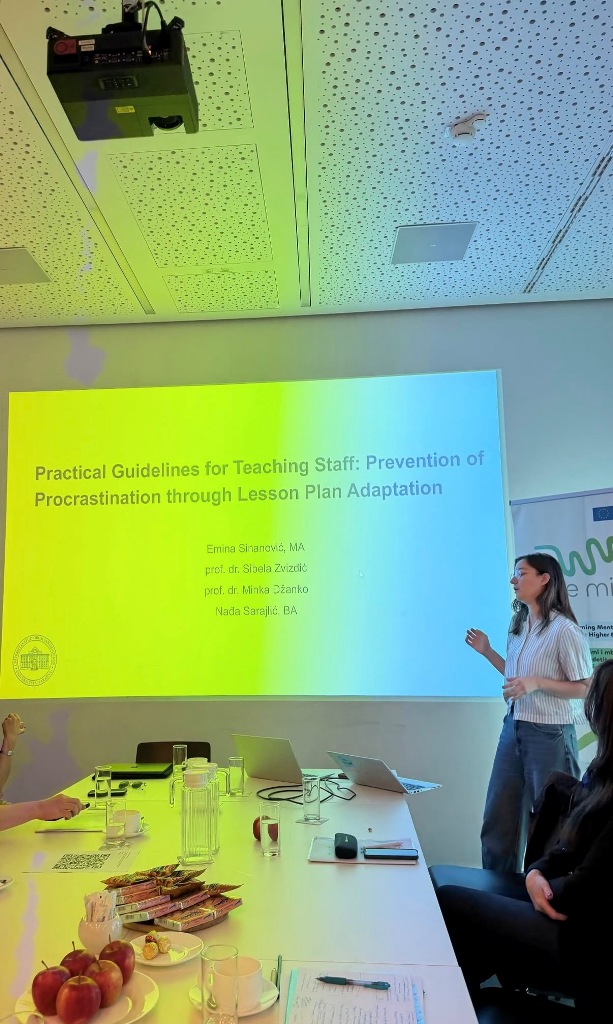
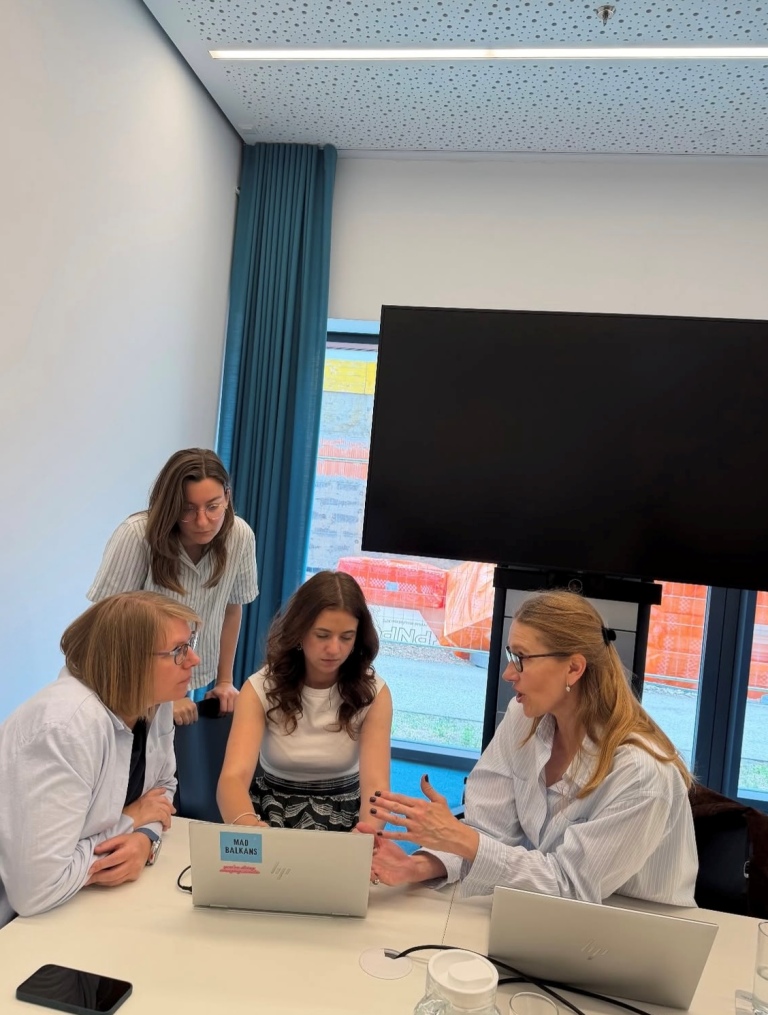
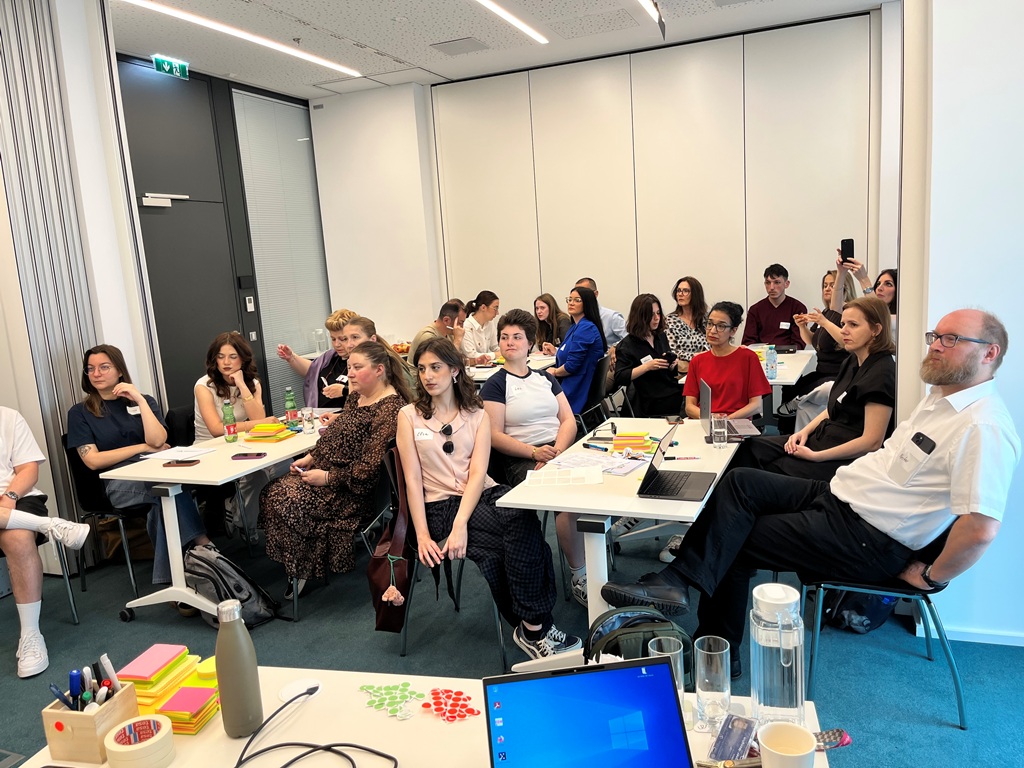
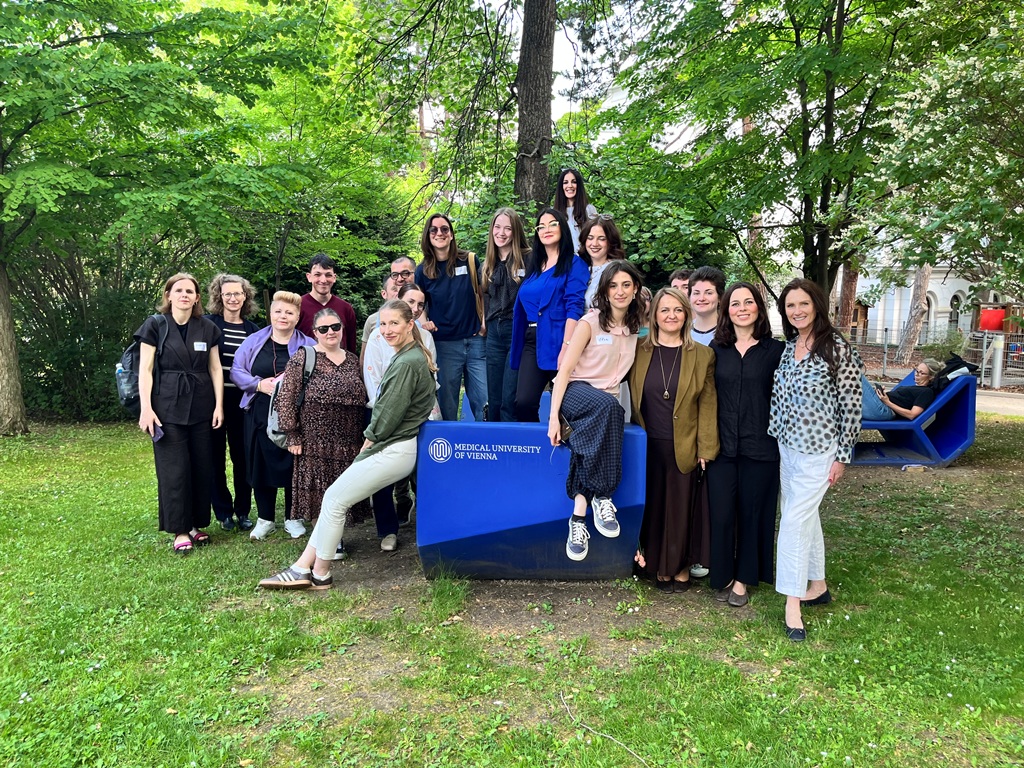
Representatives of the University of Sarajevo and members of the project team, teaching assistant Emina Sinanović, MA, Prof. Dr. Sibela Zvizdić, Assoc. Prof. Dr. Minka Džanko, and second cycle student Nađa Sarajlić, BA, participated in an international workshop within the Erasmus+ project WE-MIND – Advancing Mental Health and Innovation in Western Balkans Higher Education Through Digital Transformation, held in Vienna and bringing together partners from several European countries.
WE-MIND is an Erasmus+ Capacity Building in Higher Education (CBHE) project aimed at improving mental health, strengthening mental health literacy, and advancing the digital transformation of student support systems in higher education institutions across the Western Balkans. The project includes the development of an innovative digital mental health platform, the integration of mental health topics into curricula, as well as educational programmes for capacity building of academic staff and professionals through a Training of Trainers (ToT) approach.
The project is coordinated by RIT Kosovo (A.U.K.) College, and the consortium includes the following partner institutions:
- University of Sarajevo (UNSA), Bosnia and Herzegovina
- Sarajevo School of Science and Technology (SSST), Bosnia and Herzegovina
- Medical University of Vienna, Austria
- Polytechnic of Porto – Instituto Politécnico do Porto, Portugal
- IRIS-CC – Institute for Research and Innovation in Life and Health Sciences of Central Catalonia, Spain
- Public International Business College Mitrovica (IBCM), Kosovo
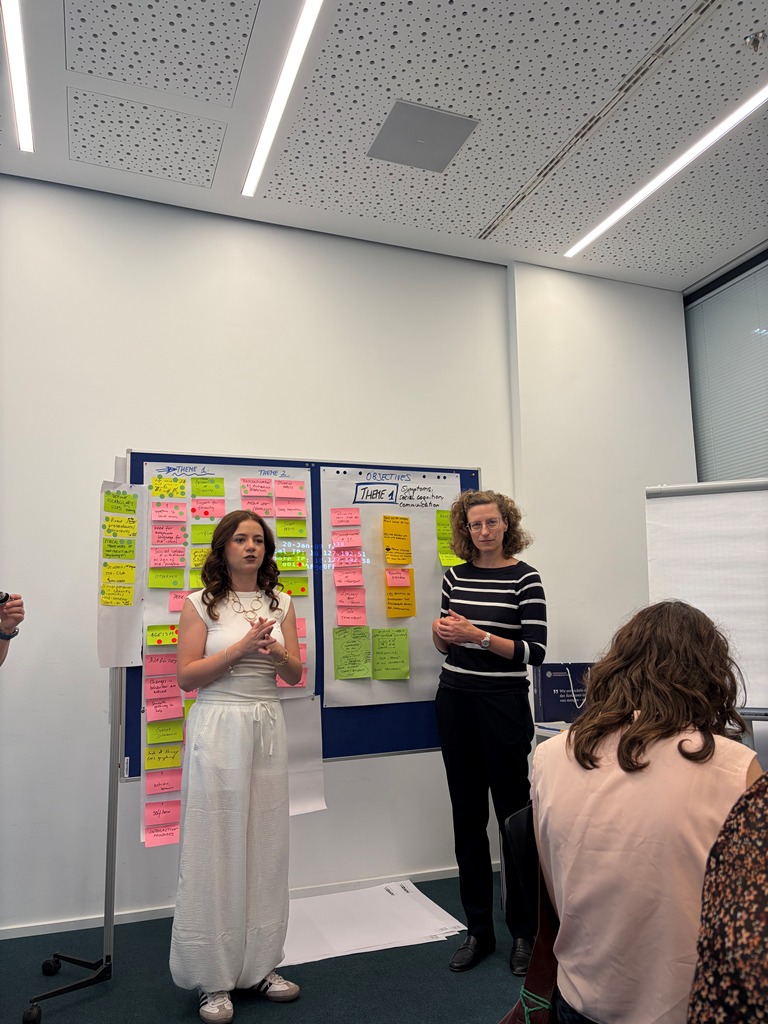
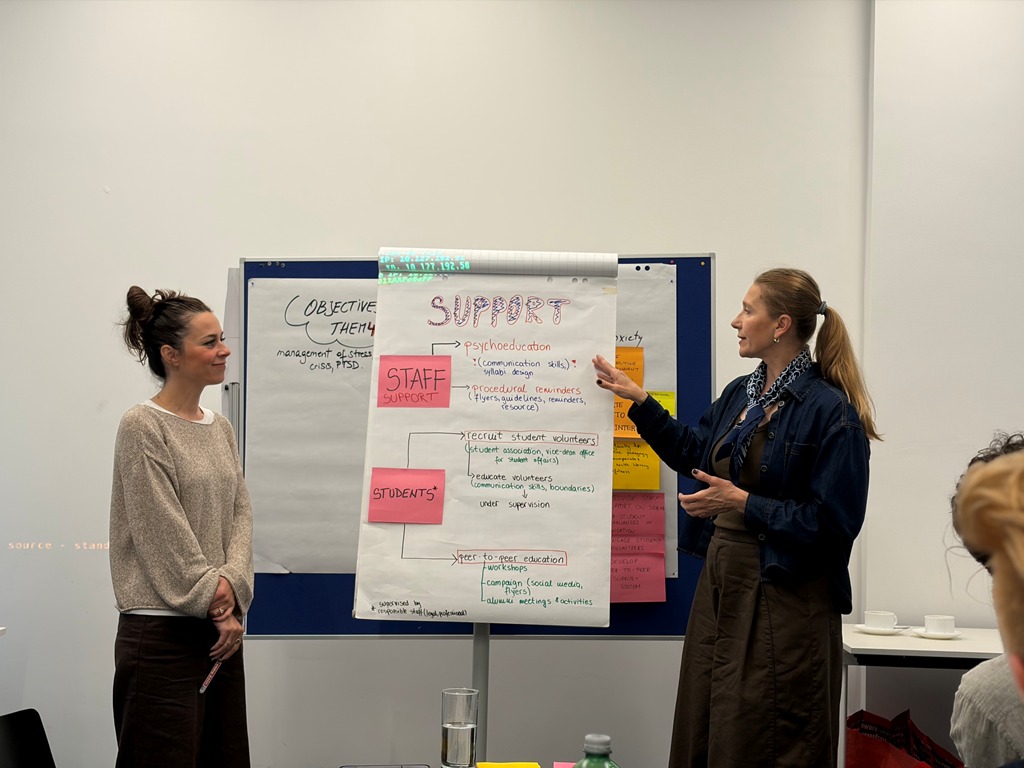
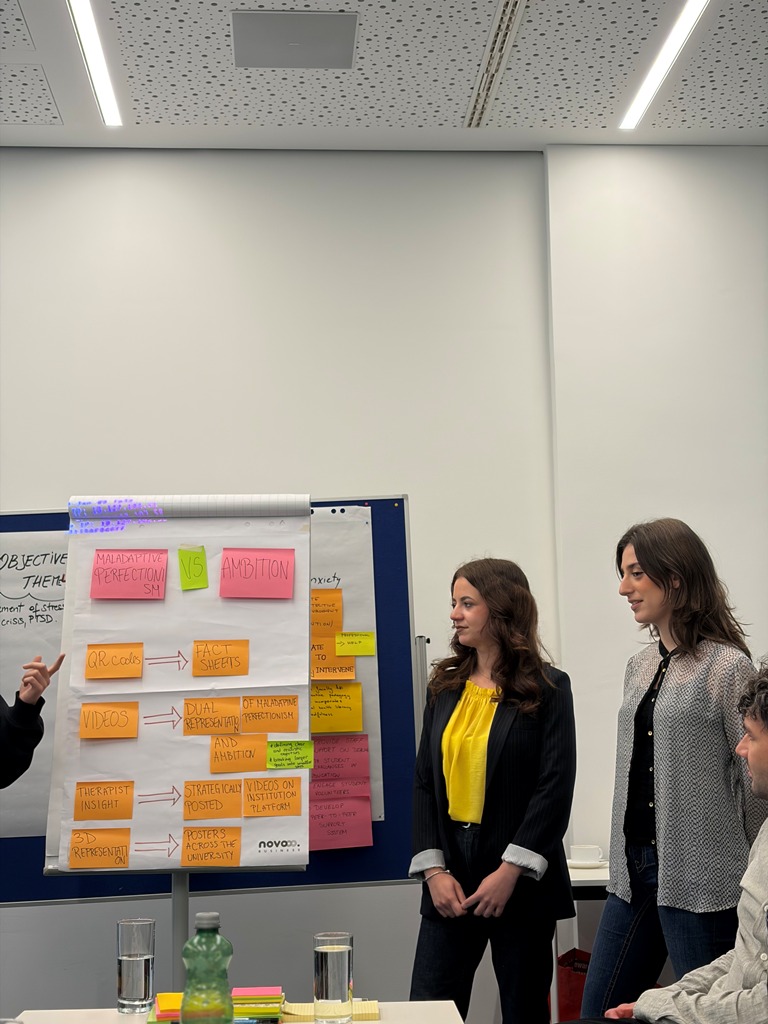
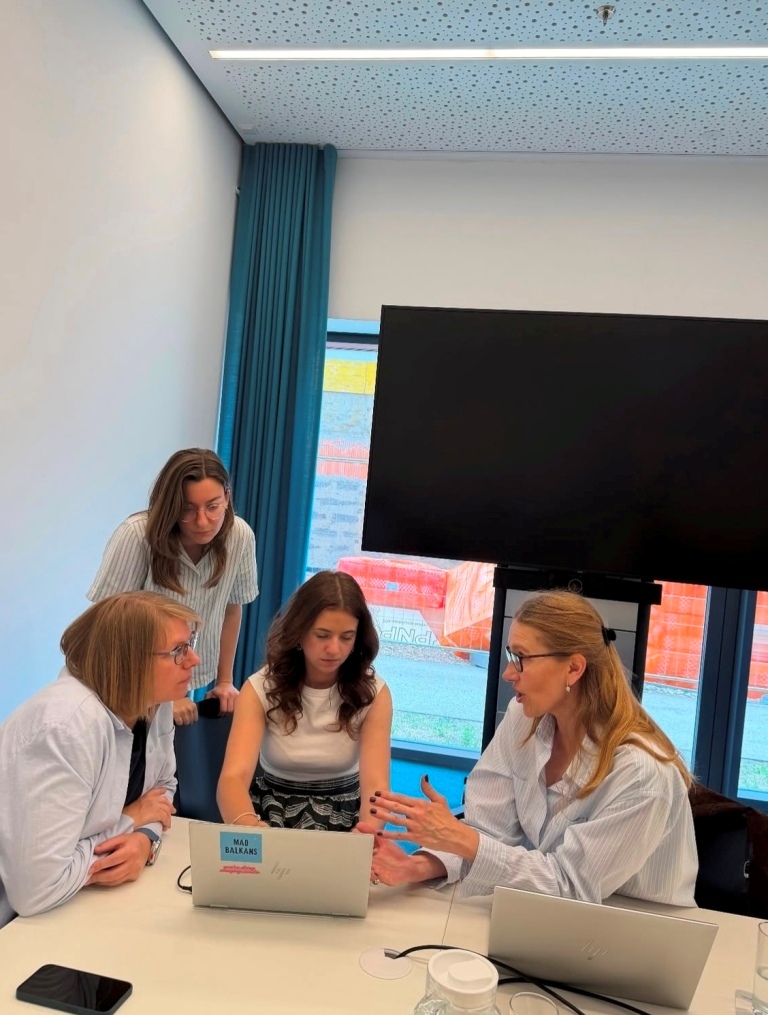
During the workshop in Vienna, partners worked through a series of expert sessions focused on the development of key project activities and the exchange of best practices in the field of mental health in higher education.
The programme covered several thematic areas addressing key aspects of mental health in academic settings, including the recognition of signs and symptoms of severe mental disorders and social cognition; the impact of lifestyle factors on mental health; the role of perfectionism, cognitive rigidity, and anxiety in academic stress; and strategies for managing stress, burnout, crisis situations, and post-traumatic stress disorder.
These activities contribute to the development of the WE-MIND digital platform and educational content, with the aim of strengthening institutional capacities and improving mental health support systems for students and staff in higher education.
Co-funded by the European Union. The views and opinions expressed are those of the authors only and do not necessarily reflect those of the European Union or the European Education and Culture Executive Agency (EACEA). Neither the European Union nor the granting authority can be held responsible for them.