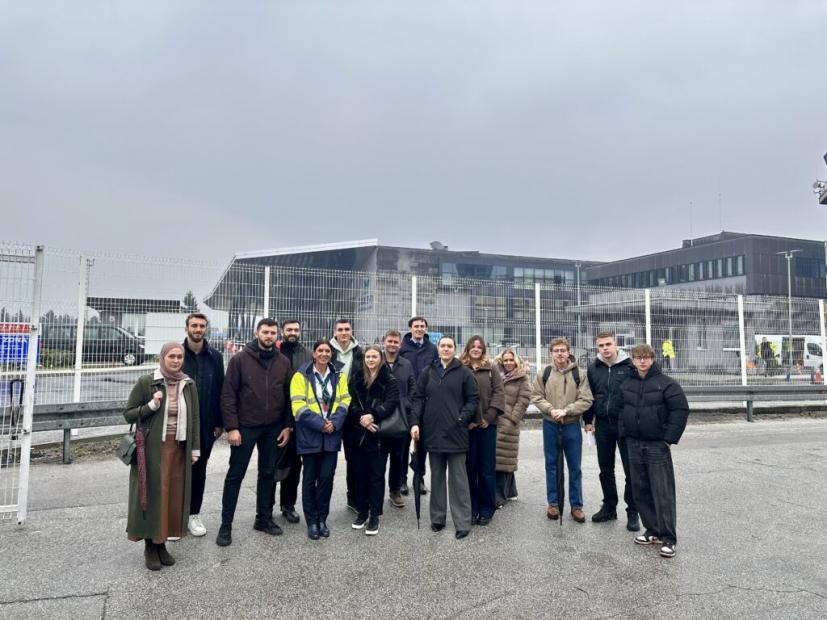


Within the student challenge Supply Chain Challenge 2030 – AS IS / TO BE, students of the Faculty of Traffic and Communications of the University of Sarajevo visited the Cargo Center of Sarajevo International Airport, where they had the opportunity to become acquainted with the organization of air cargo transport and the complex logistics processes that take place behind the scenes of an airport.
The student challenge is being implemented jointly by the Faculty of Traffic and Communications of the University of Sarajevo and GS1 Bosnia and Herzegovina, with the aim of linking academic knowledge with practical experience and real challenges of the economy.
From booking transport to delivery of the shipment
During the expert visit, the students talked with representatives of the Cargo Center about the organization of international air transport, the role of freight forwarders, airlines and general sales agents (GSA), as well as about the procedures for booking transport capacities.
Particular attention was devoted to the Air Waybill (AWB), accompanying documentation and the differences between classic cargo transport and express courier shipments.
The students had the opportunity to learn how international logistics hubs function, why direct air routes are important for the transport of goods and how cooperation between the various participants in the supply chain is organized.
One of the more interesting topics was also the digitalization of business processes. From the former manual recording and booking of shipments to modern information systems, students were able to consider how important technology, timely data exchange and the reliability of information are for the efficiency of air transport.
There was also discussion of the importance of professional training and continuous improvement of employees, bearing in mind the strict security and operational requirements in air transport.
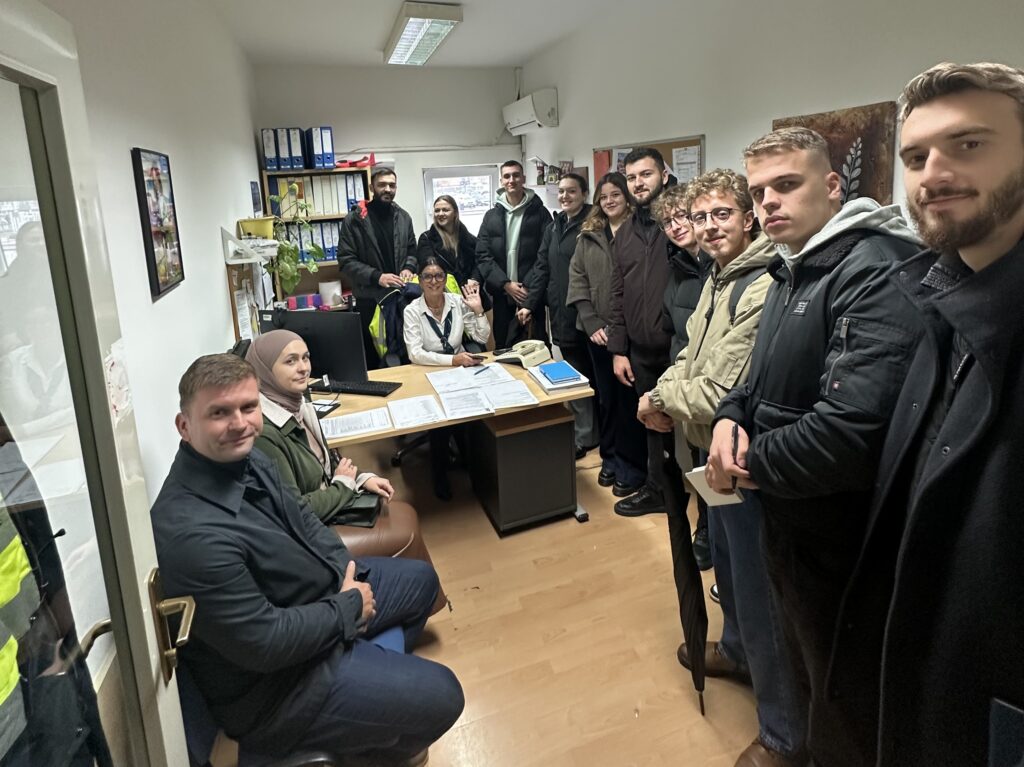
Learning through real business challenges
The visit to Sarajevo International Airport is one of the expert activities through which students get to know the different participants in the supply chain, from manufacturers and distributors to road, rail and air transport operators.
Unlike classic student assignments, Supply Chain Challenge 2030 enables students to talk directly with experts from the economy, analyze existing business processes (AS IS), identify their challenges and propose possible solutions for the development of more efficient, digitalized and sustainable supply chains by 2030 (TO BE).
Particular value is given to the project by the involvement of mentors from the economy, who provide students with expert support in developing their ideas and proposals.
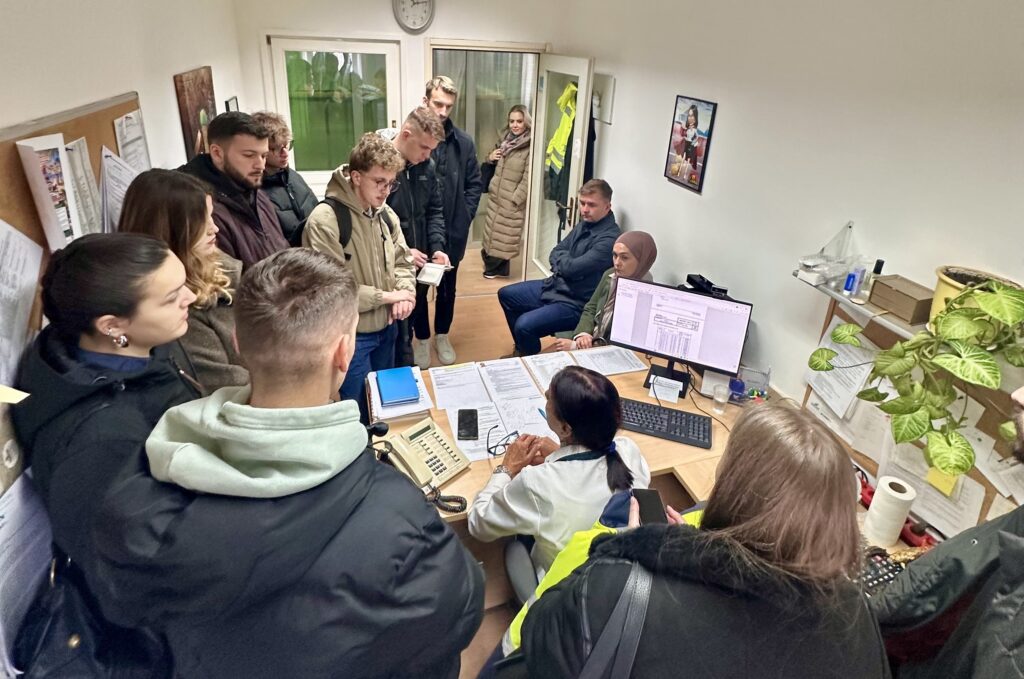
The students will consolidate the knowledge and experience gained in their final papers, which they will present on 17 December 2026, before an expert jury composed of representatives of the academic community and the economy.
For the best student solution, GS1 Bosnia and Herzegovina has provided an award of 5,000 BAM.
The Faculty of Traffic and Communications of the University of Sarajevo thanks the management and employees of Sarajevo International Airport, especially the representatives of the Cargo Center, for their hospitality, the time set aside and their readiness to share their professional knowledge and experience with the students.
This kind of cooperation between the academic community and the economy shows how important it is to enable students to have direct contact with the real business environment. It is precisely through such experiences that future transport and logistics experts develop the knowledge, skills and ideas that can contribute to the development of Bosnia and Herzegovina.