UNSA Veterinary Faculty’s Anatomy Museum: An Inexhaustible Source for Scientific Research
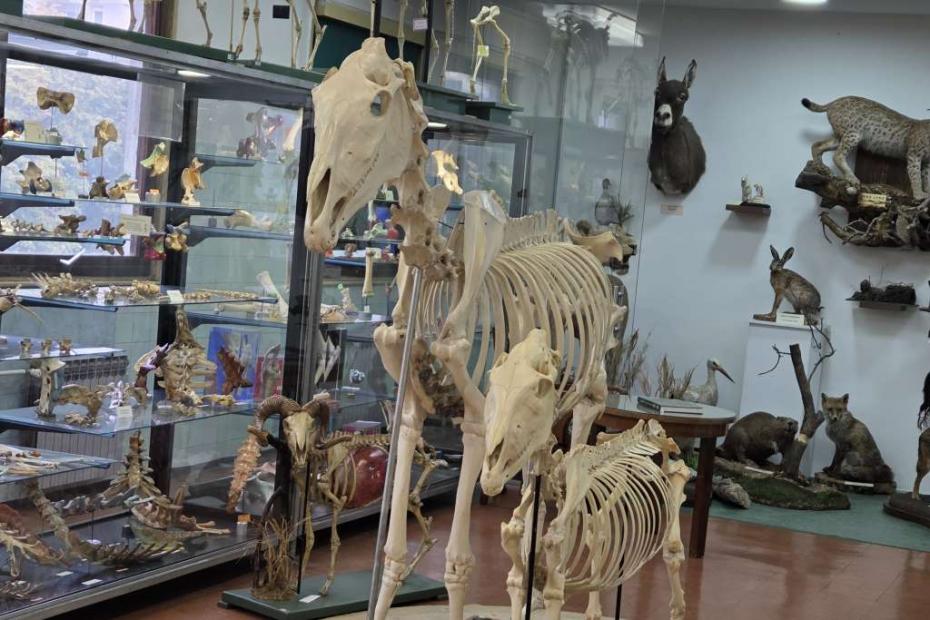


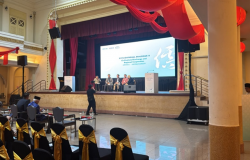
SARAJEVO, 22 July (FENA) – The Faculty of Veterinary Medicine, University of Sarajevo is hosting one of the most significant international gatherings for young researchers in the field of veterinary anatomy, bringing together over 100 participants from 20 European countries in Sarajevo.
The event in question is the 13th Meeting of the Young Generation of Veterinary Anatomists (YGVA 2026); its official opening is scheduled for tomorrow, 23 July , and it will run until 24 July. Organizing this prestigious international event serves as a mark of recognition for the Faculty of Veterinary Medicine and confirms its standing within the European academic community. This year’s congress holds special significance as it coincides with the 70th anniversary of the Faculty’s Anatomy Museum—one of the most important educational and scientific collections in Bosnia and Herzegovina.
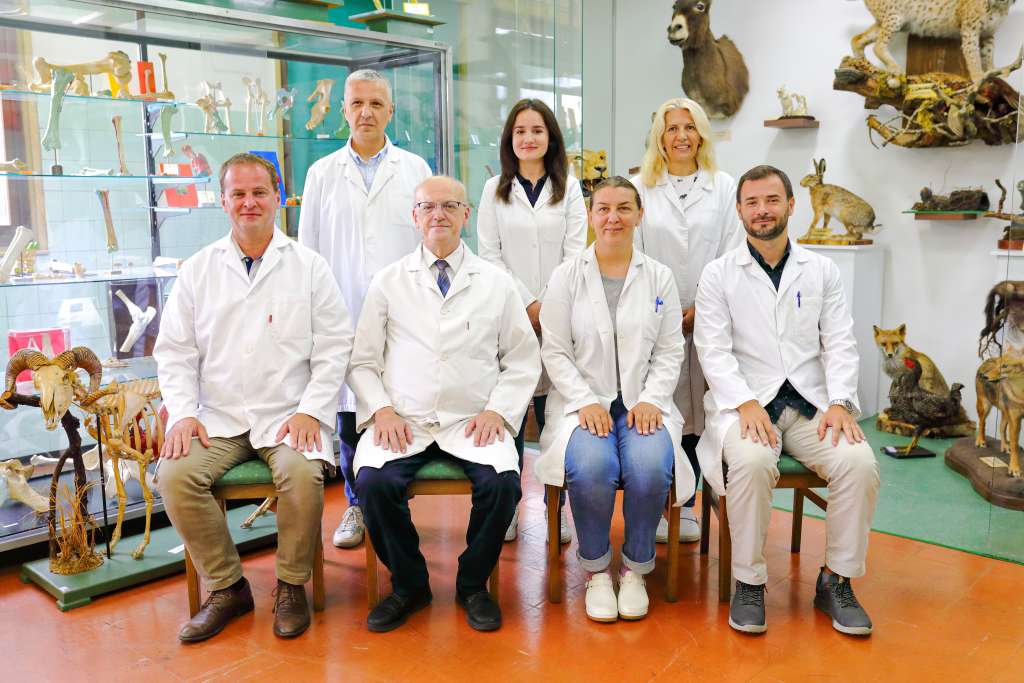
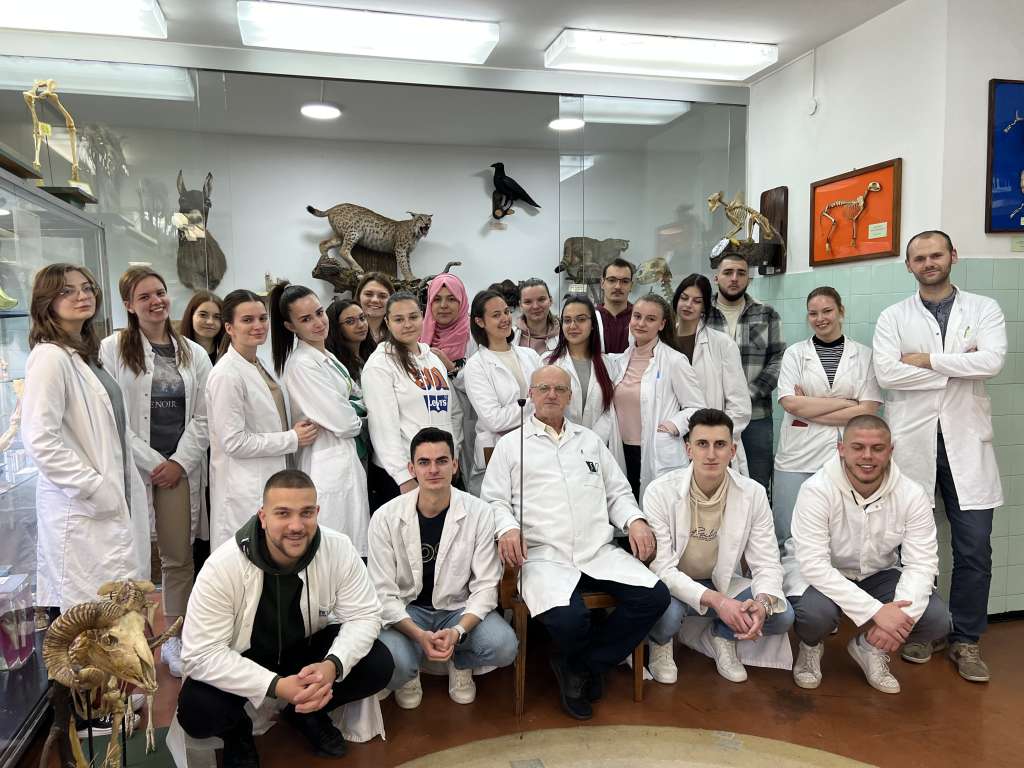
The story of the Faculty of Veterinary Medicine’s Anatomy Museum began in 1956, when the Head of the Department of Anatomy, Prof. Dr. Milan Bevandić, launched the initiative and spearheaded the initial efforts to establish the museum. Later, Prof. Dr. Ibrahim Arnautović took over the work, shaping the museum into its current form and layout. Naturally, museum work is an ongoing collective effort passed down from professors to younger generations. Today, these activities are led by Prof. Dr. Rizah Avdić, Prof. Dr. Faruk Tandir, and Prof. Dr. Nedžad Hadžiomerović.
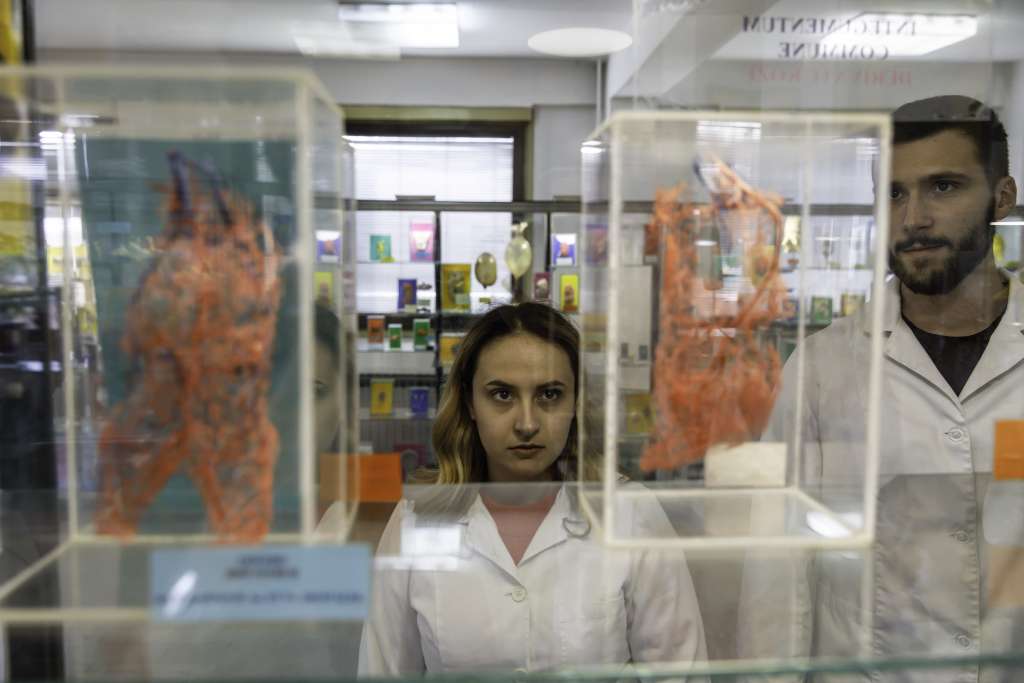
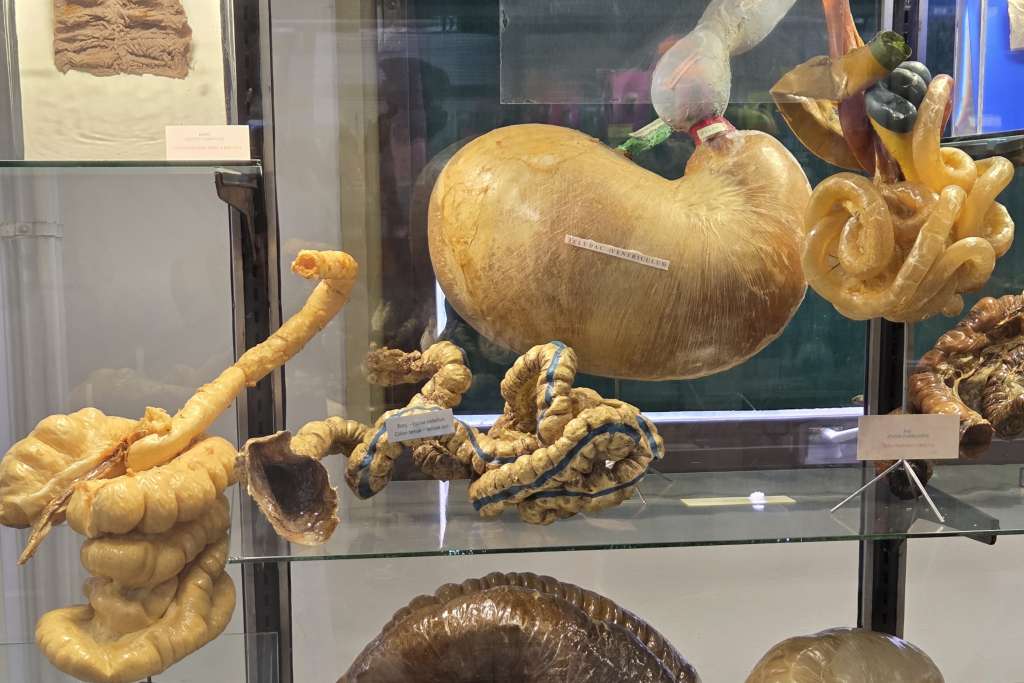
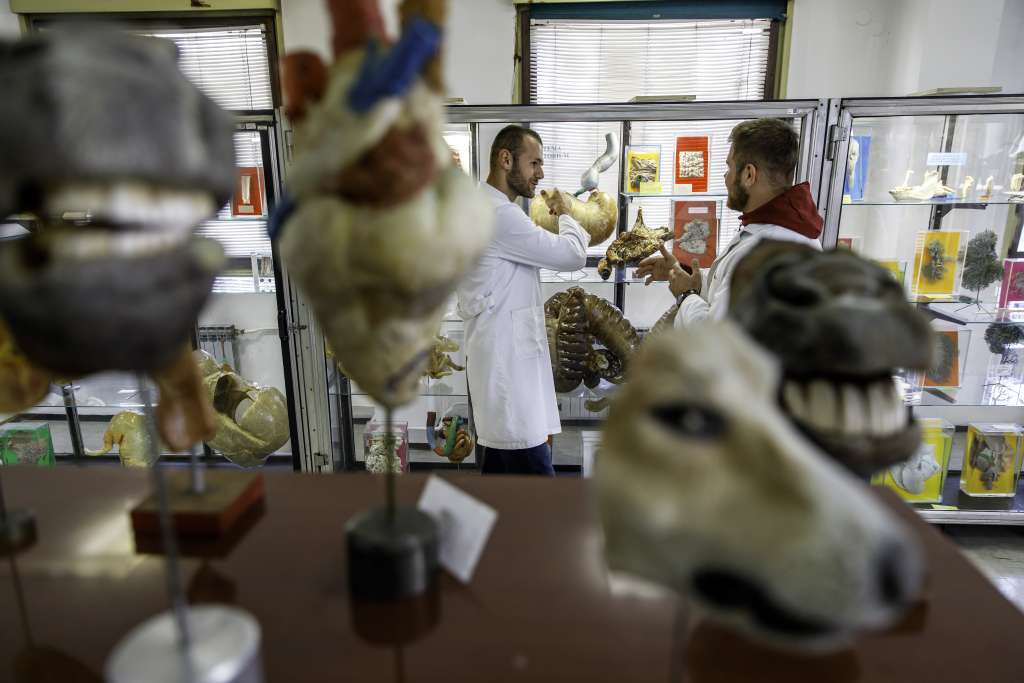
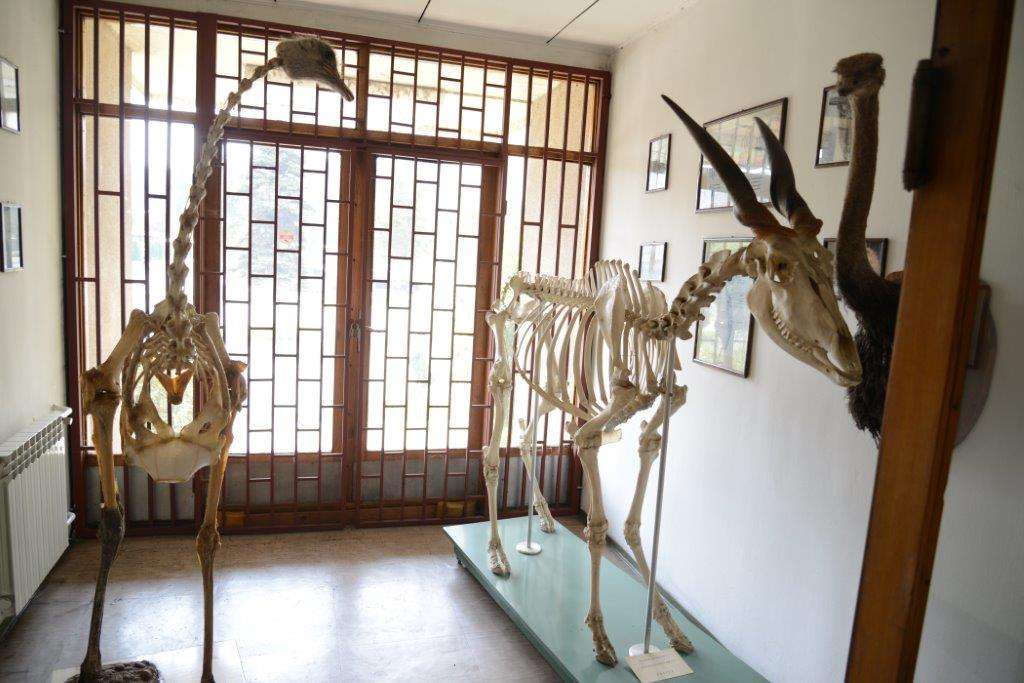
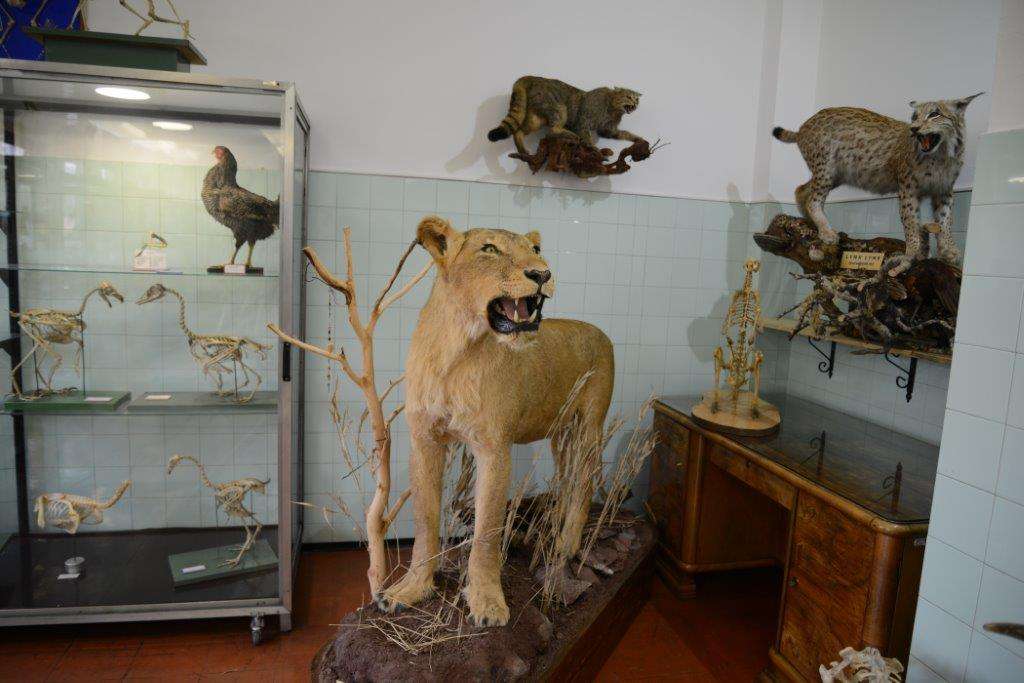
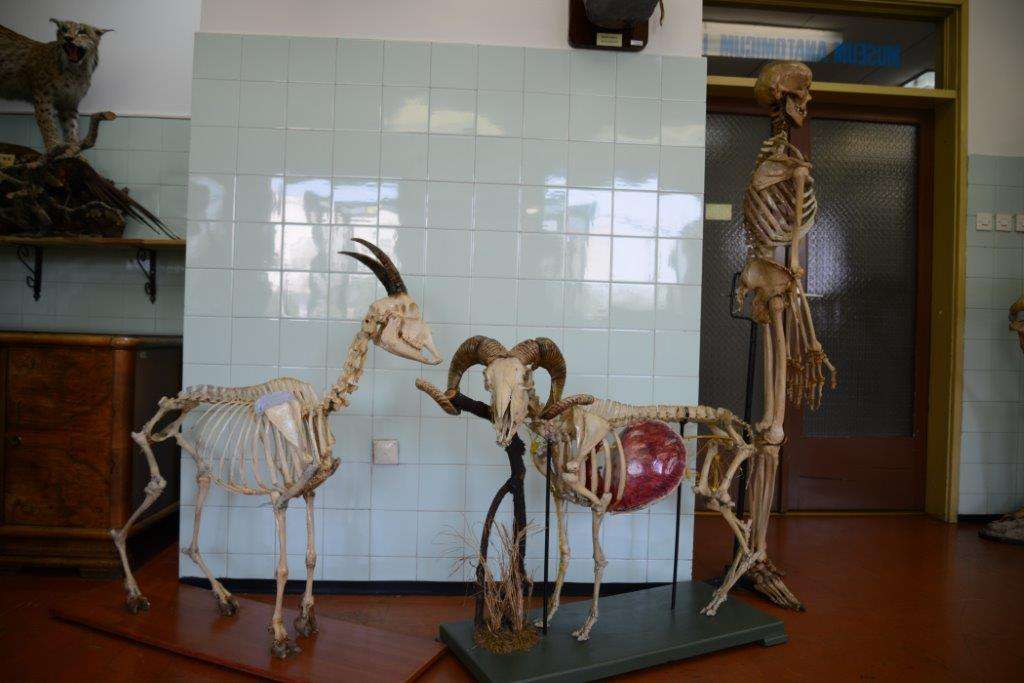
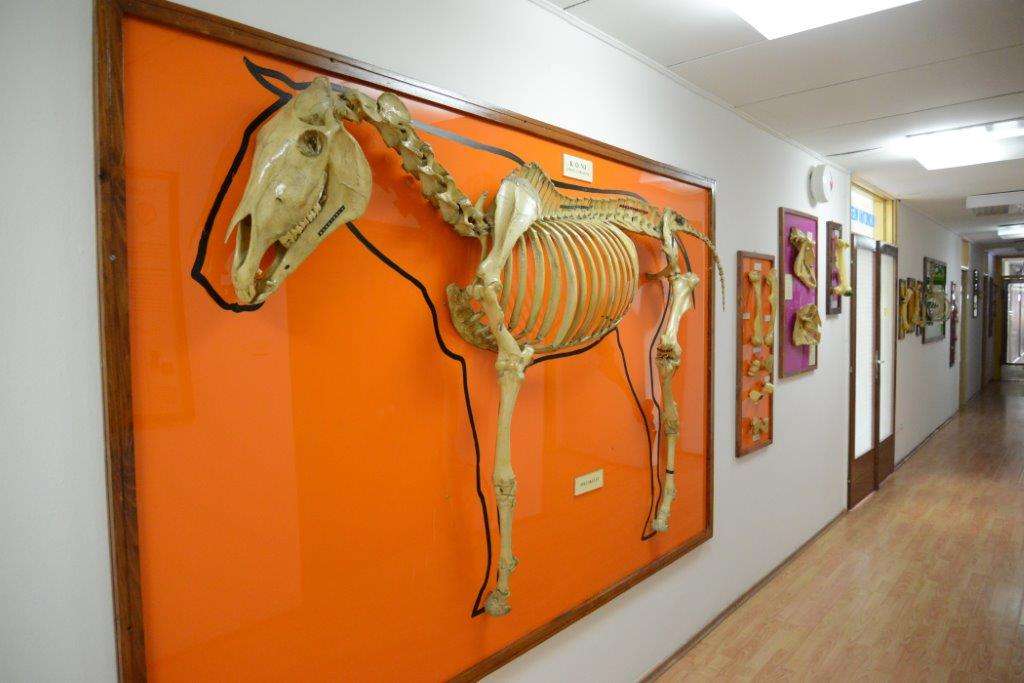
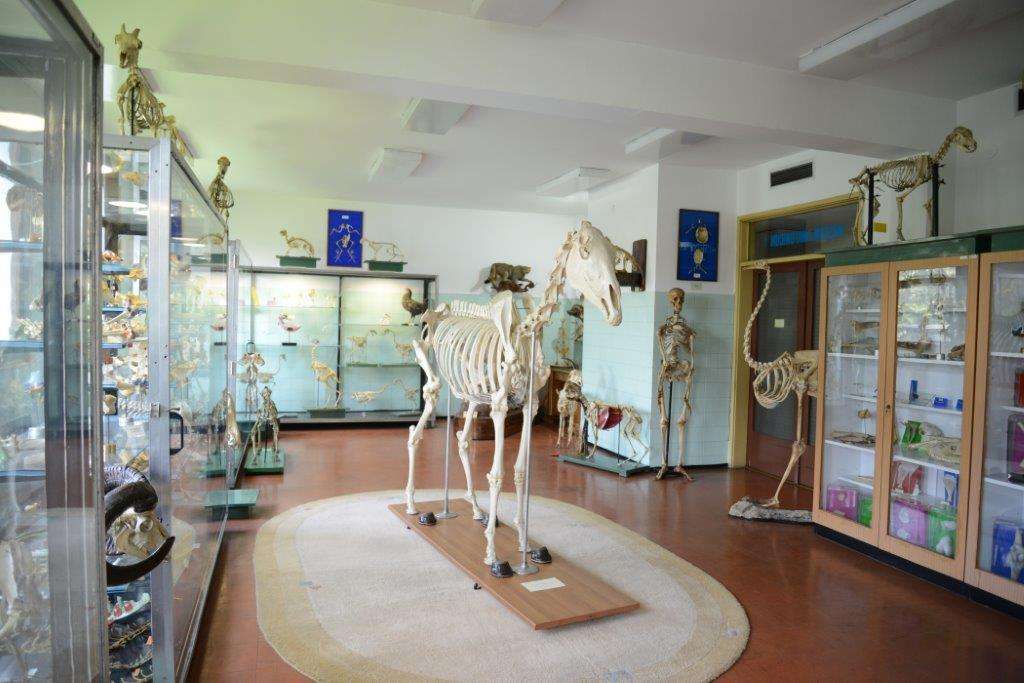
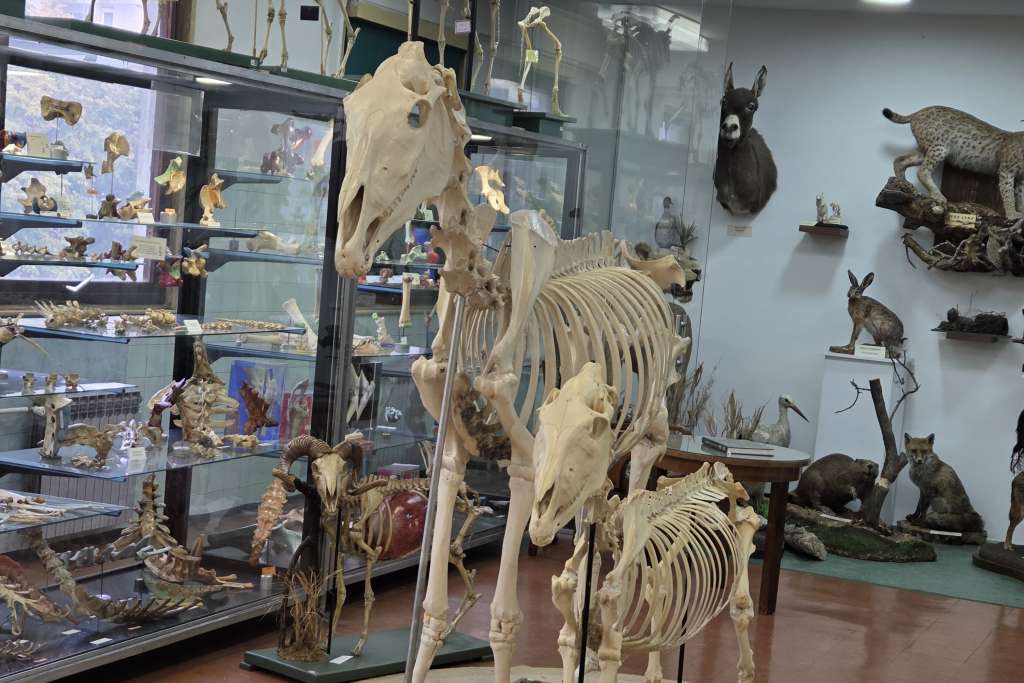
The goal behind establishing the museum was to enhance instruction and facilitate student learning through the display of anatomical models. Marking its 70th anniversary, this museum is a unique institution in Bosnia and Herzegovina and the wider region. It offers a wealth of knowledge about the animal world, ensuring that every visitor leaves enriched by a new and exceptional experience. Most of the wild and exotic animal skeletons originated from the Pionirska Dolina zoo, while a smaller number arrived through other means. For instance, the collection includes the skeleton of an English horse that once belonged to the Butmir hippodrome. Visitors can view a mounted lynx—killed by poachers in Fojnica a few years ago—as well as a Bengal tiger that was once a pet on a private estate in Vitez, a mouflon, an antelope, monkeys, ostriches, dogs, horses, tortoises, and snakes.
In addition to animal specimens, the museum displays a human skeleton used for the comparative study of human and animal anatomy.
The Anatomy Museum has evolved and expanded throughout its history. During the aggression against Bosnia and Herzegovina, it suffered extensive damage—both in terms of material infrastructure and the loss of its valuable collection of anatomical specimens.
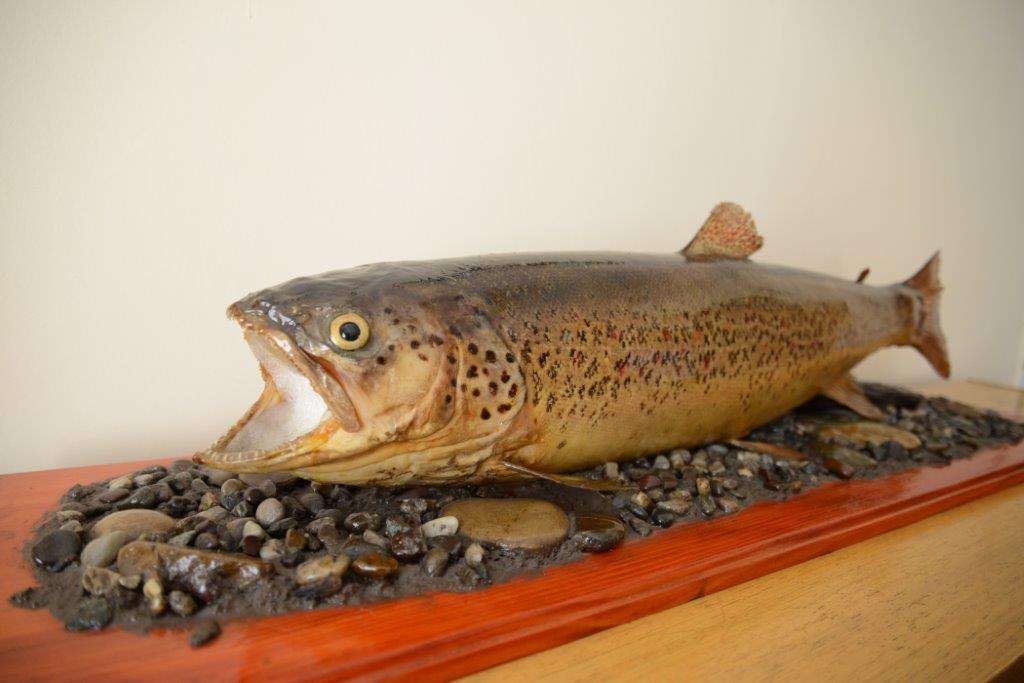
- Intensive renovation of the museum and restoration of the exhibits began in 1999. During this period, a new collection of dermoplastic specimens (taxidermy) featuring domestic and wild animals was created, significantly enriching the museum's display. Today, the museum houses over 800 anatomical specimens, the result of many years of work by the Department of Anatomy. "I would particularly like to emphasize that preparing each specimen requires an expert, scientifically grounded approach, and the production process takes anywhere from three to six months on average," said Prof. Dr. Rizah Avdić, the professor responsible for the Anatomy of Domestic Animals course, speaking to FENA.
Avdić notes that it is difficult to single out just one exhibit as the most significant, as each one has its own story—from how it came to be part of the collection to the reasons why it was selected for the museum display.
“The Anatomy Museum represents an inexhaustible resource for scientific research. Each specimen offers the opportunity for new insights and opens the door to further research. It is particularly encouraging that, in recent years, students are increasingly using the museum's materials for their undergraduate, master's, and doctoral theses,” Avdić said.
The museum is open to the public and accessible to all interested visitors upon prior notice and arrangement with the teaching staff of the Department of Anatomy. In addition to veterinary medicine students, the museum is regularly visited by high school students, students from other faculties, experts from various fields, and numerous members of the public interested in natural sciences and veterinary medicine. Visitors are particularly intrigued by the rare anatomical specimens and dermoplastic mounts of domestic and wild animals, which constitute a unique collection in Bosnia and Herzegovina.
Text and photo: FENA (https://fena.ba/article/1689257/anatomski-muzej-veterinarskog-fakulteta-unsa-neiscrpan-izvor-za-naucnoistrazivacki-rad)