Program “Responsibility for the Future” Presented – 30 Annivesrary of the Genocide Against Bosniaks in and around Srebrenica and Dayton Peace Agreement Signing
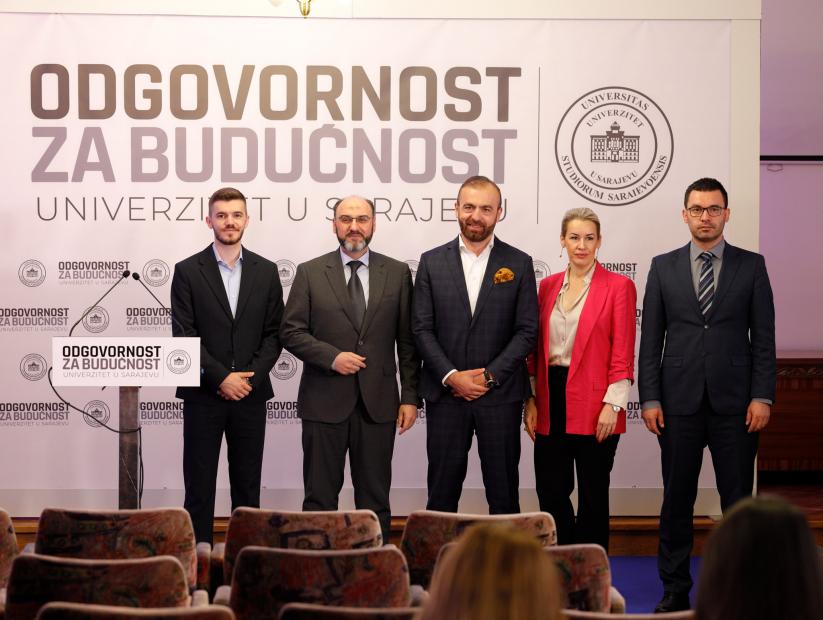


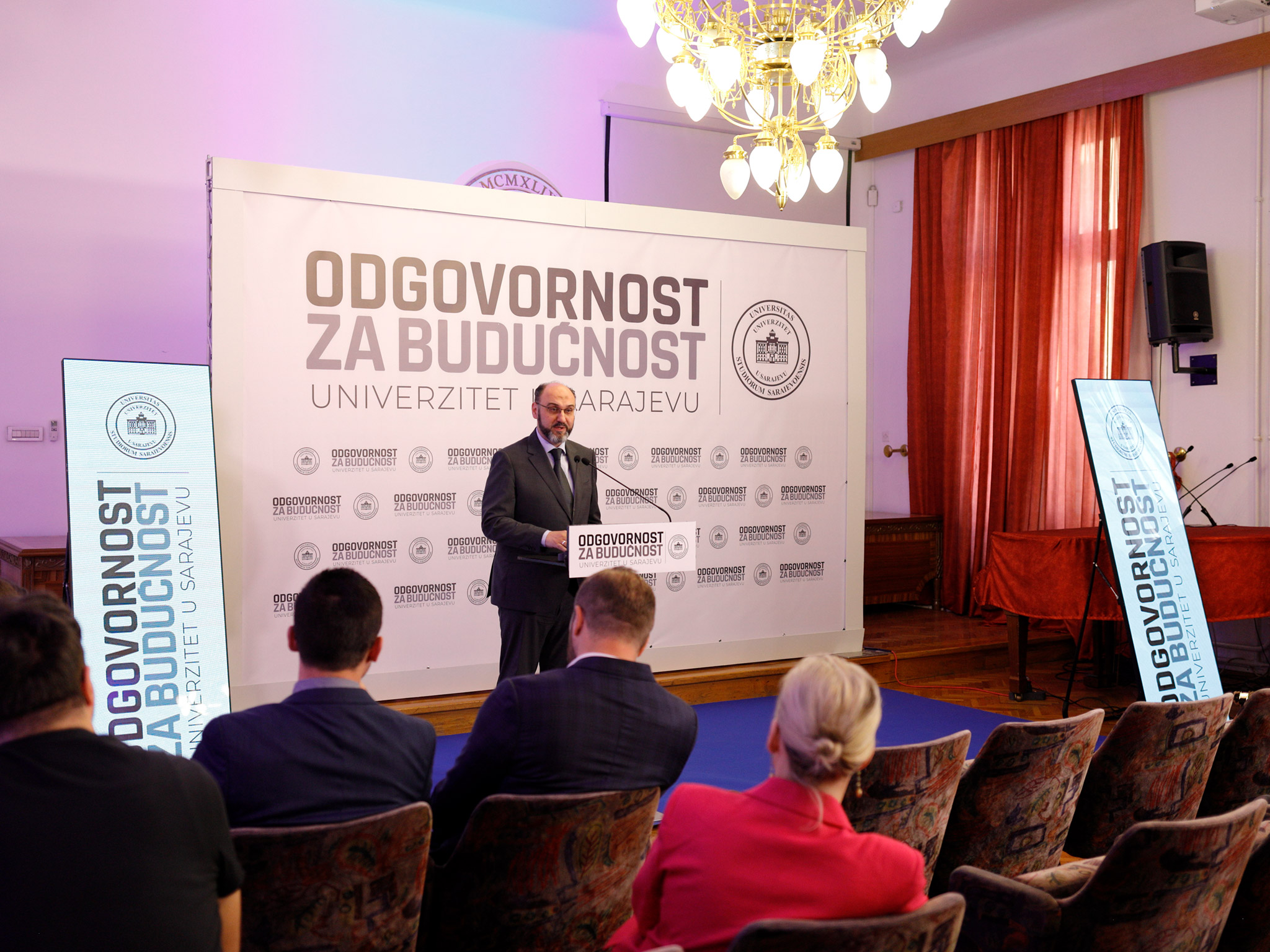
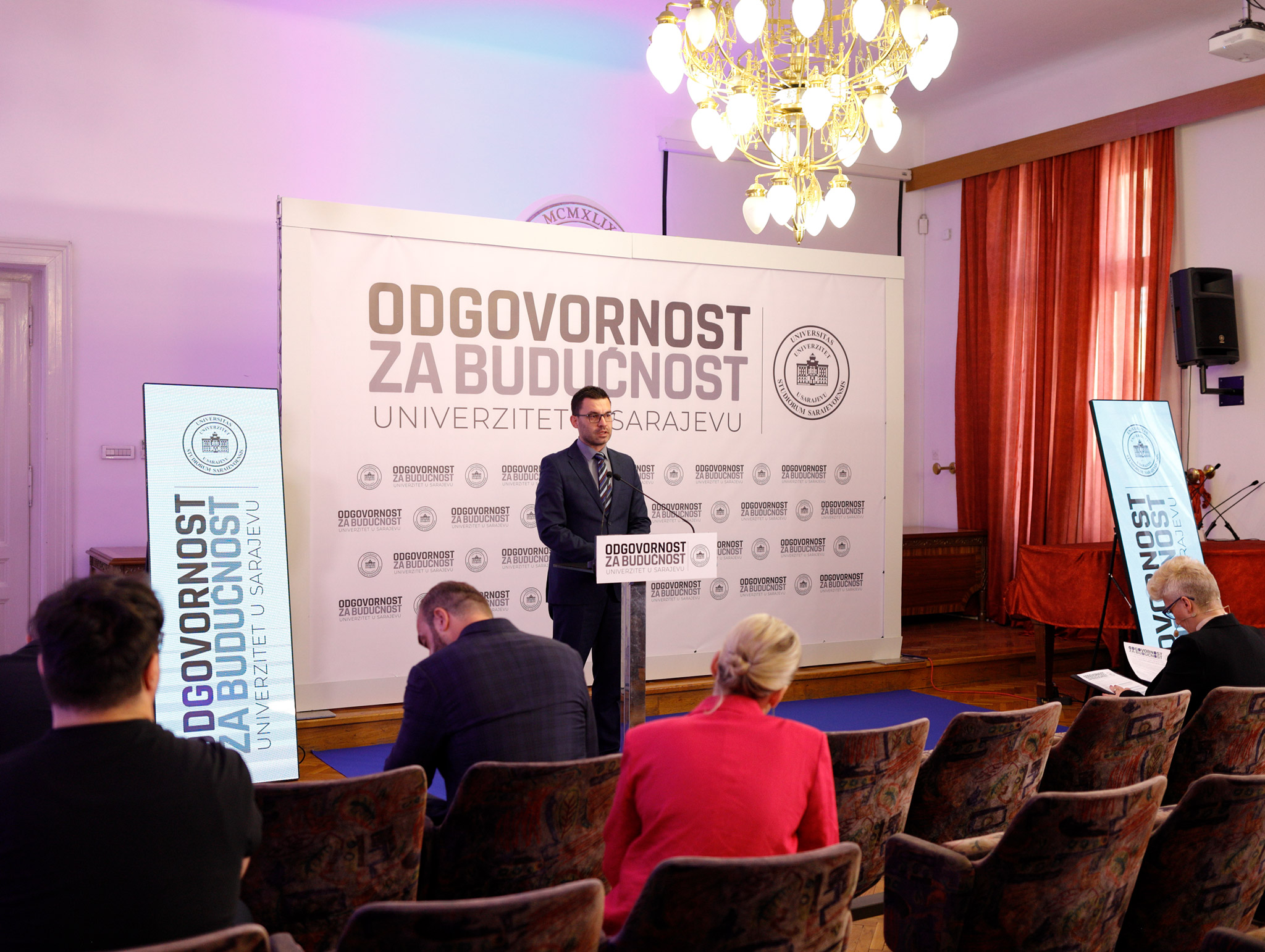
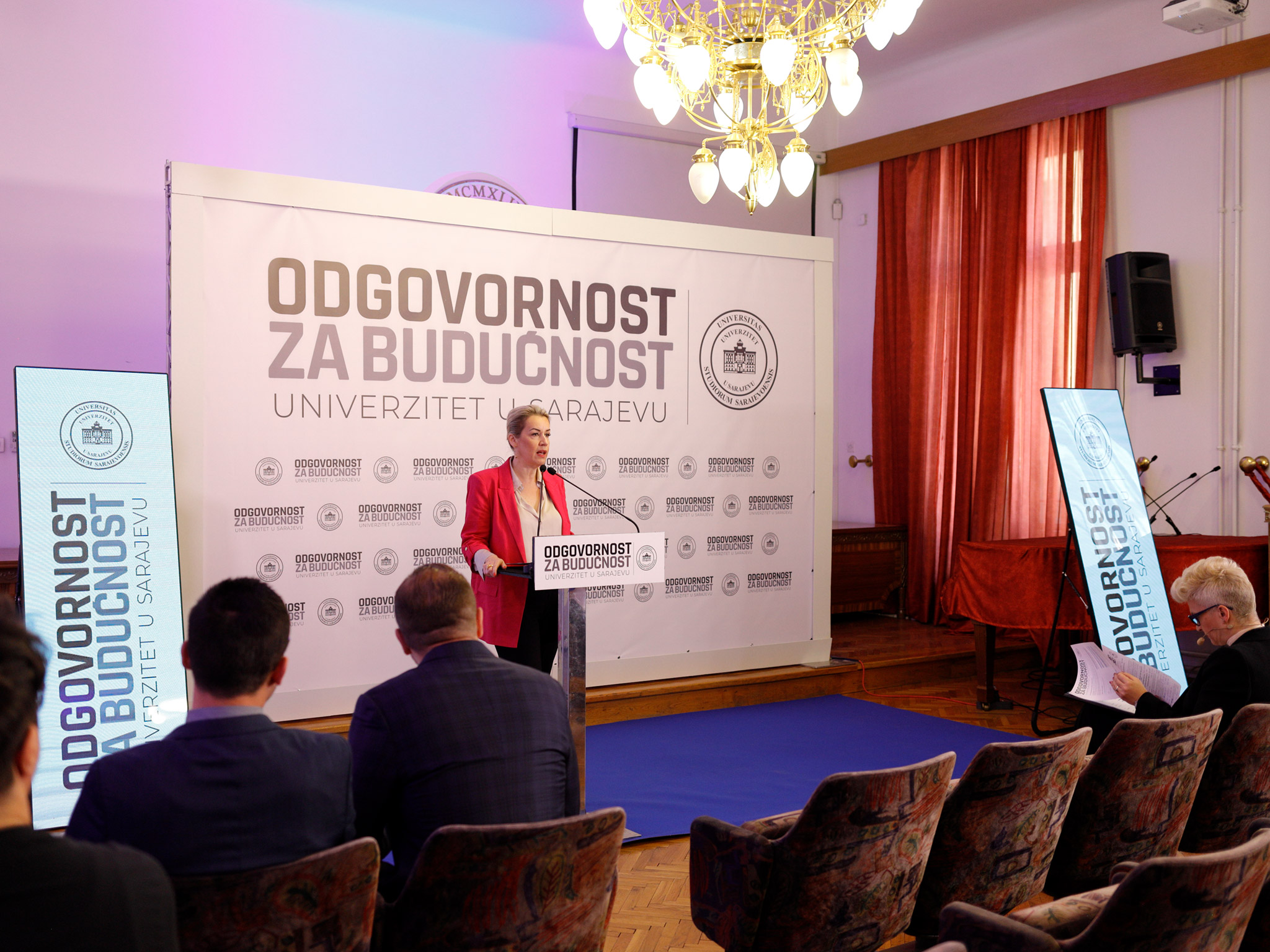
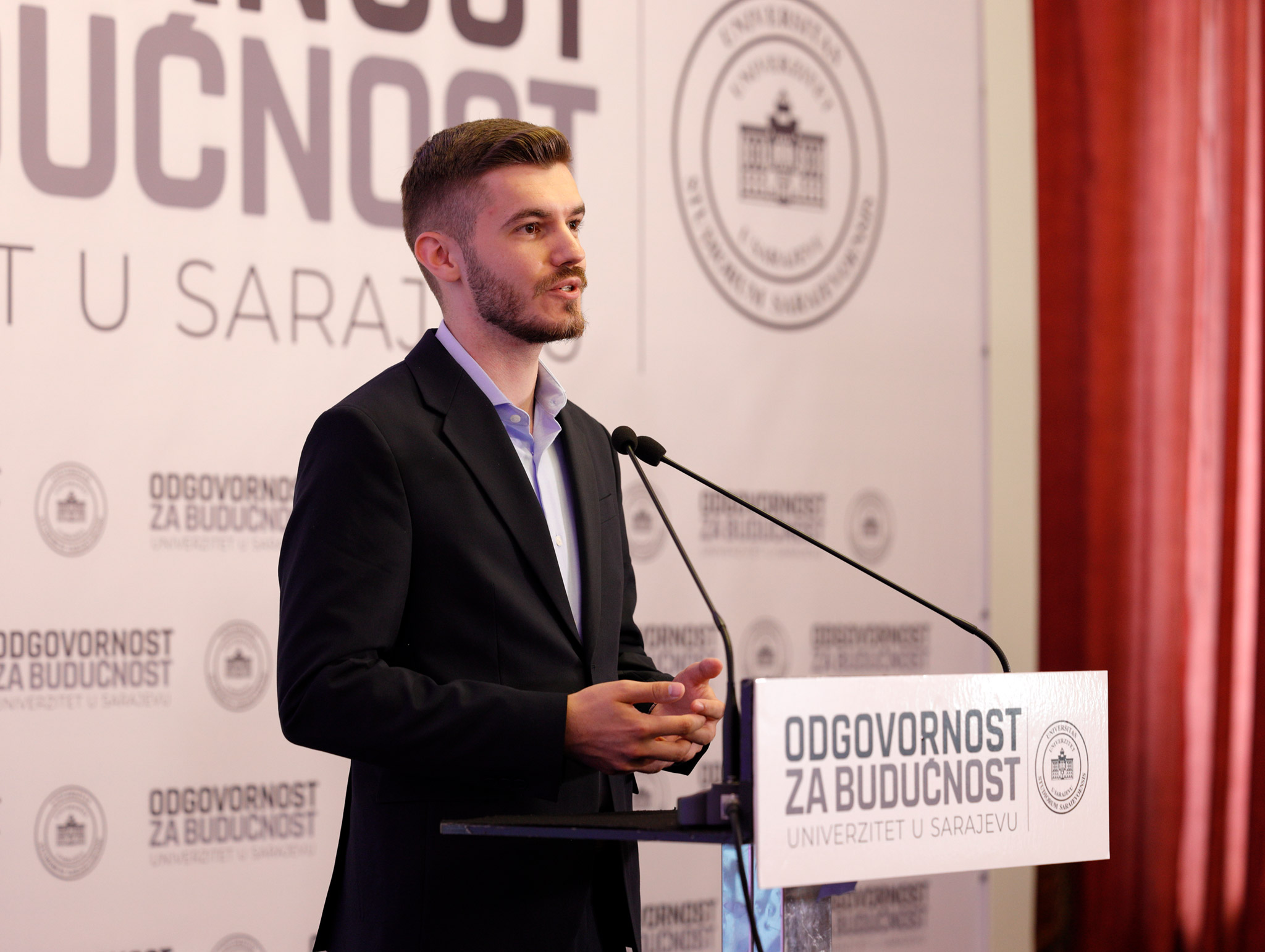
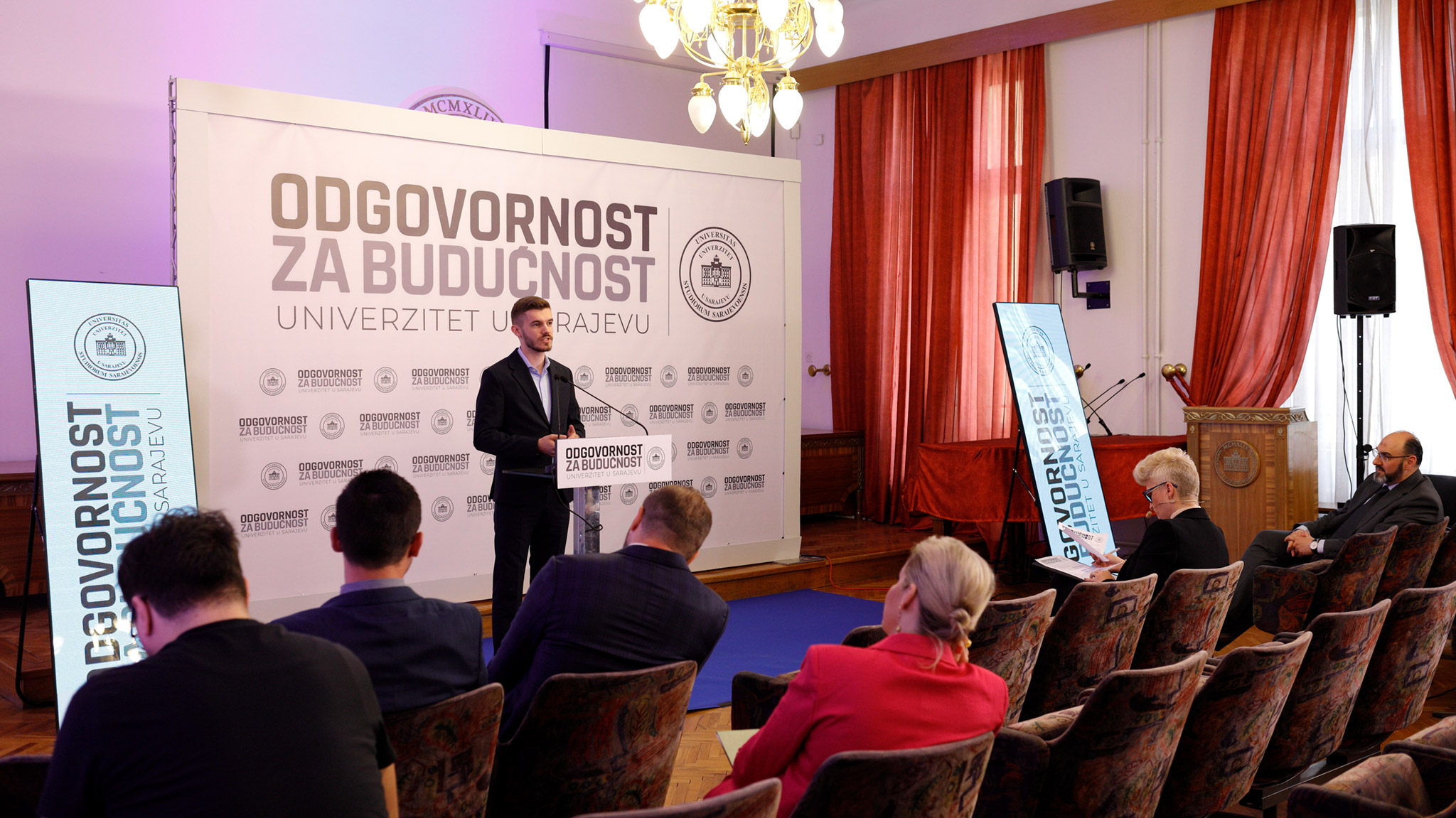
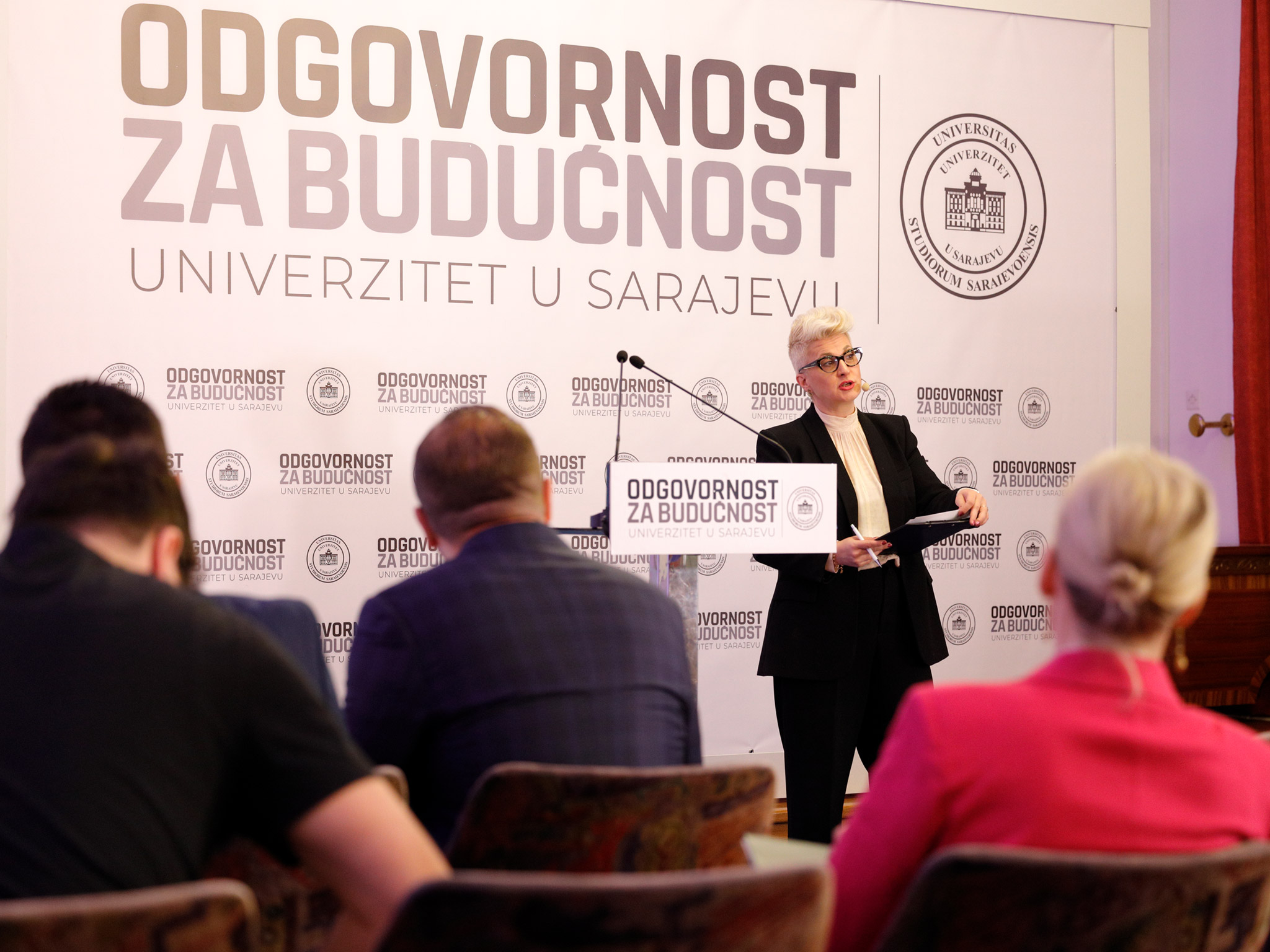
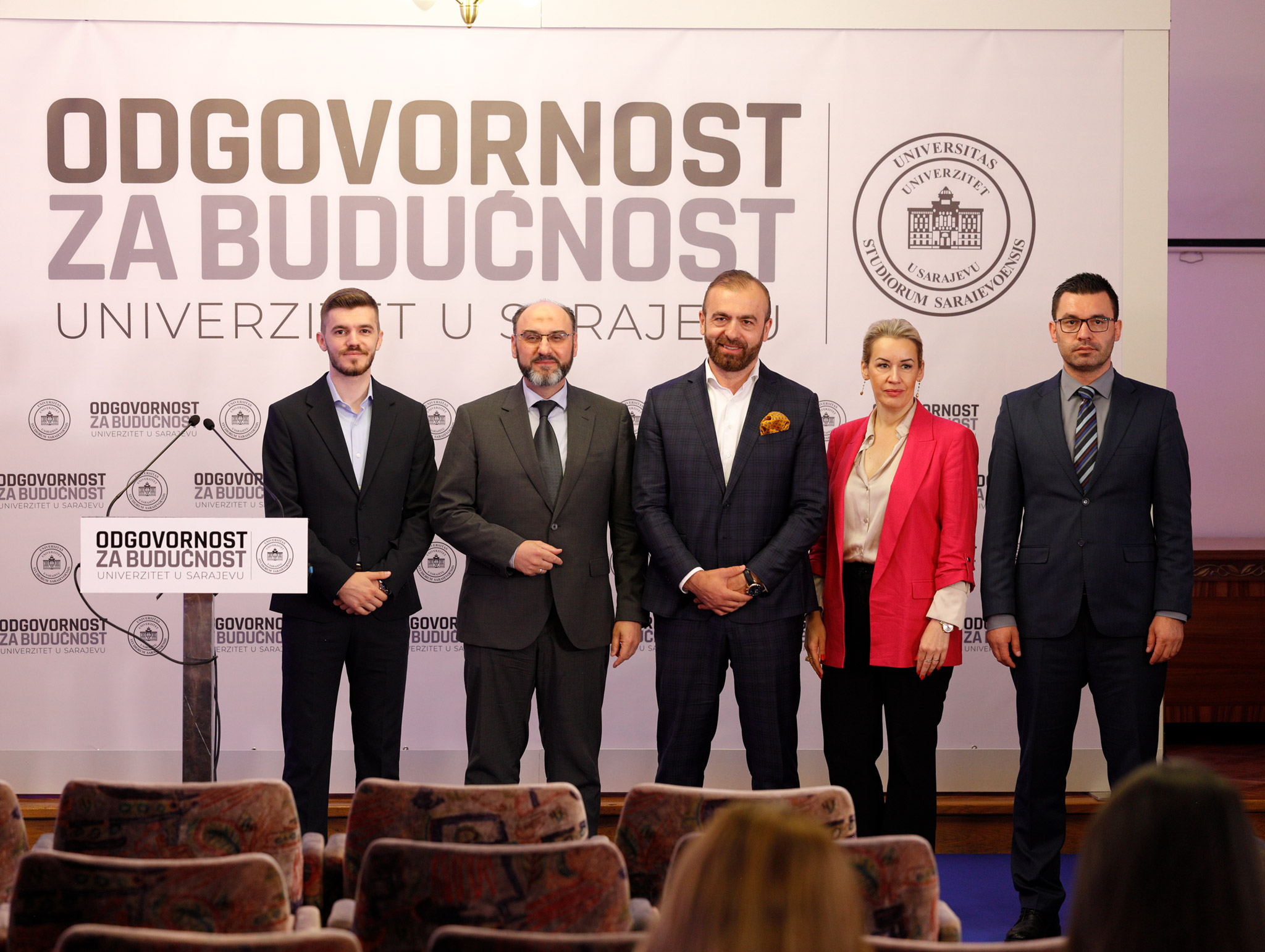
Today, at the premises of the Rectorate of the University of Sarajevo, the program “Responsibility for the Future” was introduced. This year, through more than twenty different cultural and academic activities, it will commemorate 30 years since the genocide against Bosniaks in and around Srebrenica, as well as 30 years since the signing of the Dayton Peace Agreement, which serves as the General Framework for Peace in Bosnia and Herzegovina. These two events represent key moments in the recent history of Bosnia and Herzegovina, yet many questions about these events remain unanswered and require engagement from the scientific community. As the oldest and most significant educational and scientific institution in Bosnia and Herzegovina, the University of Sarajevo bears a crucial responsibility to promote objective and thorough scientific research on these issues, with the aim of educating new generations about their importance.
“The 'Responsibility for the Future' program is conceived as an academic response to the key historical turning points that still shape the political, social, and ethical reality of Bosnia and Herzegovina. Through this program, we send a clear message: denial of crimes, historical revisionism, and politicization of the past are unacceptable, neither as rhetorical devices nor as social realities. The university remains a space where fundamental societal values are defended with knowledge and integrity,” stated Prof. Dr. Tarik Zaimović, Rector of the University of Sarajevo and Chair of the Coordinating Committee.
“The themes that will be addressed at the conference in early July 2025—ranging from 'culture of memory,' responsibility of the international community, and denial of genocide to youth education, the role of art, and comparative analyses—are not merely theoretical questions. They also concern our contemporary social response to threats of revisionism, silence, and forgetting,” emphasized Dr. Muamer Džananović, Director of the Institute for the Investigation of Crimes Against Humanity and International Law at the University of Sarajevo, and Chair of the Scientific Committee.
The conference in November 2025 will not be just another formal event marking the anniversary of the Dayton Peace Agreement. “Our main goal is to demystify Dayton: critically question the myths surrounding this agreement, as well as the reality of its implementation. By gathering the most relevant experts, witnesses of the peace process, civil society representatives, and young generations, we aim to create space for new, inclusive visions for the future of Bosnia and Herzegovina,” said Prof. Dr. Sead Turčalo, Dean of the Faculty of Political Sciences at the University of Sarajevo and Chair of the Organizing Committee.
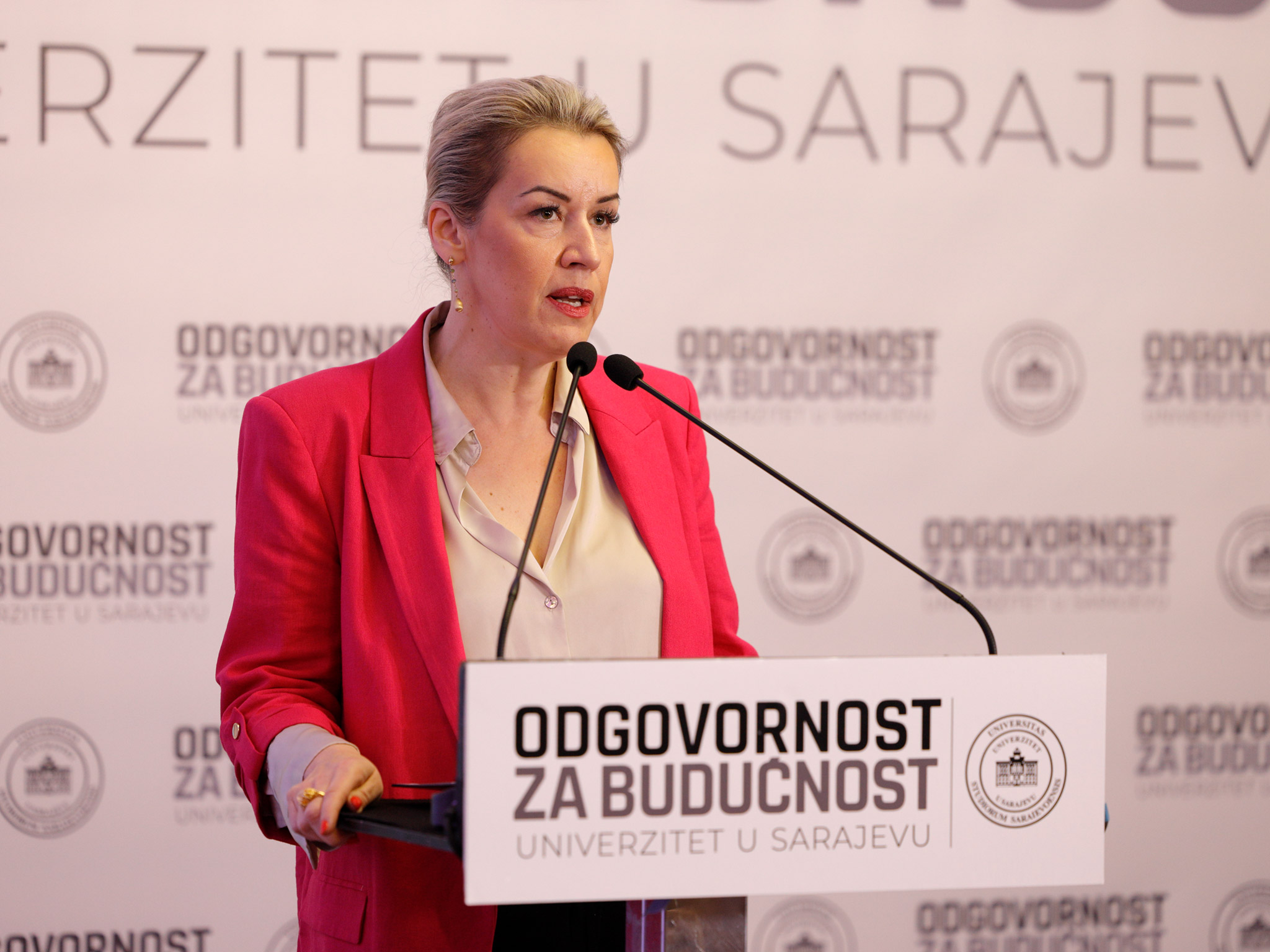
“The scientific research program of the conference in July and November will be complemented by an artistic program, which will be realized in two ways: through the university’s own artistic productions involving professors from all three art academies, and through collaborations with cultural institutions of Canton Sarajevo and Bosnia and Herzegovina, such as the Sarajevo War Theatre, Warm Foundation, Sarajevo Philharmonic Orchestra, National Theatre Sarajevo, Kino Meeting Point, with the participation of the country’s most eminent artists,” explained Prof. Ms. Arma Tanović Branković, Vice-Rector for Art, Artistic Research, Culture, and Sports at the University of Sarajevo, and Member of the Artistic Board.
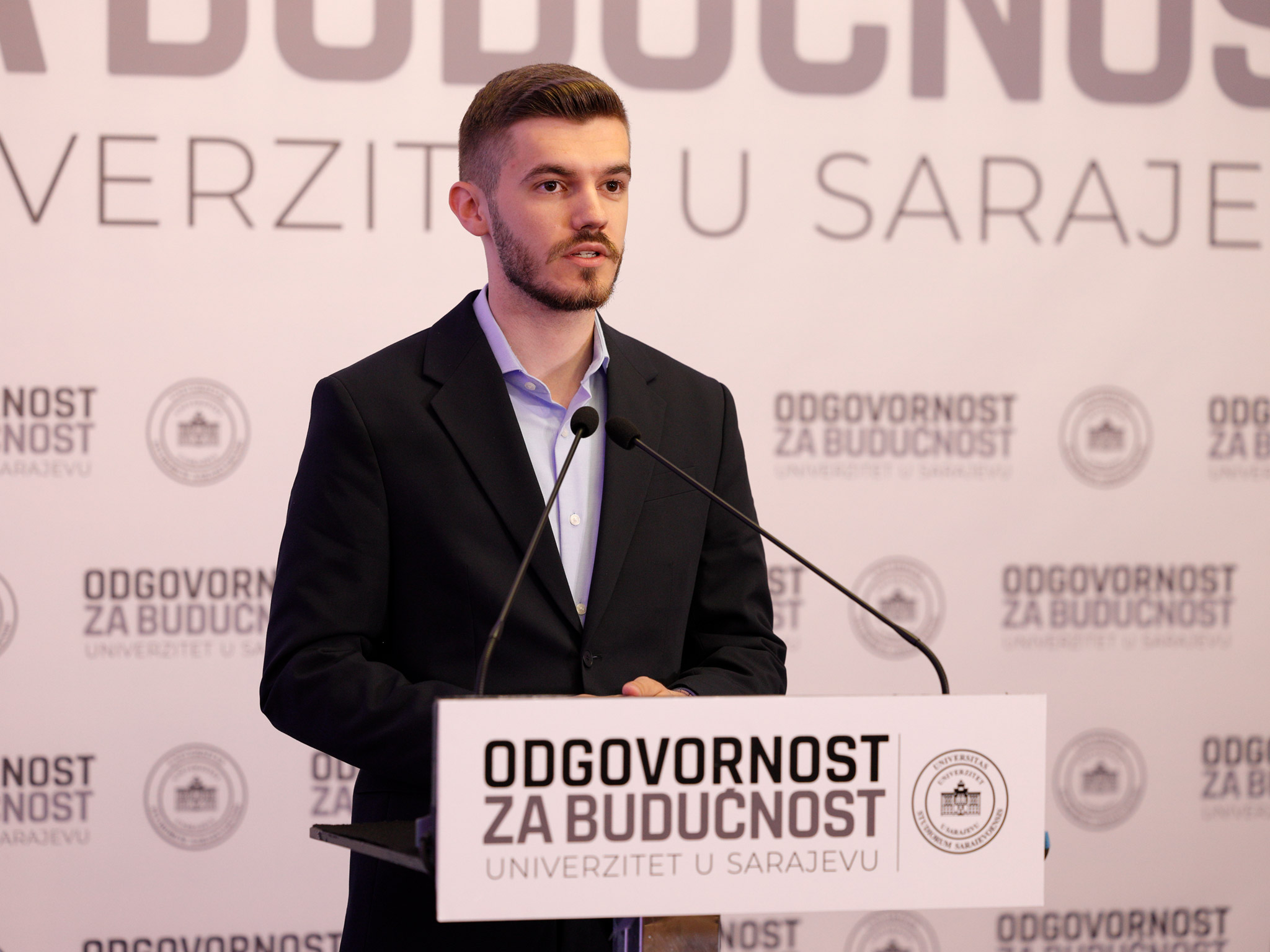
“September will see Sarajevo become a European university center, as the Student Parliament of the University of Sarajevo, through the EU Peace Alliance, is organizing a major event—the signing of the Student Declaration for Peace, with numerous signatories including students from the region, Europe, and the world. The signing will take place at the City Hall, with the presence of high officials from the EU, the region, and Bosnia and Herzegovina,” clarified Imran Pašalić, President of the Student Parliament of the University of Sarajevo. He added that through this initiative, students will refocus attention on peace in its broadest sense, especially at a time when global society needs it most.
Photo: Vanja Čerimagić